

“But when markets are falling and risk has been beaten out of the system, people are fearful.” All for one During the crisis, Cambridge committed to a policy of making no lay-offs for cost considerations. People were let go for poor performance, but to prevent retrenchments throughout the business, executives chose to take pay cuts. As financial companies shed staff across the US, Cambridge held a firm-wide conference call to deliver the message. “We had a salary and a hiring freeze, but the fact that we weren’t laying people off allowed people to breathe and to focus on their work,” Urie says. “Senior executives at the firm agreed to take a hit so we didn’t have to sacrifice the talent pool,” she says. “And during that period of time, clients needed us more, and to slice our talent pool was counterintuitive.” Also, the firm anticipated that when the recovery began, demand for services would increase. “It takes time to train people. We wanted people available as we were working our way out of it.” There were cultural and business reasons why this policy was enforced. “We did the same in the early 1990s recession.”




Alternatives
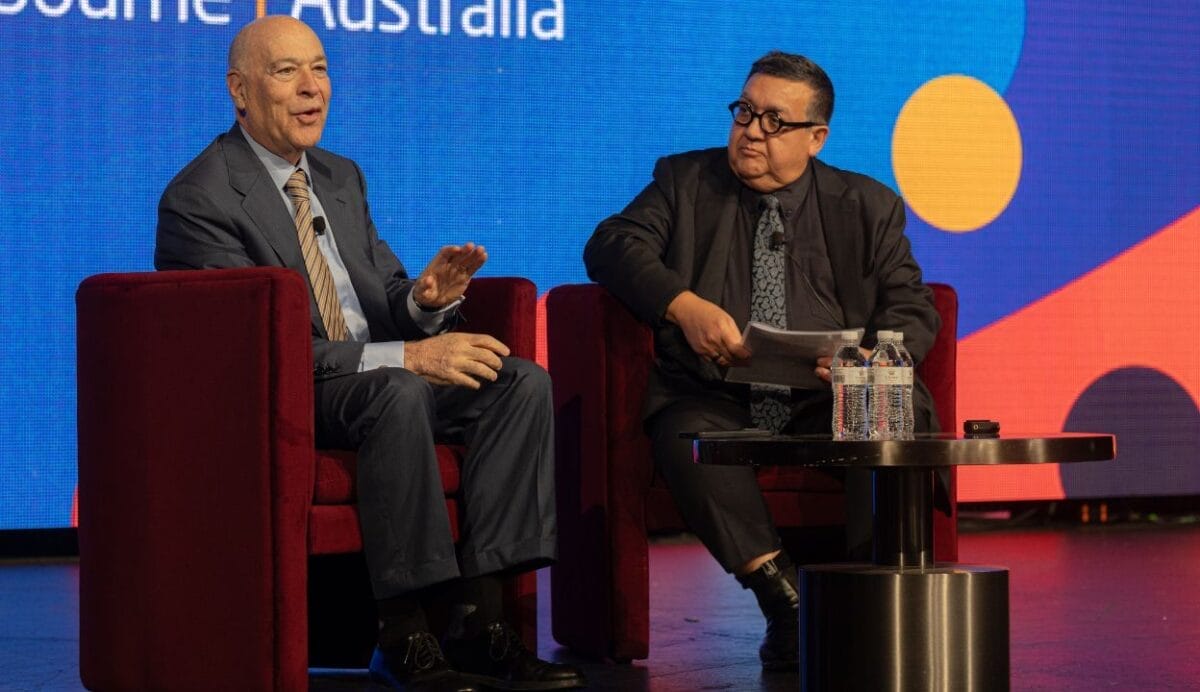
The chief investment officer of the $150 billion industry super fund says that Hostplus’ portfolio will weather the ongoing downturn in software companies and that moves by a number of large private credit managers to gate their funds are a result of the asset class being offered to retail investors who should not have assumed the funds would be liquid enough to get money out when everybody else is trying to do the same.












Leave a Comment
You must be logged in to post a comment.