

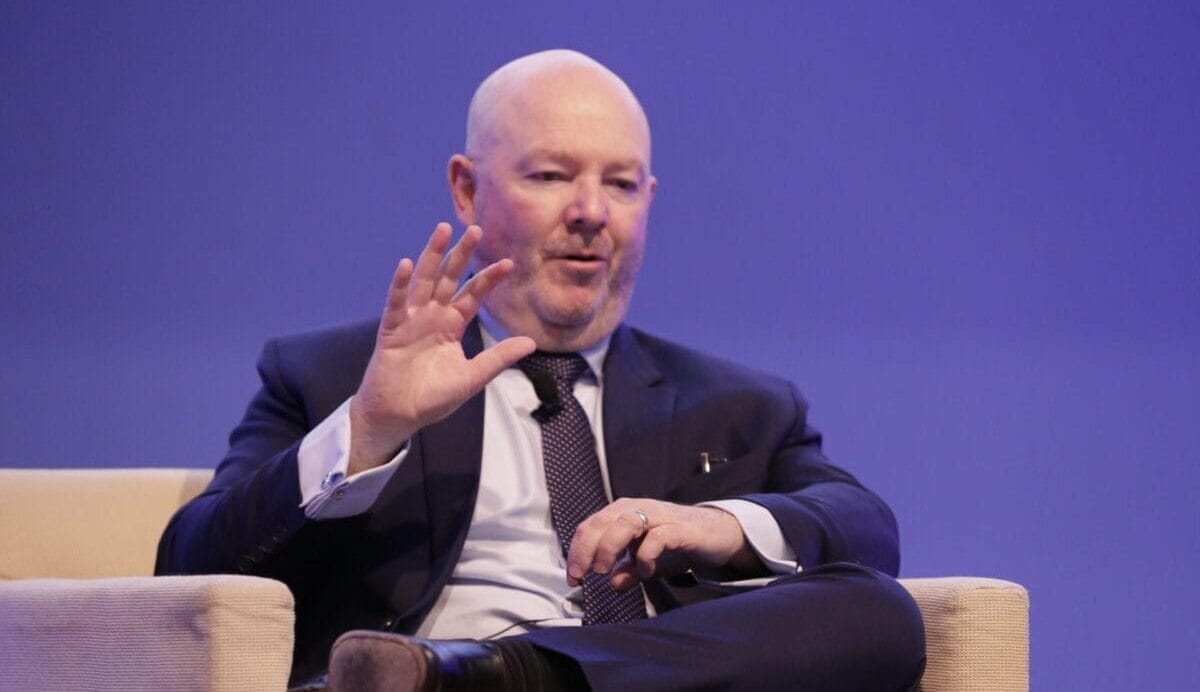
At the same time, and with the Australian office playing a key role in product development, it has also developed a range of long-short equity and other alpha-seeking strategies. A new development, consummated this year, is the provision of a traditional active global equities strategy, through the acquisition of Bank of Ireland’s funds management arm. Hooley says the firm is committed to its quantitative roots as a manager, but will “selectively introduce different styles to address client needs”. Quantitative managers had a difficult time in the early part of the financial crisis, partly because of the weight of money in their strategies and the fact that many managers, particularly in the US, were using similar strategies. Hooley says:
“We had a 100- year storm. We went through a difficult cycle and we will be smarter for it. We’re comfortable in our space.” He is also confident the firm can achieve strong growth in its asset servicing and Global Markets lines of business. “State Street is the largest administrator of alternatives in the world,” he points out. “The priorities from a buyer’s point of view are capabilities and a strong balance sheet behind them. Through the cycle, we’ve never stopped spending 20-25 per cent [of revenue] on information technology.” He believes there will be more consolidation in asset servicing around the world. Growth areas, apart from a general expected rise in crossborder investments, include collateral management, derivatives processing and middle office services. He believes the fact that State Street does not do proprietary trading, and therefore is not conflicted in its Global Markets business, is a plus with clients. He sees a continued trend to more transparency and more electronic crossing.














Leave a Comment
You must be logged in to post a comment.