


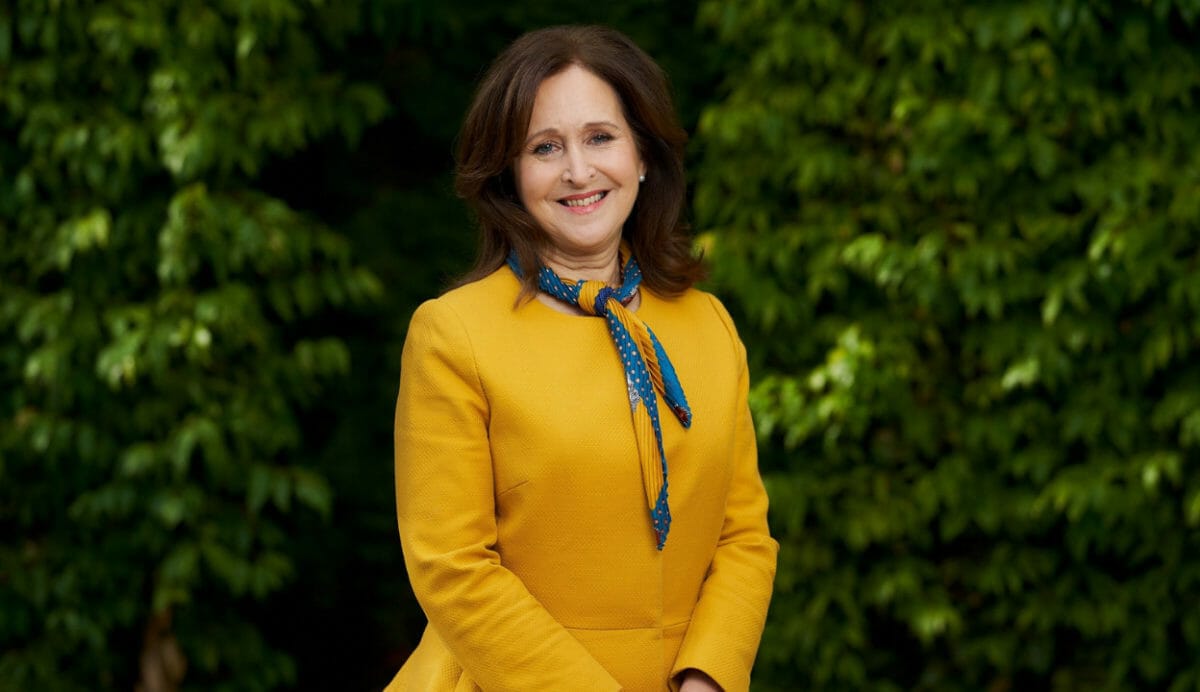
“We are great supporters of compulsory super, and have been in the past,” Zinn says. “[But] we haven’t really done the work in terms of the adequacy, that is, what really will be enough? I probably wear two hats being here today: one is Choice, in terms of our role; but I have actually consulted more widely among that group known as the ‘consumer industry’, or whatever you want to call them, and I’d have to say that the views are surprisingly polarised on this one.
“That indicates to me that there is a great deal more information that needs to be out there, understandably, and a lot more debate. Often our role is to question, one, a suite of [issues] around adequacy; and then, two around product design. “And certainly they’ve been some great advances in terms of product design of super.
I think we’d still be keen to push some a bit further, [to] see how they bed down. As I said, we are firm supporters of compulsory super but quite what that level should be I think we’d still want some more debate around it.”
Choice has been a strong supporter of the Future of Financial Advice (FoFA) reforms, and addressing conflicts in the financial planning space. Zinn says Choice recognises that implementing FoFA is an important element – along with raising the SG – in producing better results for consumers. He says there are five issues Choice is focused on.
“Commission bans was one of them, and certainly, there are full marks for that,” he says. “Lost super was another one of those five issues, and the tax file number, that will go a long way to clearing it up. Multiple accounts – again, we’ve got some more consolidation, so that should happen.
The defaults – that’s perhaps a work in progress; but MySuper reforms will really help. “And the fifth one is advocacy, and that’s [creating] an advocacy group, that I know the Minister’s talked about, and that’s ongoing.”
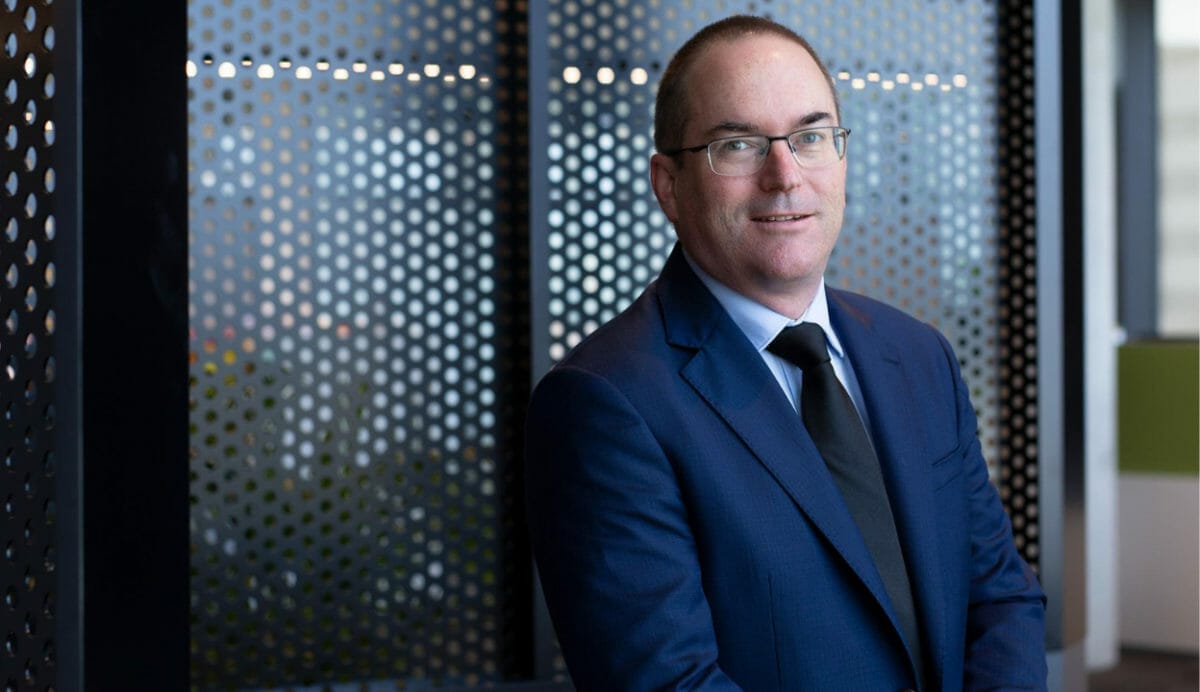
Michael Drew, Professor of Finance, Griffith Business School, and managing director, lifestyle strategies, QIC, says raising the SG is an important step towards achieving retirement income adequacy, but it’s by no means the only step, and on its own is insufficient. More attention needs to be paid to the specific requirements of super fund members as they approach retirement.
“You can throw money at this problem but it’s a coordinated set of levers that need to be managed by the fiduciaries around contribution rates, around education, around the asset allocation decision,” Drew says. “I keep coming back to this point: what are ‘safe’ and what are ‘risky’ changes over your life.
The sort of financial market conditions we have today, for instance, for a 25-year-old are important, but in the grand scheme of things don’t necessarily matter. If you’re 62 years old today, and you’re within three or four years of your retirement, they absolutely matter.
“So, it’s about a coordination – again, it’s the ‘outcome’ conversation, about contribution rates, about the asset allocation and the system moving, to continue its long heritage of membercentricity. “So there are a number of challenges within the system. Moving from 9 to 12 per cent is very important – like anything, throwing money at a problem can help, [and I] certainly support that – but there are [other] things we can do.








Leave a Comment
You must be logged in to post a comment.