


The potential downside for an investor exposed to an investment manager with an inadequate operational risk management structure in place can far outweigh the downside from being overweight Rio Tinto instead of BHP Billiton.
The reputational damage a superannuation fund can suffer from being associated with a manager who experiences operational difficulties can also be significant. Examples of these potential risks include those associated with poor accounting controls and procedures, valuation policies and controls over net asset value calculations, and lack of independent investment risk monitoring.
Arguably, investors should now be paying more attention to this than any time in recent decades. Investment managers are facing increasing pressure on their revenues from flat to declining markets and client demands for lower fees. Cost cutting is for many the only way to protect profitability. Investment managers are always very reluctant to be seen to be reducing costs in their front office so they are forced to look elsewhere for savings. Investors need to be very wary of investment managers looking for savings in their back and middle office as this often leads to higher levels of operational risk being taken.
Despite these risks and warnings, investors typically spend a fraction of the time they spend on frontoffice- manager research evaluating operational risk management. It is not uncommon for a superannuation fund’s operational due diligence to amount to no more than reading a standard questionnaire and having a five-minute tour of the office after a four-hour meeting with the portfolio manager. The level of investment risk being taken by an investment manager can be monitored on a daily or even hourly basis. The level of transparency on the operational risk taken by a fund manager on the other hand is minimal on a daily basis. The need for thorough and regular on site due diligence and monitoring of an investment manager’s operational activities is therefore critical.
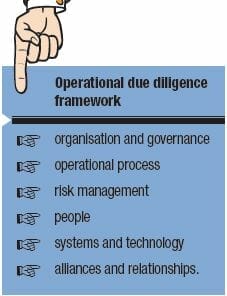
Paying your dues
There is no single reason why so many institutions pay inadequate attention to operational due diligence. For some, it is a case that they simply aren’t aware of or understand the risks; for others, it is that they haven’t the expertise or resources to conduct the necessary level of due diligence. Another reason can be complacency, which can occur if an investor assumes that if the manager already has a reputable client base, then one of these clients must have already done operational due diligence. Finally, it may be considered more interesting to talk about markets and investment processes with a star fund manager than it is to talk about operational risk and compliance matters.








Leave a Comment
You must be logged in to post a comment.