


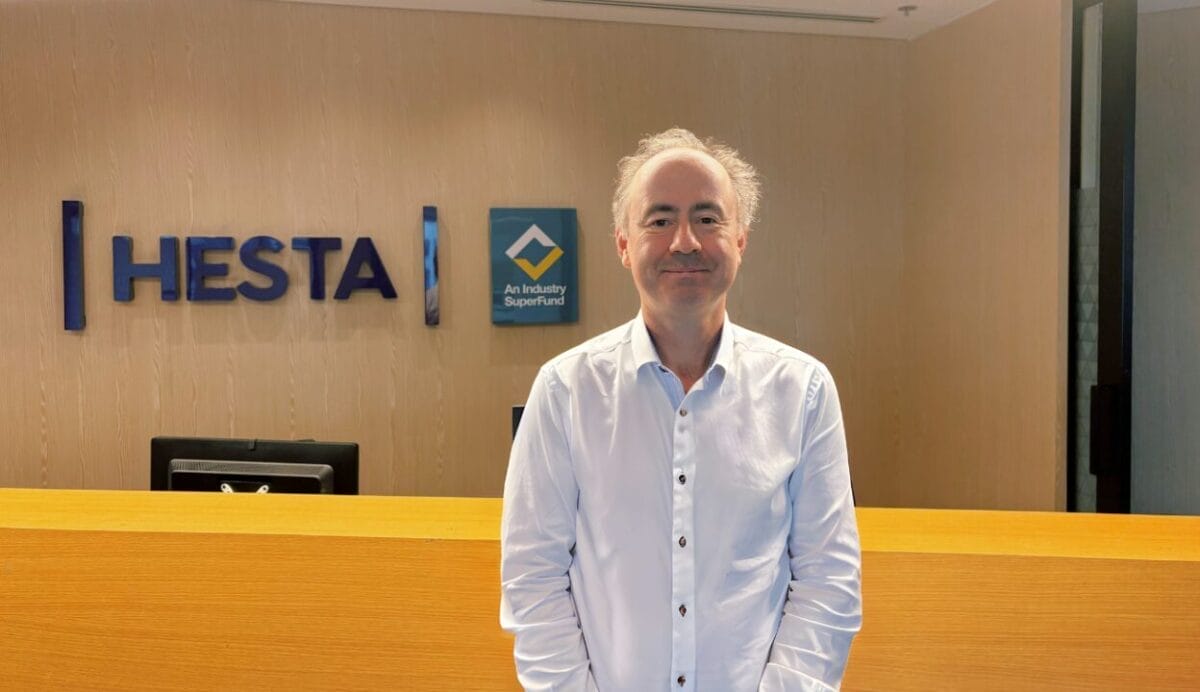
BNP Paribas Securities Services has no aim of being number one custodian in the Australian market according to its new head of business, Ian Perkins.
The custodian currently has the third largest amount of assets under custody in the Australian market at around $320 billion, behind JP Morgan at $463 billion and NAB Asset Servicing at $673 billion, but according to Perkins the main goal is to building long term relationships and add value to clients through portfolio analysis.
Perkins was speaking in his first interview following the departure of Peter Baker, the managing director of BNP Paribas Securities Services for the past year, to Mercer.
His comments follow soon after BNP Paribas, along with other major custodians, declined the opportunity to purchase NAB Asset Servicing, when it was put up for sale in July.
Perkins said there was “huge potential” to leverage its relationships with clients through services that helped chief investment officers deliver extra returns.
Services that are most in demand are analytics that show the amount of risk fund managers are taking to achieve their returns, the analysis of ESG exposures in portfolios and improving the speed and accessibility by which such analysis was given to investment teams.
The custodian’s most recent client win, Australian Unity Investments cited BNP’s ongoing investment in technology as one of the key reasons for its switch of custodian.
Perkins cited his 10-year experience at Morse Consulting, which he co-founded, as influencing his world-view of clients.
“The one perspective it gives you is the training around listening to people and finding out what the business issues are and collaborating with clients to develop solutions to take their business forward,” he said.
Since Baker’s departure early in October, Perkins assured that it was very much business as usual at BNP Paribas.







Leave a Comment
You must be logged in to post a comment.