


Switching administrators is a big task for any super fund, but perhaps even bigger for the NZ$284 million/A$262 million Cook Islands National Superannuation Fund (CINSF), which is based in Rarotonga – a tiny island that takes less than an hour to drive around and which is a couple of thousand kilometres from pretty much any other land mass.
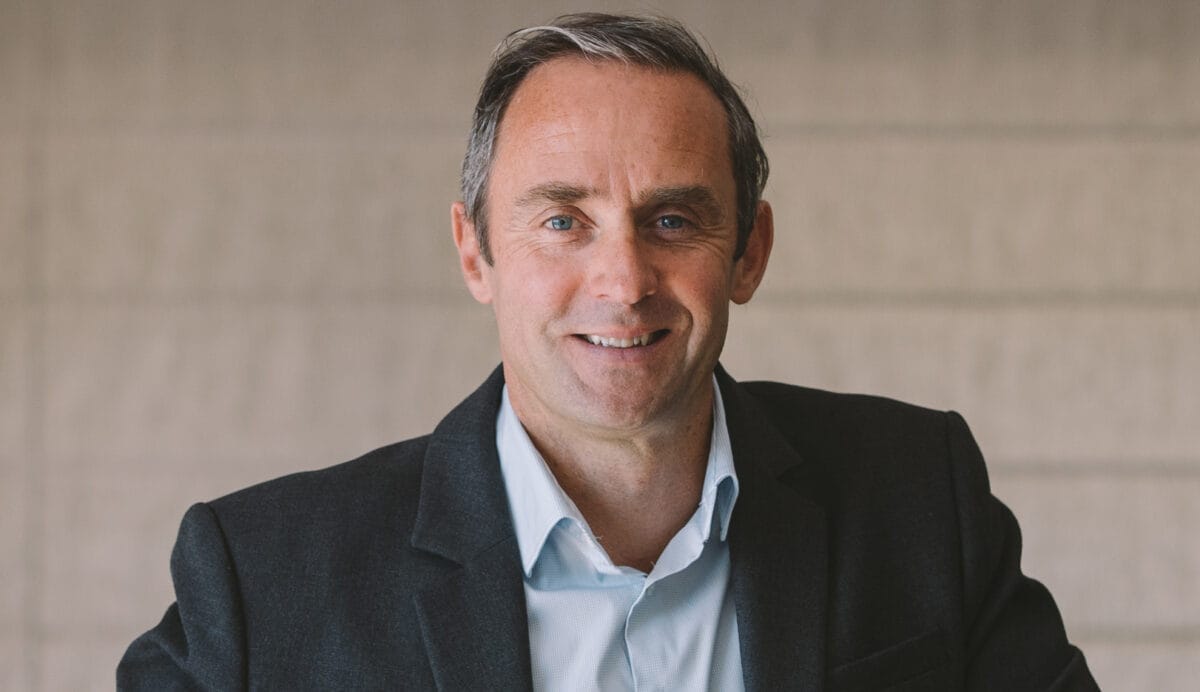
CINSF chief investment officer David Brown says that as a small fund in a distant country, it is usually a “taker of services” that don’t always fit it perfectly. It previously outsourced its administration to Link Group and was running on a legacy system used by few of Link’s other clients that was no longer fit for purpose.
“We had a lot of things on spreadsheets,” Brown tells Investment Magazine.
“We were concerned about the consistency, the lack of visibility, the transparency into the system. I understand why (that was the case), but we ended up going to a much more mechanised system that was cheaper.
It selected NZX Wealth Technologies (NZXWT), a wealth-tech subsidiary of the New Zealand stock exchange, as its new provider. The NZXWT offering was picked because it provided both more granular member data and allowed Brown and the board to see “both sides of the ledger” – member assets, which Brown thinks of as the liabilities, and the investments that back them – on one balance sheet. For once, the service taker has something more tailored to its needs. But Brown says the process of switching administrators was a “nightmare” that took more than a year and put other projects on hold.
“I had long, flowing hair before,” Brown says. “But there was nothing we couldn’t fix and there was a lot of goodwill on both sides. Everybody was shoulder to the wheel. It was a very healthy task. We reduced the costs and we improved the outcomes.”
The process culminated in a weekend-long shutdown that was preceded and followed by week-long “limited” freezes on functionality like contributions, though CINSF still dealt with insurance claims. It would’ve been a lot easier to take everything offline for a lot longer, but that wasn’t a luxury the fund could afford itself when dealing with health issues and funeral claims.
“These are our neighbours and people we know,” Brown says. “We couldn’t really close it down.
“Being involved in a small super fund like this with 15 staff, you need executive signoff to move money. For a CIO I get involved in a lot of run-of-the mill operations. I’ll be at the gym and get a text about an urgent TPD claim with somebody being medevacked to Auckland. So I stop between sets and jump on the computer and sign it off. You’re much closer to the coalface, which is nice, but you see the enormous complexity.”
In the end, the switch went smoothly – but only because of the massive amounts of work that went on behind the scenes.
“I take my hat off to NZXWT for how well they managed it,” Brown says. “Everything was working because a lot of ducks were peddling their feet furiously under the water.”
Investment rethink
CINSF only has three investment options, “imaginatively” titled conservative, balanced and growth, and made up of varying exposures to a global equities and global fixed income ETF. It doesn’t offer what Brown calls “extreme” options like all cash or all equities because the fund believes their presence can encourage counter-productive switching behaviour during periods of stress like the one that markets have just been through.
“That’s a typical Aussie situation and a lot of funds have felt they have to provide the full rainbow of risk options, but from a fiduciary point of view it doesn’t always serve the interests of members,” Brown says.
“We had such a good year last year. Our growth option had an 18 per cent return and people were very happy about that. I’m hoping that a little bit of a glow has come over that and we’re able to put it in the context of great returns recently and say that this is a period of adjustment for the global economy as we get used to the new regime in Washington.”
CINSF had just $300 million in FUM when tariffs hit, and is now
preparing to diversify its portfolio in response togeopolitical changes, eyeing markets beyond the US and making small investments in local real estate for the first time.
“The Trump Administration has definitely changed how the world behaves and does things,” Brown says.
“I think that there’s a real shift and it’s really hard to get a sense of how strategy might be shaped this year… We’re in a distant location and it’s hard to get a read on how things might go. I’m actually concerned about the US – it’s 60 per cent of our equity portfolio, being the largest market.
But being in a distant location can also be an advantage. Brown says that some of the funds’ best investors are also its most isolated.
“We find the most sophisticated investors live in the Pa Enua – the distant islands,” Brown says. “There might be 200 people on this island in the middle of the Pacific, two hours flight from Rarotonga into the middle of the ocean… But they’re very reflective and thoughtful.
“I think they’ve got more time to think about things and life is slower. I honestly think that there’s something quite beautiful about that slow life – and they’re quite sophisticated. They have the same access to the internet and the same school curriculum as everywhere else. This is a pretty sophisticated country. It’s had 98 per cent literacy for the last 200 years; people are very well read.
“They access the voluntary savings as well. They’ll save and they’re often in the growth option – we have the highest per cent… Pa Enua will have the high growth option and have pretty good balances in their voluntary contributions.”
CINSF will always have its challenges, Brown says. It has just 15 staff to service tens of thousands of members spread across 15 islands totalling 236 square kilometres in two million square kilometres of ocean.
“We just have a lot to do. We always have issues to do with bandwidth in a small organisation we just don’t have the resources that other organisations do. We live in a great place where other people come for a holiday, but life is busy here. But we do have a nice work/life balance – coming to work in shorts and a Hawaiian shirt is pretty cool.”






Leave a Comment
You must be logged in to post a comment.