


Equity volatility as an asset class is increasingly recognised as a useful diversifier in portfolios, but the cost associated with maintaining a long volatility position could be damaging for returns during uncertain times.
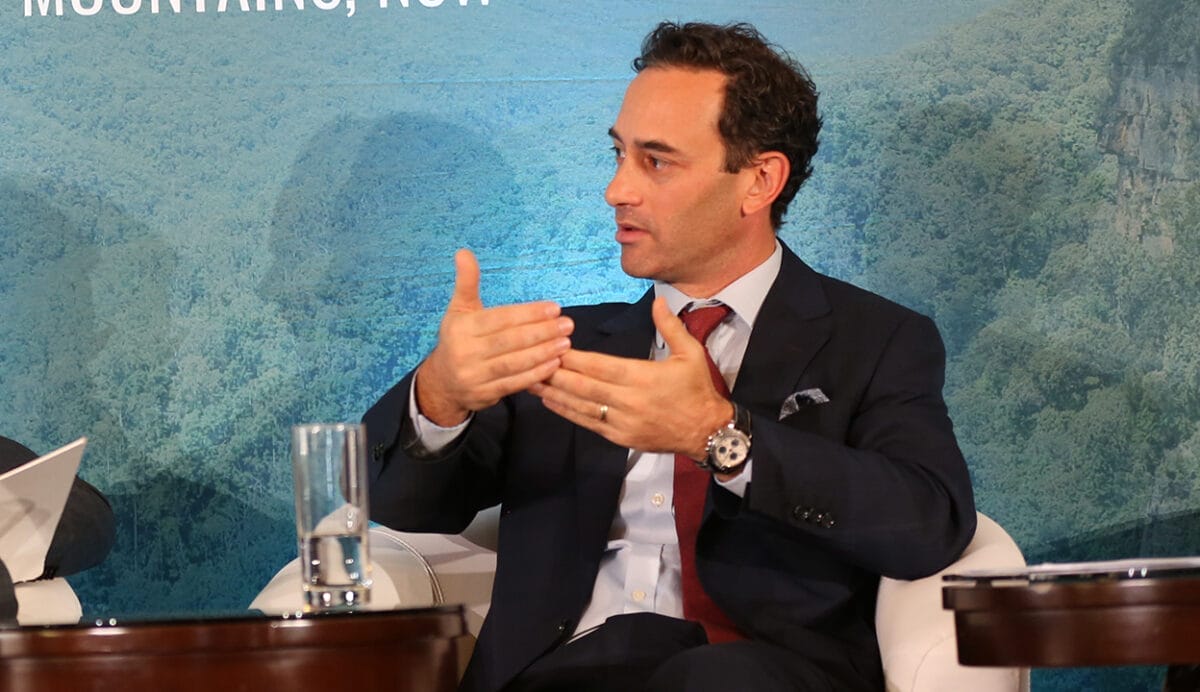
However, with appropriate active management, asset owners can reduce that cost significantly and capture more upside potential, according Gilbert Keskin, head of convexity solutions at Amundi.
The European asset manager is tipping that the volatility scenario of the S&P500 will remain in the “medium regime” in the next 12 months, which implies some markets challenges but not seismic shifts.
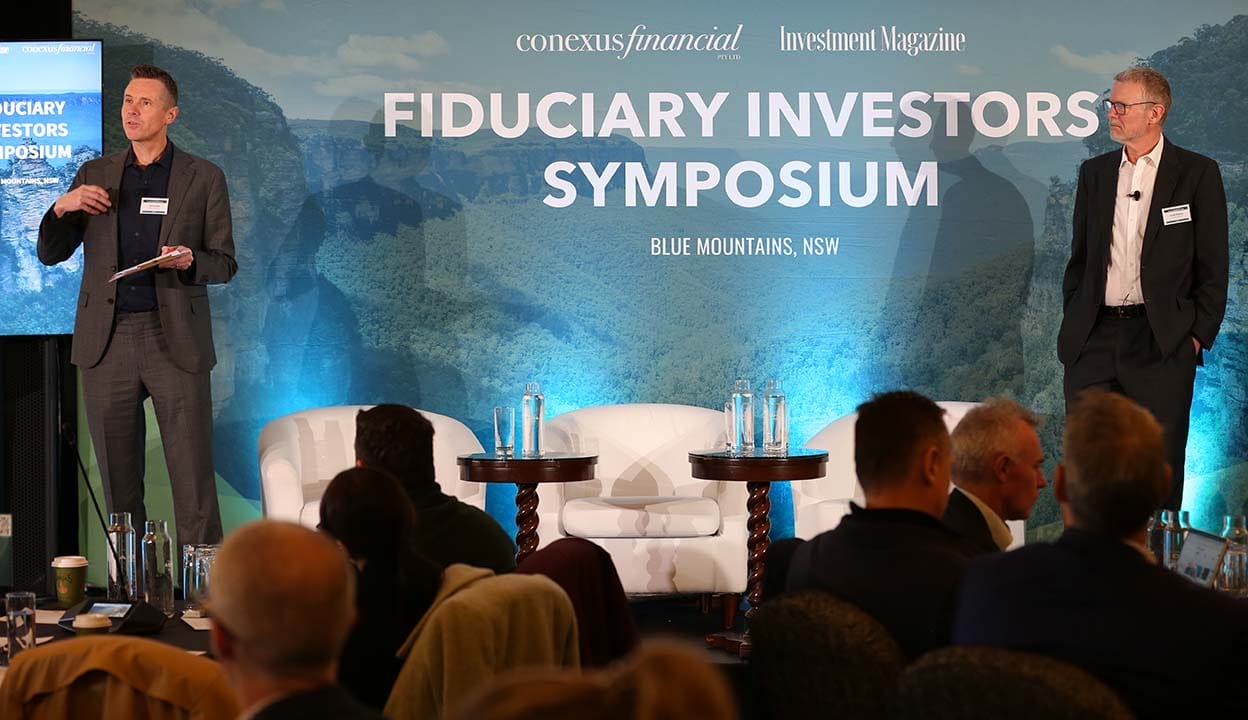
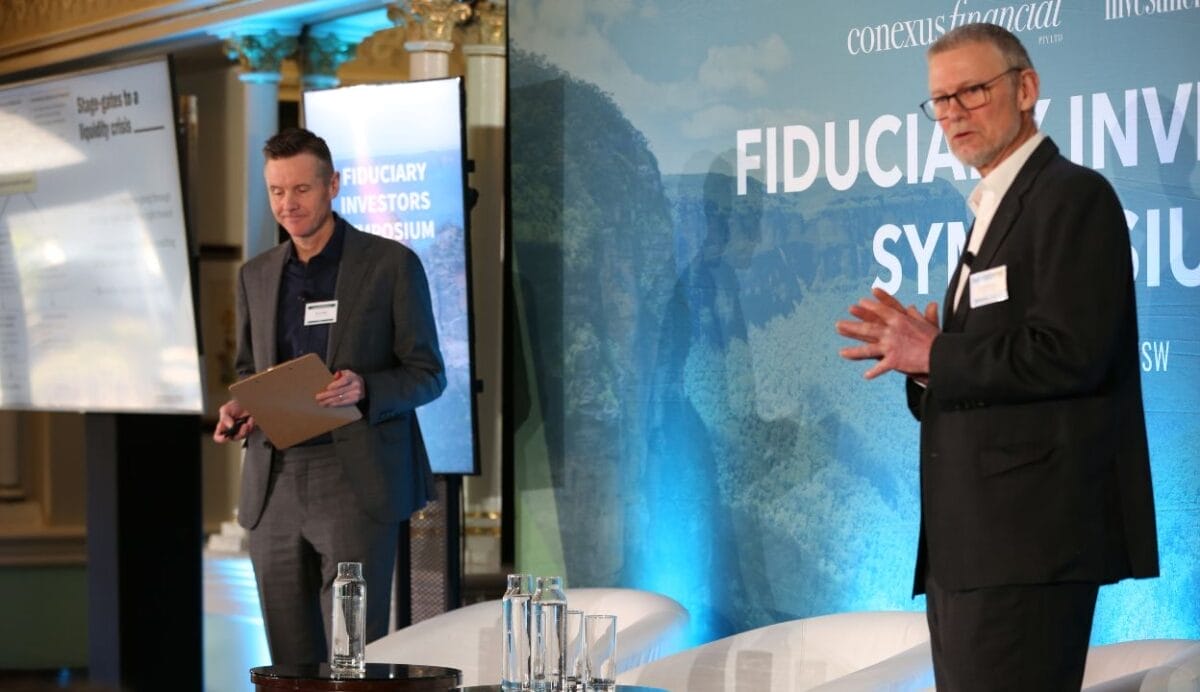
“There is still this ‘buy the dip’ kind of market behaviour, and there is still tons of money to be invested,” Keskin told the Investment Magazine Fiduciary Investors Symposium in the Blue Mountains.
“We think that the long-term view will still be [investors] trying to catch opportunities, which means that the current uncertainties are manageable and are not source of a big switch into the high-ranging [volatility].”
Active management of volatility strategies is critical during a medium regime because the periods of market stress are episodic.
“We’ve seen that all the drawdowns which are happening are short-lived, and more and more short-lived. At the end of the day, if you are not tactical on your overlay, it is a cost,” Keskin said.
“What we think is relevant is not just buying premium overlays, but more [about] managing and adjusting the overlay to the structure of the market and to the opportunities we can see.”
The possibility a “high” regime of volatility is not zero but it would take exogenous factors – such as a global war – to propel the world into that scenario, but the current volatility is driven by macroeconomic factors.
“We think that the stress will be here, but central banks will still be here to mitigate that that risk, there are still room to be more dovish, which means that for us, the current uncertainties are more macro driven and are more manageable.”
Keskin observed that investors have primarily been using volatility as an asset class in two ways: One is as a hedging strategy and deployed on a tactical basis.
But on a portfolio construction basis, some investors consider volatility as a part of their alternatives investments due to its negative correlation with other components of that portfolio, such as private assets.
“Private assets are a way to reduce the volatility of their investment, for sure, but they’re also reducing strongly the liquidity of their investment,” Keskin said.
“They really see the interest of having such a negatively correlated strategy, and by having an active management in order to reduce the cost of this negative correlation.
“All in all, we think that in the environment today, options could be seen as expensive when you are in a strong, good market.
“But again, if you are in an environment where you have ups and downs and several drawdowns, and if you manage actively, this is a good source of alpha.”







Leave a Comment
You must be logged in to post a comment.