


Cbus CEO Kristian Fok has issued a mea culpa to members affected by delays in processing death benefits and TPD claims as the fund continues to clean up its administration and member services problems, in his first public comments since an appearance before the Senate Economics Reference Committee in November.
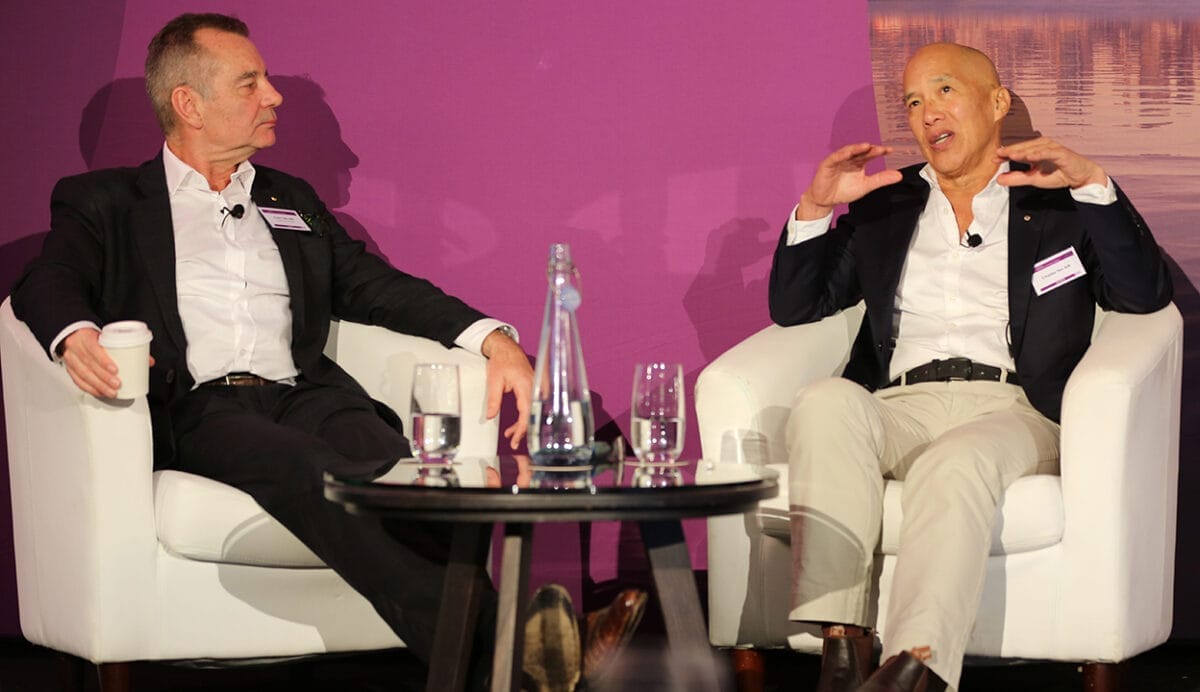
“What we experienced, and some others in the industry, was absolutely horrific in terms of the experience that our members received at a time when they absolutely needed us,” Fok told the Investment Magazine Insurance in Super Summit.
“It was something that came to my attention pretty quickly as I took on the CEO role; it wasn’t necessarily one of the first things that was as visible to me early on, but its significance was pretty apparent after looking at what was going on on the ground and hearing the issues that were bubbling up.”
Fok said that media reporting and regulatory announcements “lagged” behind Cbus’ efforts to clean up its mess; it has remediated affected members (though Fok conceded that compensation isn’t “necessarily reflective of the distress that some of the families and individuals did go through”) and worked with its administrator, MUFG, to improve service centre training and the way cases are handled, as well as sketching out changes to its paper-based binding nominations and a move to nominations that don’t lapse.
“We’re also looking at different avenues of payment as well, where it makes sense, and simplifying the process upfront,” Fok said.
“We learned very early one that our website was confusing; it didn’t upfront tell people how to go about making a claim and what sorts of information you needed to collect. That was the first step.
“The next big step that we’re working with our administrator on is streamlining decision making and so forth. And we’ve also been working with [insurance provider] TAL around how we can use some digital technology as well and integrate that. There are many, many things that are within our control. They may not be easy but they are within our control.”
But all of that costs money, and regulatory pressure to bring down costs while increasing service standards has long been a source of tension for the industry. But letting members down is expensive too, Fok said.
“I think inefficient business rules that require more steps than necessary are expensive to administer but also more painful for our members to go through,” Fok said.
“And ultimately, if you can shorten the time that it takes to make a decision and to pay your members, which is what we’re here to do, that should have benefits. From an expense point of view there is a need to invest in technology that’s been recognised by both ourselves but also our administrator, that if done well will have a payback period, if you want to talk about best financial interest, but most importantly it will improve the experience that our members have and that’s really what we’re here to do.”
Insurance is a “key differentiator” for Cbus, which offers insurance that otherwise would be harder to acquire for those in dangerous occupations – including working at heights, and potential risk of silicosis. More than a quarter of its members are under 25, and since the Dangerous Occupation Exception – which allows super funds to elect that members employed in certain high-risk occupations will be provided with insurance cover even if they are under 25 and/or have an account balance that is less than $6,000 – has been in place the fund has paid out over 1150 claims and $150 million, largely to young families.
“It’s really critical that we deliver the service we promise, and we are reliant on others,” Fok said. “We don’t do it unilaterally. We have a great relationship with TAL, but we also have a very strong relationship with MUFG, as we’ve worked to try and change things for the better.”
“I think the industry itself is coming to grips with the fact that we have been very successful in the original promise [of superannuation]. Earlier on, when there were insurance claims, we were talking about $10,000. It makes a big difference at the time but wasn’t of substantial enough size to be contested. We now need to accept that superannuation has been successful to the extent that, when something happens to an individual, it’s more complicated.”
The comments came days before Cbus deputy CEO Marianne Walker announced her departure from the fund, the latest in a string of executives to depart the fund, including former CIO Brett Chatfield, chief strategy officer Alexandra West and deputy chief investment officer and head of private markets Alexandra Campbell.
“Marianne Walker has decided to leave the fund in early September to concentrate on spending more time with her family,” a Cbus spokesperson said in a statement. “We thank Marianne for her dedication to Cbus members and wish her all the best.”





Leave a Comment
You must be logged in to post a comment.