


Dr Charlie Teo AM has a name that is a byword for controversy in the Australian medical profession. He spent the early part of his 41-year professional career building a reputation for taking on high-risk cases that often had been turned away by other surgeons, pioneered minimally invasive neurosurgery and has more than 11,000 brain-tumour surgeries to his name.
But he has spent the latter part of his career managing fallout from restrictions placed on his licence to practice in Australia after being ostracised by his peers, facing intense criticism over adverse patient outcomes and dealing with significant personal upheaval.
When conditions were placed on his licence to operate in Australia, Teo shifted his attention to China, where a hospital was virtually custom-built for him.
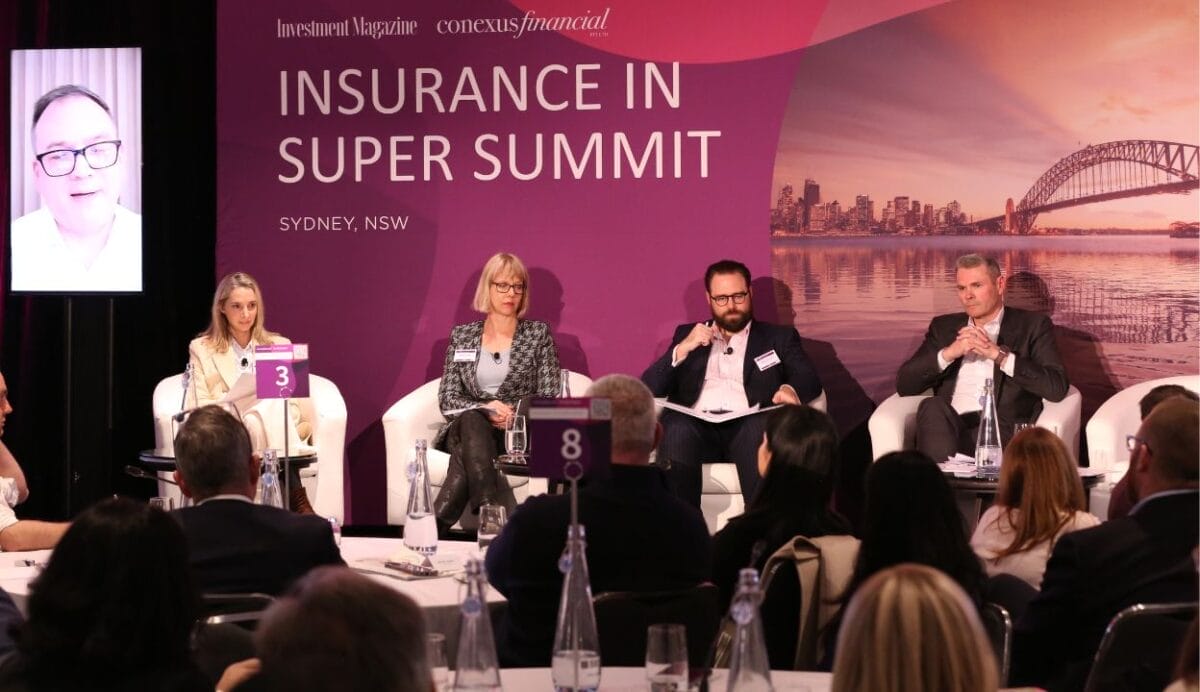
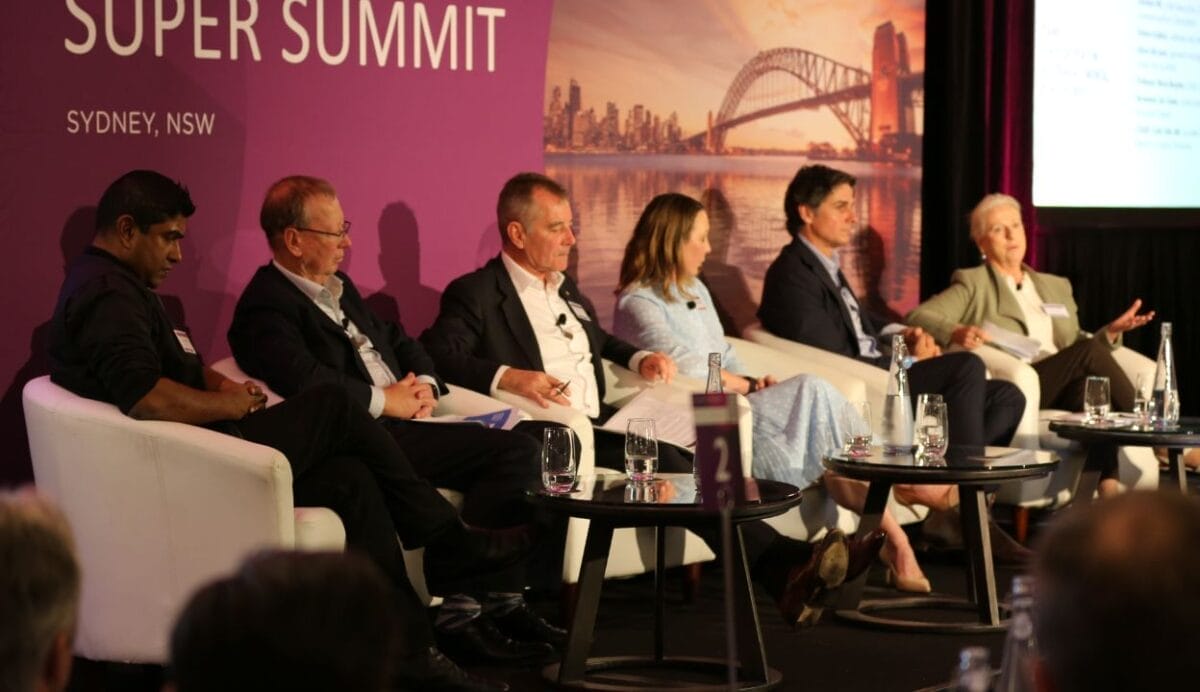
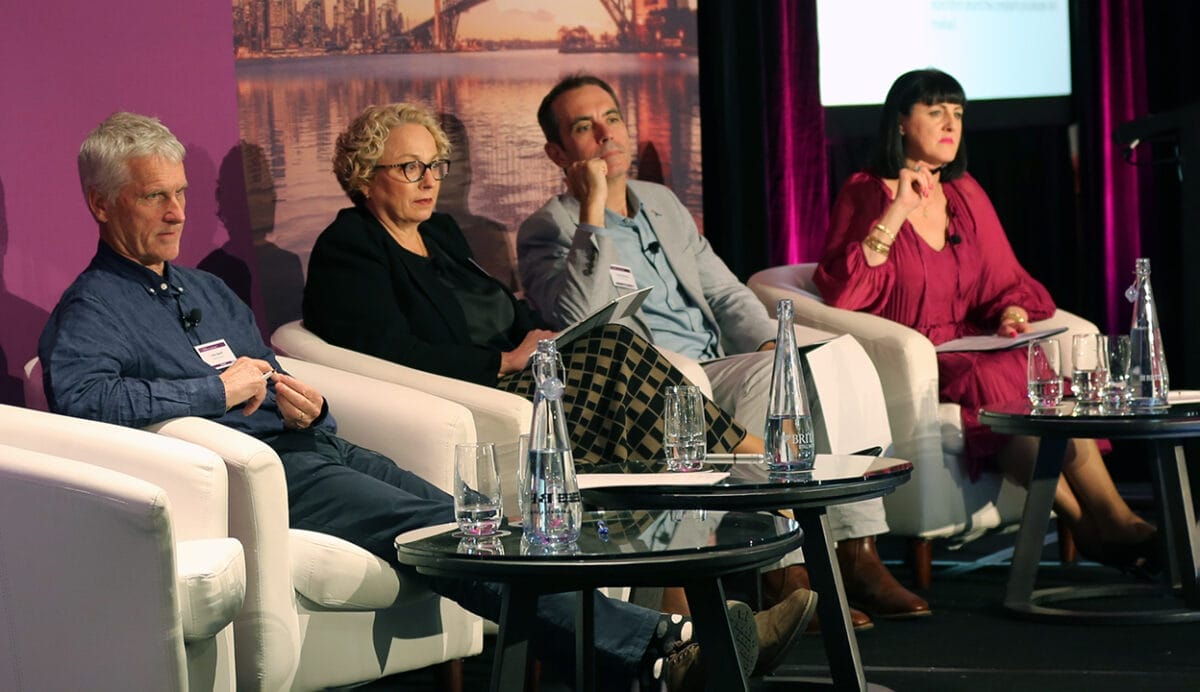
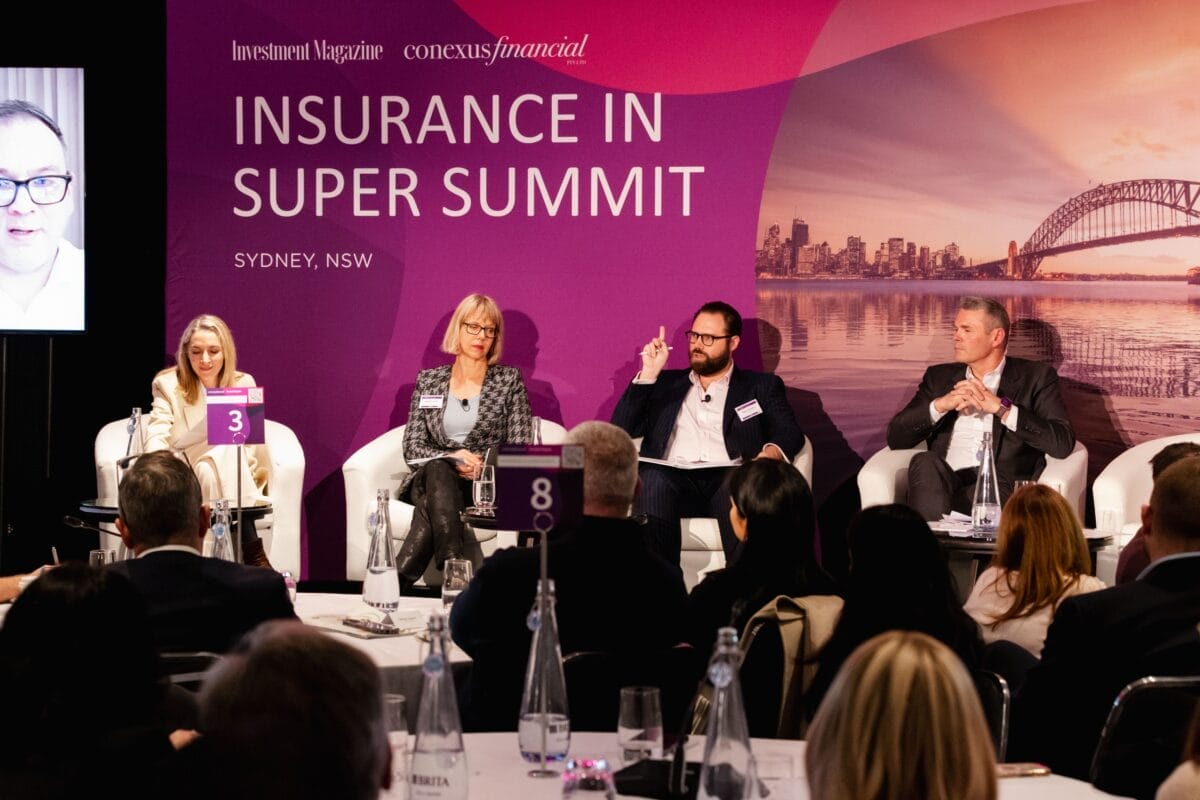
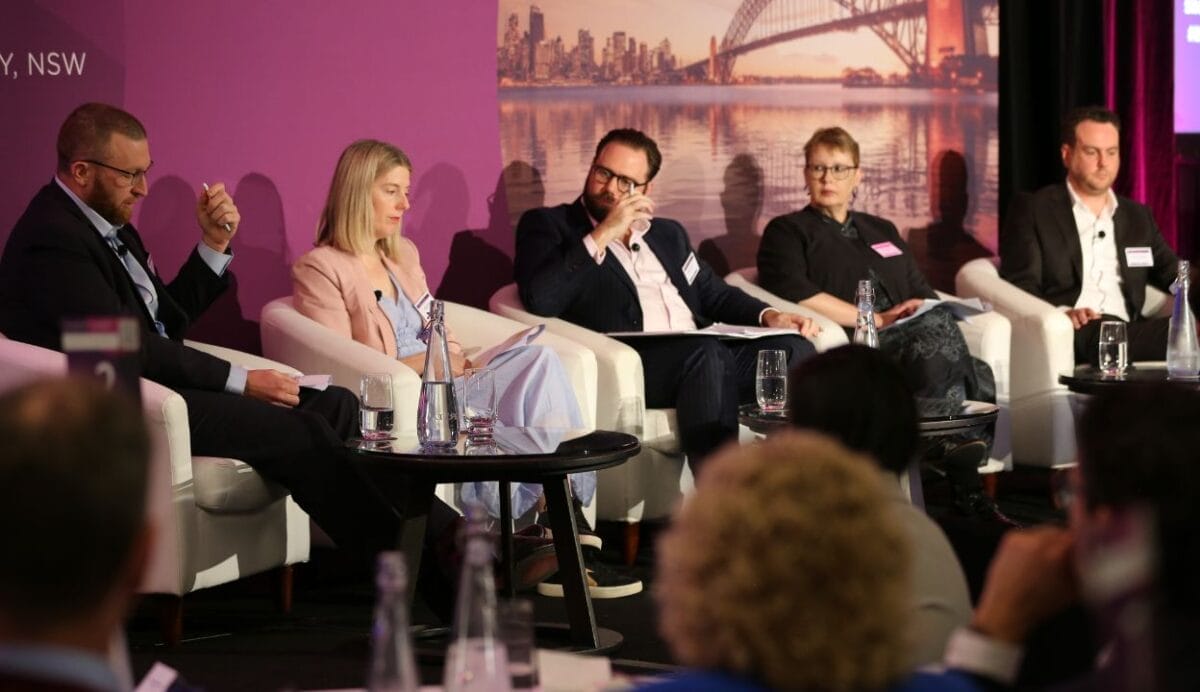
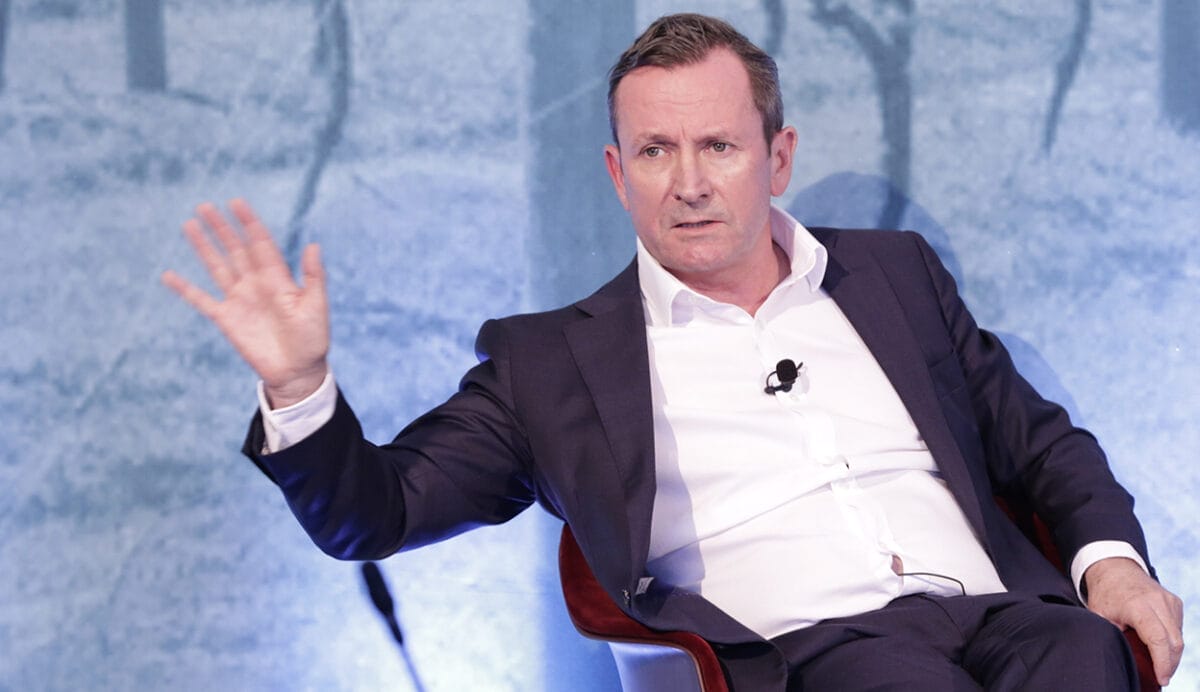
“The Chinese jumped at the opportunity to try and get me to operate there,” Teo told the Investment Magazine Insurance in Super Summit in Sydney on 22 July.
“I started operating there [in] October 2024, so I’ve been operating pretty full time now in China.”
In conversation with Conexus Financial founder and managing director Coin Tate AM, in a session that covered leadership, standing up in the face of adversity and the importance of maintaining mental health, Teo told the summit that the events of the past few years have reinforced the importance of compassion, resilience and perspective.
He said these qualities helped him face intense public and professional scrutiny, and to manage consequent mental health issues. He says the ramifications of the disciplinary process went beyond his professional life.
“I went through a divorce, I lost my income, I lost the passion of doing what I do best,” Teo said. “I lost respect. I saw my own children crying and, you know, seeing the unfairness of life. It was a terrible, terrible time.”
The events of the past several years have shaped his understanding of issues related to mental health and the impact it has on those who experience it.
“I feel very sorry for people who don’t have good mental health. I was never a Tom Cruise where I denied it, but I always thought that people with depression should just get over it,” he said.
“Now that I’m more informed and I know more about mental health, I realise that there is a problem, and it’s like a disease, like any other disease, that should be respected, and these people should be listened to.”
Serious and complex
Despite his earlier misconceptions, Teo acknowledges that depression is a serious and complex issue. Even though he did not experience long-term clinical depression himself, he said the pressure took a toll.
“I was one of the lucky ones. I was born with, I guess, the ability to take on adversity and tolerate it pretty well,” he said. “But it was bad, I’m not going to downplay it.”
Teo described a moment that helped him modify his perspective. While doing pro bono work in India, he encountered a guru who approached him and asked if something was wrong.
“I was having breakfast, and this guru came up, just appeared out of nowhere,” he said.
“I said, ‘I guess there is. Back in Australia, I’ve been sort of vilified by my colleagues and the media, and I’m really over it.’”.
“He saw that I was melancholic… and he said, ‘Just come and spend some time with me’.” Teo says what followed was a shift in mindset.
“The distillation of those three days is very simple,” he said. “It comes down to one sentence: One day it will all make sense.”
Teo said he had always believed in certain simple sayings, such as what doesn’t kill you makes you stronger, and that when one door closes and another opens.
“But when you’re in the thick of it, you tend to forget those dictums,” he said. “And so it was a good reminder that one day everything will make sense, and you’ll realise that it wasn’t such a bad thing.”
Despite the cost of what he has experienced, including estrangement from the Australian medical system, financial hardship and reputational damage, Teo said he remains clear on what really matters.
“You’ve got to listen to your patients. You’ve got to treat them with respect. And if someone’s in need, you help them,” he said.
Teo says that as the neurosurgery door in Australia swung shut, a door that opened for him was collaborating with fellow neurosurgeon Michael Sughrue on projects to functionally map the human brain. Teo says he believes that neuroscience is “just going to blossom now” as leaps are made in the understanding of how the brain functions.
“Once we mapped the human genome, that was the start of huge advances in science, because we never knew what normal was, and so it was very difficult to tell what was abnormal,” he said.
“Once we mapped the human genome, it became very clear what was abnormal. And then we can engineer those genes that were abnormal. Now that we’ve mapped the human brain, it’s just going to go from bigger to better.”





Leave a Comment
You must be logged in to post a comment.