


A near-doubling of insurance claims paid out for mental health-related issues compared to five years ago underlines an urgent need to address two issues: the underlying health epidemic sweeping the nation; and the sustainability of insurance products to support Australians who experience mental health issues, including those who are forced to retire from the workforce.
The Council of Australian Life Insurers (CALI) said in a release on Friday that insurers paid out more than $2.2 billion in mental health-related claims in 2024, almost double the $1.2 billion figure of five years earlier. It said mental health has become the number one cause of total and permanent disability (TPD) claims, now accounting for almost one in three (31 per cent) claims paid; and one in five income protection claims is due to mental health, with insurers paying out more than $887 million in 2024.
And it’s not only insurers feeling the effects of rising mental health issues. CALI chief executive Christine Cupitt said “the entire safety net” is under pressure.
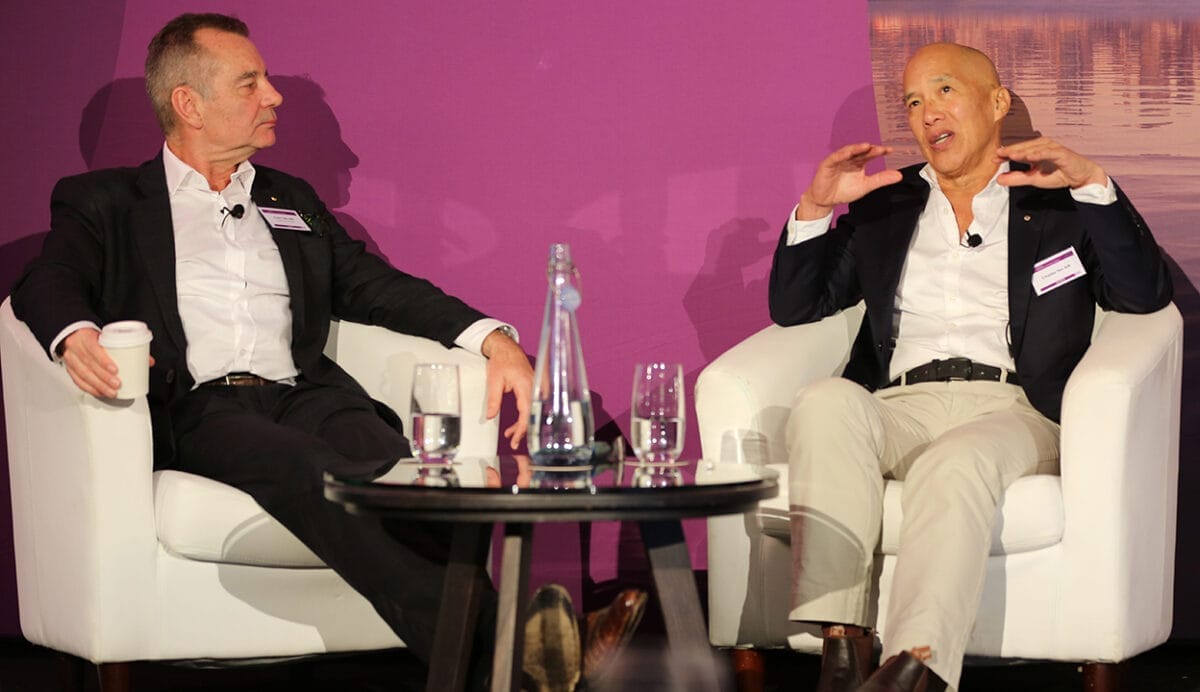
A key panel session at the Investment Magazine Insurance in Super Summit will assess the national landscape for mental health and wellbeing, along with policy, funding, prevention and care settings.
The panel – featuring Commonwealth Superannuation Corporation chief executive Damian Hill, Lifeline Australia chair Professor Steve Moylan, AIA Australia Vitality and shared value general manager Alison McLean, wellness and stress resilience adviser Sharon Kolkka, Wayside Chapel pastor and chief executive Reverend Jon Owen, and chaired by Conexus Financial* founder and managing director Colin Tate AM – will examine the role of insurers and superannuation funds in responding to and helping solve what the medical profession has rightly described as a crisis.
A KPMG report, Australia’s Mental Health Check Up, published in December 2024, said the fastest increase in TPD claims due to mental health issues is among young people, whereas temporary disability claims tend to occur when people are slightly older.
The report notes that the use of mental health services in the past decade has increased across all age groups over the age of five but that the increase was greatest among 18-to-24-year-olds at 60 per cent, followed by those aged 25 to 34, at 45 per cent.
This suggests there are significant additional challenges for insurers and to the design of products they sell. The classic insurance business model relies on younger people who are less likely to claimsubsidising older insured individuals who are more likely to claim.
The KPMG report noted that:
- On average, the proportion of insured Australians who are permanently disabled due to a mental health condition has more than doubled since 2014.
- An unprecedented number of people are leaving the workforce permanently, particularly in their 30s and 40s.
- People in their 30s are now more likely to claim for permanent disability due to mental health challenges than ever before – with the rate of claims up by 732 per cent compared to a decade ago.
- The average age of people who leave the workforce permanently because of mental ill-health is now just 46 years old, down from almost 49 years old 10 years ago, even though when they claim for physical issues, where the average claimant age remained stable at 49.3 years
- Nearly 80 per cent of the overall increase in the number of permanent disability claims over the past decade is attributable to mental health conditions.
CALI said that every year a growing number of people, particularly younger Australians, leaves the workforce permanently due to mental health conditions. Typically, a TPD insurance policy pays a lump sum, which “may not provide lasting financial security,
particularly for younger Australians with decades of potential working life still ahead”.
Cupitt said that “people are being left with little choice but to label themselves totally and permanently disabled, even where the medical evidence shows there is a chance they could return to work.”
Cupitt noted that the insurance industry needs to rethink “how we better serve customers in the decades ahead”, but that will not only be through improved or modified product design.
A 2020 Productivity Commission report into mental health noted that all Australians would benefit from an improved mental health system, and recommended that the government “review the regulations that prevent private health insurers from funding community-based mental healthcare activities, and permit life insurers to fund mental health treatments for their insurance clients on a discretionary basis”.
A spokesperson for CALI told Investment Magazine that the Federal Government has not yet implemented this recommendation.
“As an industry we remain committed to strengthening the national safety net, led by Government and supported by industry, academia and civil society and contributing to national efforts to support people to live mentally ‘fit’ lives,” the spokesperson said.
* Conexus Financial is the publisher of Investment Magazine.









Leave a Comment
You must be logged in to post a comment.