


Consumer advocacy body Super Consumers Australia (SCA) has called on the federal government to fully review the implementation of insurance in superannuation to ensure super fund members are receiving value for money in the cover they receive.
The call came as SCA highlighted what it says is the need for a super fund member advocate after it successfully applied pressure on Australian Retirement Trust (ART) to help a member have a mental health insurance claim approved.
It said the fund had been delaying paying a claim lodged by the member, but relented and paid the claim after SCA investigated the case.
SCA said the government should task the Productivity Commission with conducting a review of insurance in superannuation to determine whether Australians are receiving value for the premiums deducted from super contributions.
SCA chief executive Xavier O’Halloran said this was a major recommendation in the Productivity Commission’s 2018 review of super and was still relevant seven years later.
“It is past time there was a review of the system as a whole and its place in the broader ecosystem of supporting people when they can no longer work,” he told Professional Planner, a sister publication of Investment Magazine, in a statement.
“The system is at serious risk of hollowing out the quality of cover to deal with mental health related claims increases.”
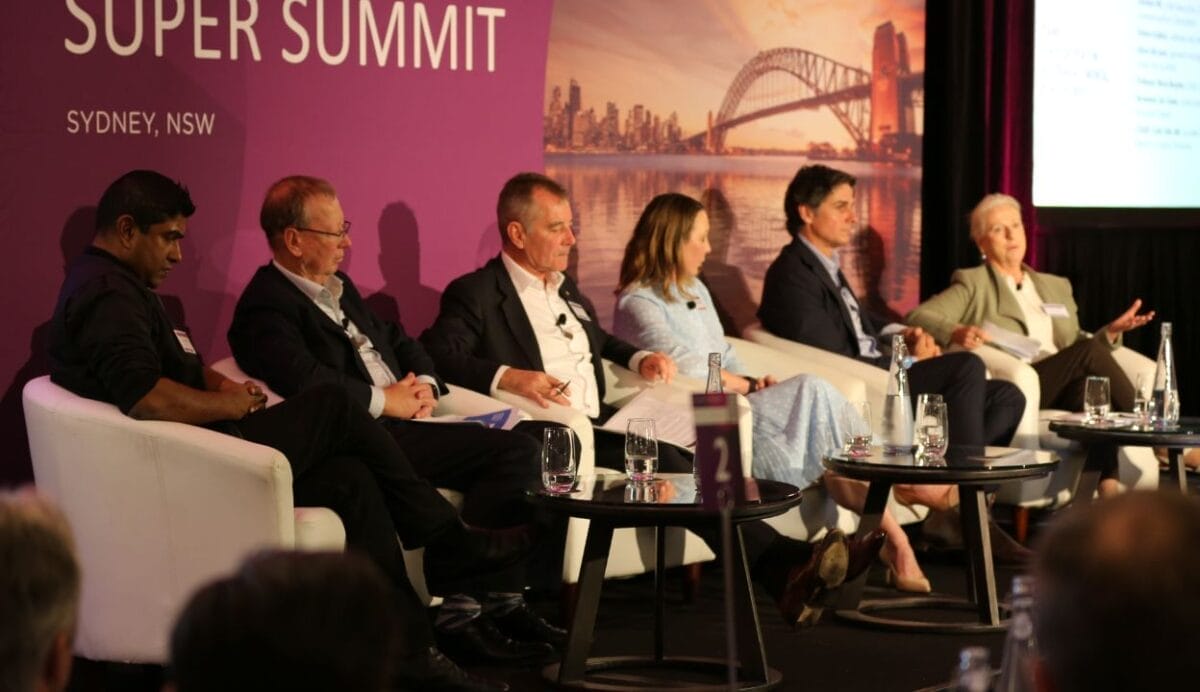
O’Halloran will appear on a panel examining regulatory oversight of insurance in super at the Insurance in Superannuation Summit (IISS), hosted by Investment Magazine next week, as will John Berrill, principal of the firm Berrill & Watson, which represented the ART member.
The SCA investigation uncovered how ART stalled the claim of the 42-year-old Queensland man who developed severe post-traumatic stress disorder, anxiety and depression from his job as an Aboriginal liaison officer at a hospital in North Queensland for 12 years.
“He would wake after nightmares about work, and says he became so physically ill he would vomit in the work carpark before a shift,” SCA said.
After a doctor gave him advice to stop working in December 2021, he was initially granted income protection insurance through his super fund QSuper (before it became part of ART).
The man lodged a claim for total and permanent disability (TPD) after a doctor told him he could never return to work, but the fund’s insurer, ART Life, refused to approve the claim because he wasn’t receiving ongoing treatment from a psychotherapist, SCA said.
However, the man had been living on limited income, needed to move residence, couldn’t afford to see the one psychologist practicing in the region he lived and had no avenue for subsidised sessions.
Junk insurance
At last year’s summit, Coalition Senator Andrew Bragg labelled insurance in super as “junk insurance” and said he was not convinced of the public interest merits of group insurance arrangements.
“I think the trustees in many cases have conducted themselves appallingly,” Bragg said.
SCA director of advocacy Susan Quinn said many funds have imposed unnecessary barriers and burdens of proof on mental health claims.
“It really is a bit of a lottery depending on your super fund,” she said.
“Some of them have got quite specific sorts of tests and requirements in the insurance policies; others have got really general broad tests that are pretty ambiguous if there’s someone walking in trying to make a claim.”
This week ART announced Zurich Australia would take over its insurance mandate, replacing AIA Australia.
Issues with mental health claims in insurance – not just group products – are likely to become more systemic as the peak body for insurers, the Council of Australian Life Insurers (CALI), sounded the alarm late last year about the effect the rising cost of covering mental health claims has on the system.
O’Halloran said a lack of a holistic response to the rise in mental health claims is one of the major issues facing insurers.
“Insurers and super funds have very rudimentary tools to use in the face of increasing mental health claims,” he told Professional Planner in a statement.
“They can drive down claims through complex claims processes and restrictive policies, or put up premiums. Neither of these lead to good outcomes for consumers.”
A KPMG report commissioned by CALI last year, covering retail life insurance policies, found a 732 per cent increase in TPD claims for mental health for 30- to 40-year-olds over the past decade.
Soaring mental health claims has meant premiums have risen, putting coverage levels at risk which ultimately reduces the overall pool on insured Australians.
Professional Planner hosted a roundtable last year with Zurich which heard one potential solution was a separate stream of products that eschewed covering mental health, to help maintain coverage for individuals who still wanted protection for other potential health risks.
In 2023, Zurich paid $256 million – 18 per cent of the insurer’s overall claims payout – to cover mental health claims.
The insurer’s Cost of Care Volume 2 white paper found there were over 12 million active mental health cases between 2020 and 2022, and it was the most prevalent medical condition.
A media release last week from CALI pointed to APRA data showed mental health insurance claims have doubled in the past five years with $2.2 billion paid out in 2024.
Finding an advocate
Last year’s IISS event heard delays in claims handling remain the number one cause of super fund complaints to the Australian Financial Complaints Authority.
AFCA lead superannuation ombudsman Heather Gray told the summit most of those complaints can be traced back to the root causes of poor communication and unmet member expectations.
However, regardless of whether having external and independent advocates for members was a solution, O’Halloran said the system shouldn’t be designed so that a third party is required to help navigate it.
O’Halloran said super funds need to be examining their claims processes, along with their insurer partners, to “figure out where they can make improvements”.
“For example, introducing single points of contact, having individuals responsible for timely claims handling performance in a business and not drip-feeding requests for additional information are all processes that we know from ASIC surveillance that can have a huge impact on timeframes,” he said.
O’Halloran conceded there will always be cases where people still need support, due to factors such as significant ill-health or other vulnerabilities, and those groups can utilise independent financial counsellors and community legal centres.
“Yet there is no funding going to support these services from super,” O’Halloran said.
“The superannuation sector is one of the only financial services sectors not contributing to the voluntary industry fund for financial counselling. That is shameful given wealth that flows through this industry and the limited support currently offered to those who need it most.”
Register to attend the Investment Magazine Insurance in Super Summit.









Leave a Comment
You must be logged in to post a comment.