


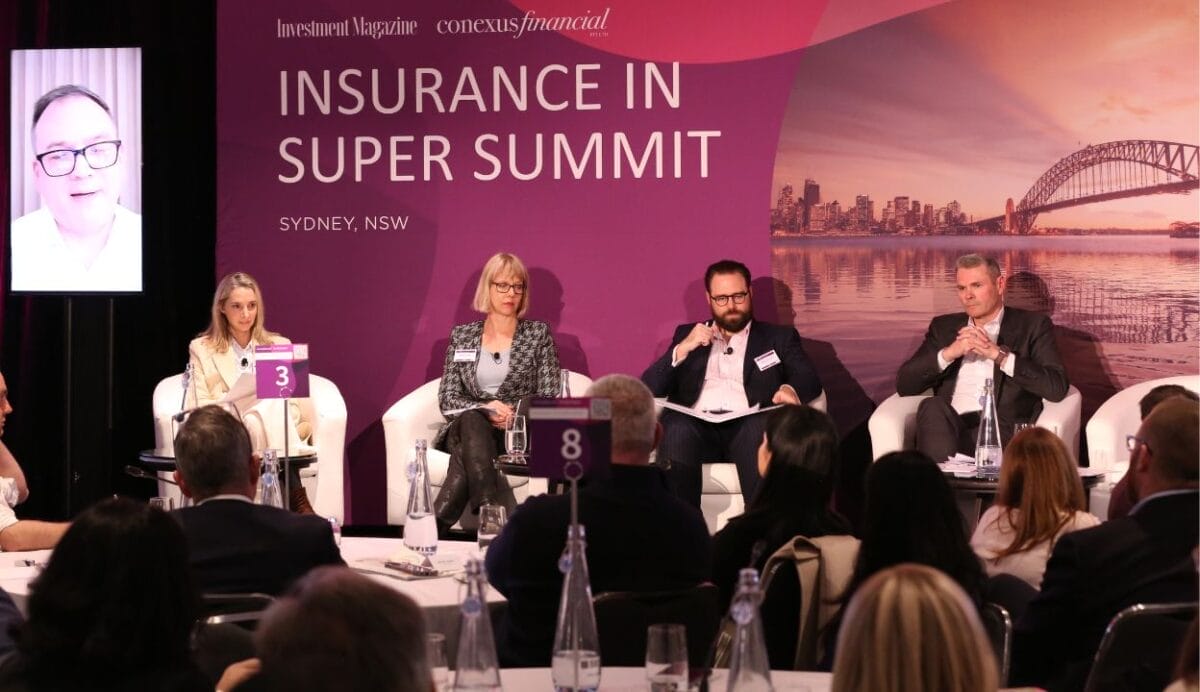
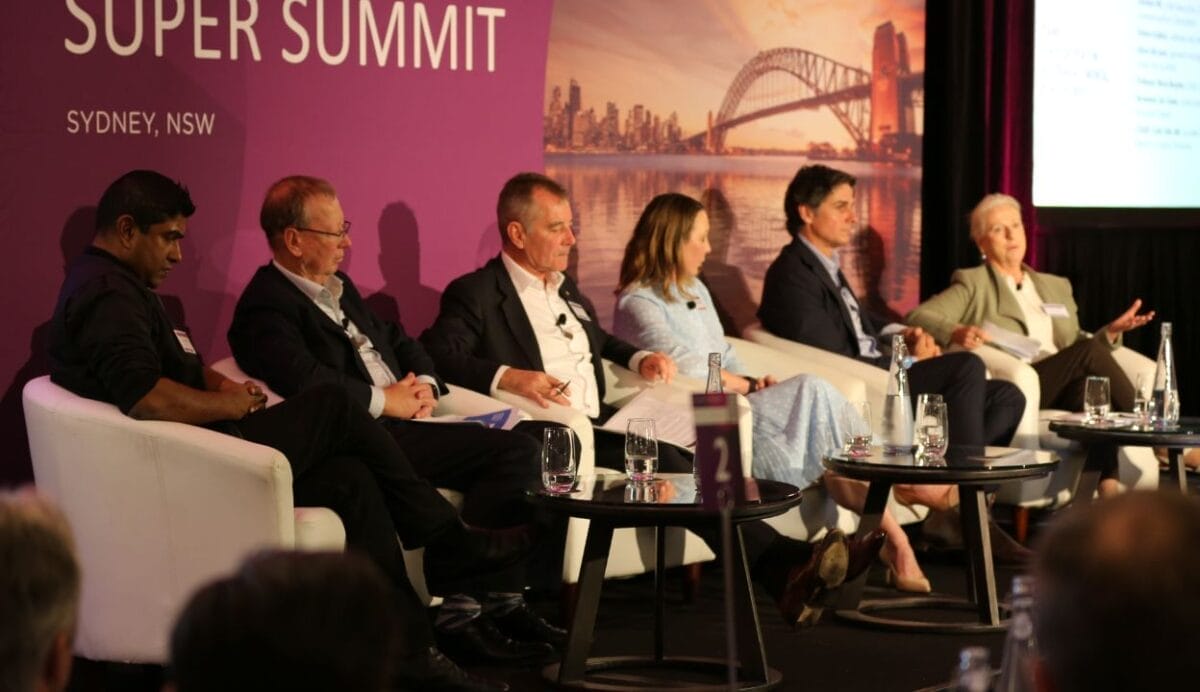
Superannuation fund members are more aware now than at any other time that they have insurance in their fund, but too many still lack meaningful understanding of the cover they have and how to go about claiming on it, the Investment Magazine Insurance in Super Summit has heard.
Super funds face the challenge of not only continuing to raise awareness of insurance, but also what members are covered for, how to make a claim and what to expect when they do. The summit heard that complaints typically arise when a member’s expectations are not matched by the experience of the claims process – in fact, a member is more likely to complain about a claim being delayed than they are about a claim being denied.
Penny Pare, senior manager of insurance for Australian Retirement Trust (ART), told the summit that recent member research shows insurance awareness has grown from “mid-40 [per cent] to mid-60”, but as many as 70 per cent of members who do know they have insurance still have “little to no knowledge or understanding” of the nature of the cover.
Pare said ART has developed annual member insurance summaries and has experimented with tweaking communications to improve engagement.
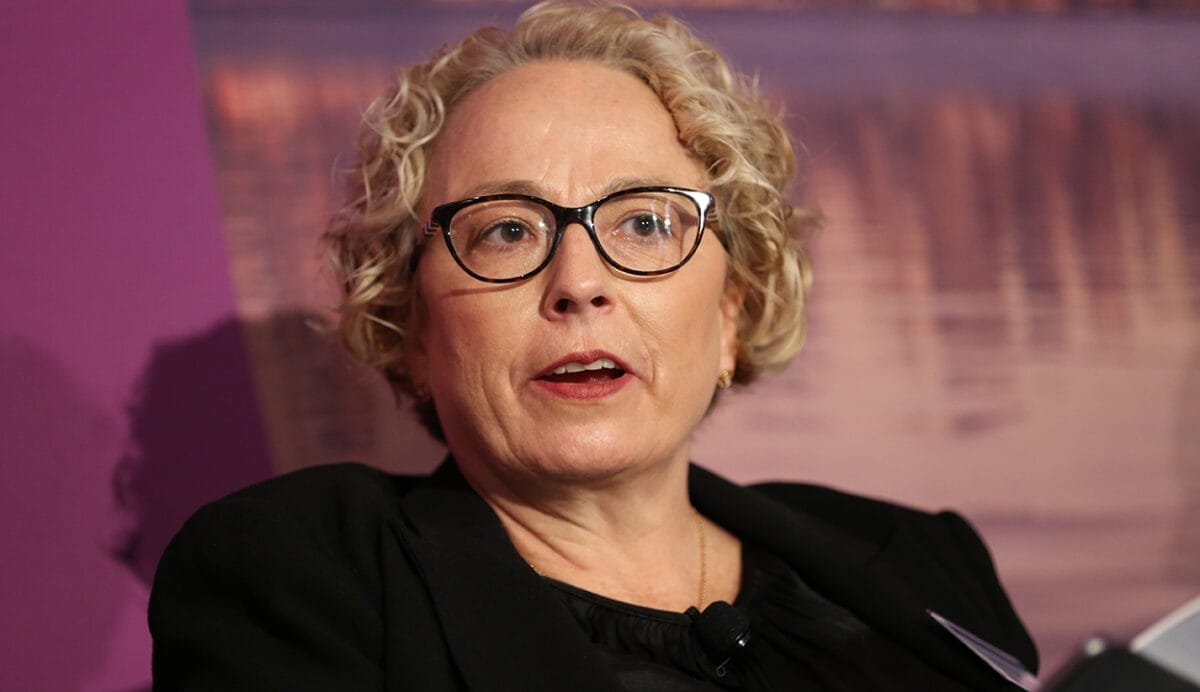
“It was really about putting a call to action in the subject line for a start, so that they know they need to do something, and then making it as personal as we can,” she said.
For example, “if a member’s insurance premiums look to be at risk of potentially eroding their super, we have a calculation that runs through and they get a targeted erosion message on their insurance statement to encourage them to review their super”, she said.
“With some of the changes we’ve made, the open rate is actually not too bad. We have an open rate of about 65 per cent that has stayed consistent. Our click-through rate was pretty low, but with the changes, we’ve seen the click-through rate increase for the welcome summaries by 32 per cent and the annual insurance summaries by 49 per cent just by putting some of those a bit more targeted call to actions or information like that.”
Craig Harrison, director of investments and insurance at Colonial First State (CFS), said that “across every other insurance product that somebody might have – from CTP to car to home – regular, ongoing interaction with the insurance is really important”.
“We’re very much looking at that through a digital lens and a digital journey,” Harrison said.
“Since the launch of the CFS app – and most of the funds in the room will obviously be engaging with their members now through apps – we’ve seen that interaction [has] become by far and away the predominant way that members are engaging with us.
“And it’s through that app that we’re going to be doing our ongoing engagement and education of members and getting that awareness, not only that insurance is there, attached to their account, but then using it as a way of nudging them along the way about getting better understanding of the types of cover and how much cover they might have.”
Good data and insights
Harrison noted that CFS is “still very early on that with that journey, we only just turned on our insurance portal in the last 12 months”, but it’s already producing good data and insights into the types of members that are engaging.
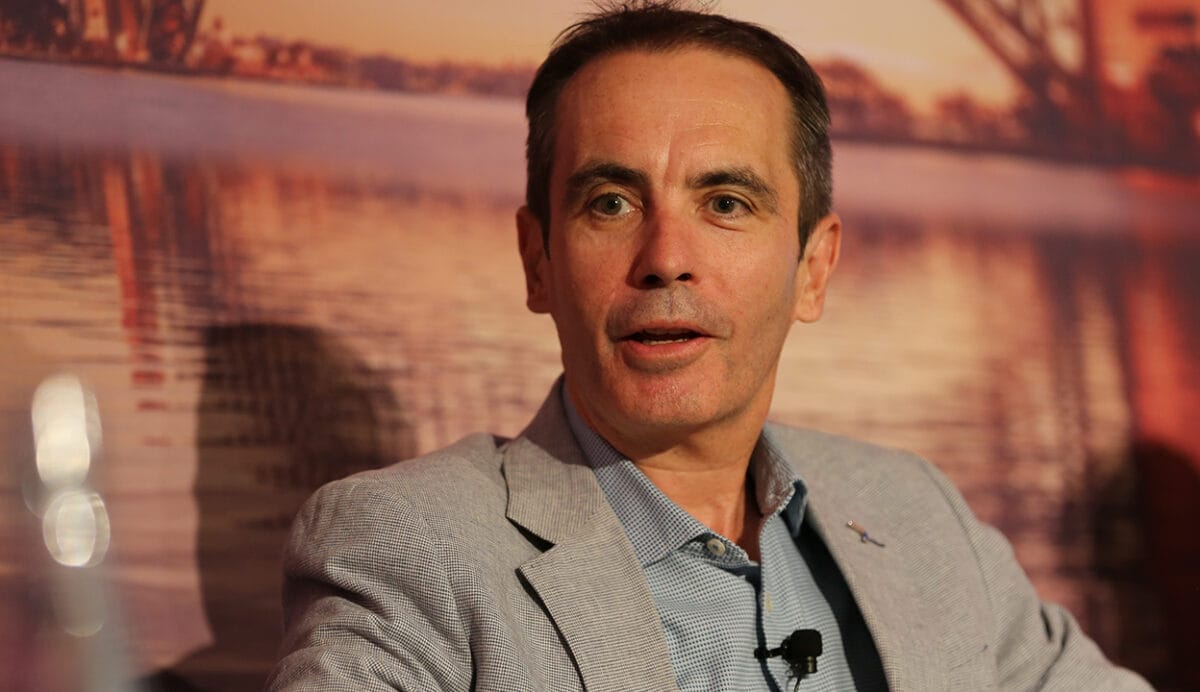
The next step will be to “find the ways that we can encourage them digitally to connect through and to learn more about the insurance they have”, and then developing engagement programs to understand “when the right time is in that member onboarding journey, and then in the lifecycle of the of the member as well…to be re engaging them”
MetLife chief operations officer Olivia Sarah-Le Lacheur said that even after a member is aware that they have insurance in their super fund, when they get to making a claim it can be “a bit of a treasure hunt to find content on the funds’ websites around how to claim, what the process is, and who to engage with”.
“We want them to know what they’ve got, we want them to appreciate the value of it, but we also need to make it easy for them to understand who to call,” Sarah-Le Lacheur said.
“The team that I have in my contact centre [gets] phone calls from fund members every day asking us to help them access their super balance, and we help them navigate to the right location for that.
“Sometimes they’re calling the fund saying I’ve got a question about where my claim is up to, and we have some of our fund clients who are on our new digital platform where everything is visible to the members of the fund, to the fund staff and, of course, to us as well; and to others, where we haven’t yet transitioned them.
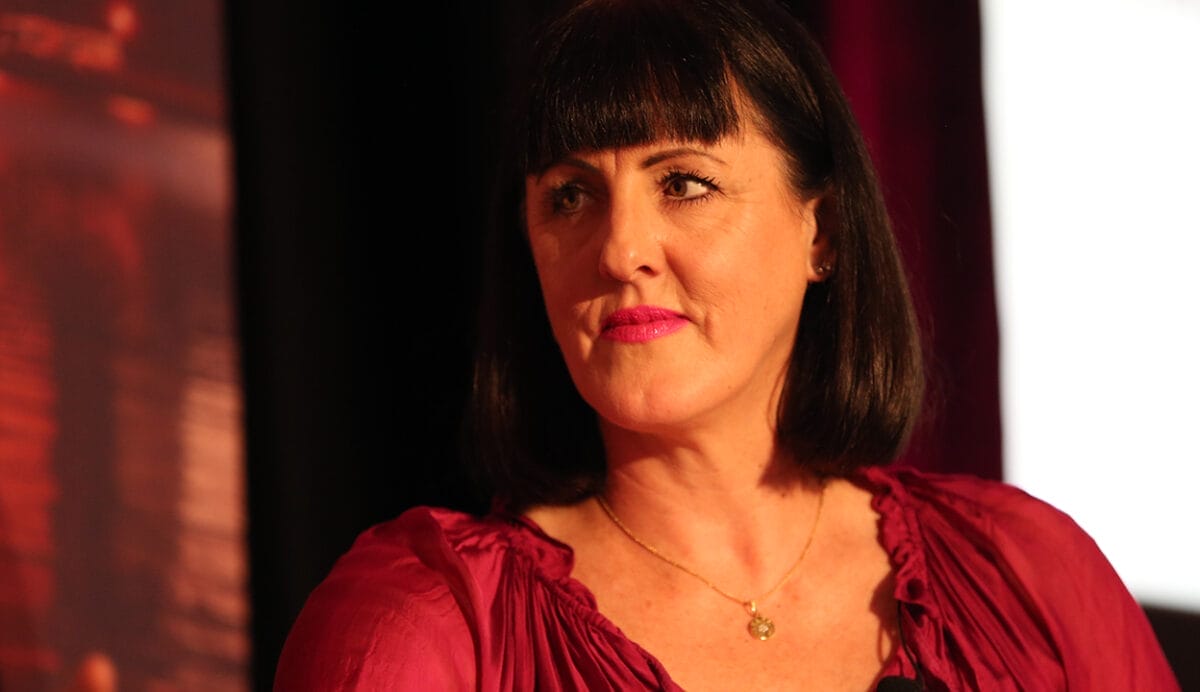
So I think people are generally confused, and it’s particularly because at that time of claim, they are vulnerable. They may be financially vulnerable, emotionally vulnerable, physically vulnerable. We need to be more thoughtful about surfacing up content around claims on fund websites to make it really easy to get to.”
“Most people… will celebrate that they never have a claim, so they may never look at this beautiful content on your website or on the insurer’s website, but it’s important to be accessible at that moment of need.”
Confused about eligibility
John Berrill, principal of law firm Berrill & Watson, said that members are fundamentally confused about their eligibility to make a claim on the insurance they have. Berrill said the real growth in insurance complexity really started when choice of fund was introduced in the mid-2000s, and funds began competing for members.
“Part of the bargaining chip was the insurance offerings, and… that’s increased awareness of the existence of super but it’s created the problem, which is, as part of the bargain, they’re being offered different choices, and in particular they’re being offered choices subject to eligibility criteria,” Berrill said.
For example, “one of the issues with terminal illness claims is, well, from what date do you have to be terminally ill?”, Berrill said.

“You’ve got options. The options are the date you’re actually diagnosed, the date the doctor certified you, or the date you claim. These are things that vary from one fund to another.
“It’s all hidden in the PDS, but you’ve got to navigate your way through this stuff to get it.
“It is becoming more complicated, and there’s undoubtedly going to be changes coming down the pipe with access to eligibility for mental illness cover. There will be, undoubtedly, some restrictions put on mental illness cover for people so there will be eligibility criteria start to pop up on access to income protection or TPD for mental illness claims. It’s going to add another layer of eligibility criteria complexity.”
CFS’s Harrison said getting a claim off on the right footing is critical to setting a member’s expectations.
“It’s when that process isn’t outlined very clearly from the [start], and then there’s additional steps and then additional steps and more information and an additional hurdle and rules that need to be met that frustration can start to build into the system,” Harrison said.
“So one of the things that that we do at CFS is a ‘claims concierge’ service, where every claim that comes through, that claimant will work with one of our trustee reps, where we will go through the claim form with them. We will make sure that all of the information that’s required is captured as part of that and then outline [what] the next steps in that claim process are going to look like and will be.
“That upfront part of a) helping the member, but then b) being really clear as to what comes next and what the expectations are can just help set the claim off on the right footing and reduce that scope for friction and tension to get added into the process which doesn’t really help anybody.”
Pare said ART has started “a digital uplift journey” which includes the capability for a member to notify the fund of a claim and to have a claims manager call them back at a suitable time to take them through the claims process from start to finish.
“Every claimant is appointed a claims manager, and that person sees them through to the for the whole of the claim,” Pare said.
“We’ve also really looked at our website and all our disclosure and our communications [and] the process of really simplifying the process that a member goes through when they lodge a claim, setting expectations.”
In the eye of the beholder
Expectations can sometimes be in the eye of the beholder unless they are set out clearly and explicitly, as Pare said she learned during her own recent experience.
“Late last year, I went through a general insurance claim. I was talking to the insurance company, and they said to me, we’ll call you back ASAP,” Pare said.
“My expectation was that was within the next 24 hours. Their expectation was it was in the next three to five days, and so there was a natural mismatch.
“It’s about setting those clear expectations and then following through.”
Sarah-Le Lacheur said it’s important that it’s not only the claimant who understands the process and next steps, but also the claimant’s family, legal representatives and other stakeholders.
“Any mismatch of expectations by any of those stakeholders makes for complexity in the claims process and using common language between the fund and the insurer,” Sarah-Le Lacheur said.
“One of the best ways to ensure alignment is for the funded insurer to talk about what are the words that we use, what is the scripting that we might follow when we’re talking to somebody on the phone, so that we’re both saying the same thing.
“And then, of course, within the fund and within the insurer, that anybody they talk to is also saying the same thing. Any slight mismatch, and particularly where there are additional parties helping the insured with their claim, can compound the confusion, and it can often lead to delays because of that confusion.”
Berrill said that in his experience as a plaintiff lawyer representing members against super funds, “many people who are claiming, who are looking at claiming, are vulnerable in one way or another”.
“They want someone to tell them, am I covered or not? And then they want them to do the claim for them, or to hold their hand all the way through it,” he said.
“That’s a that’s a challenge for funds to do, particularly as identified by ASIC. And there’s conflicts interest issues around that, too.”






Leave a Comment
You must be logged in to post a comment.