


The following article discusses issues relating to mental health. If it raises issues for you, please contact Beyond Blue on 1300 22 4636 or Lifeline on 131114.
Mental health has been described as a national crisis. More than two in five people aged 16 to 85 have experienced a mental health disorder in their lifetime, and one in five has experienced a mental health condition in just the past 12 months.
The 2025 Investment Magazine Insurance in Super Summit heard that picture is even more troubling for younger Australians, with 38.8 per cent of those aged 16 to 24 having experienced a mental health issue in the past year alone.
Half of all Australians say the cost of living is harming their mental wellbeing. Workplace stress, bullying, harassment and burnout are also on the rise, and claims for psychological injury are climbing faster than for physical injuries.
It can take more than 12 weeks for an individual experiencing a mental health issue to see a psychologist. Mental health spending now tops $13.2 billion annually, and life insurers paid out more than $4 billion in mental-health-related claims in 2024 alone across both retail and group insurance.
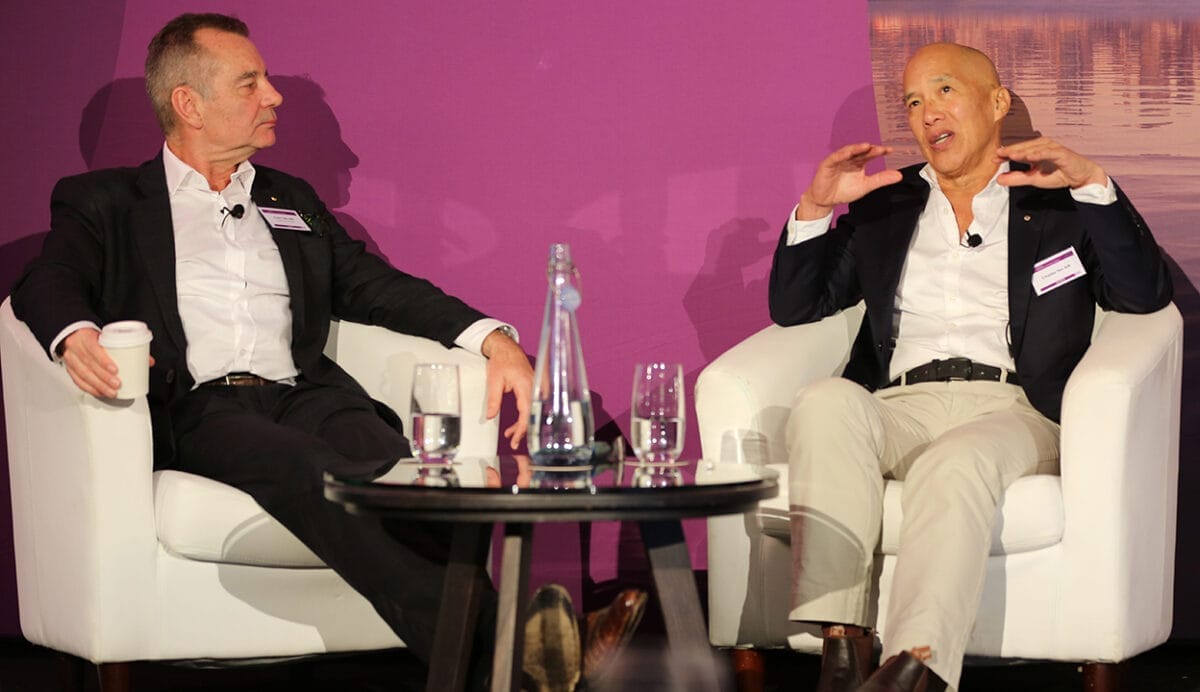
But a panel session at the summit hosted by Conexus Financial founder and managing director Colin Tate AM heard that behind the numbers and the statistics is a human impact and cost.
And while the summit heard that attitudes and responses are beginning to catch up with the reality of how people experience mental health issues, one of the remaining challenges is the generality of the term “mental health” itself.
Alison McLean, general manager of vitality and shared value at AIA, told the summit that experiences vary widely yet all mental health issues tend to be lumped together as a single condition.
“We really need to look at things from a more individualistic level and not have that kind of categorisation,” she said.

“We don’t do that with physical health conditions. We don’t say, ‘Oh, someone’s got a sore back, therefore they’re in the same category as someone with a spinal injury’. We approach those very differently. So why do we do that in mental health?
“When we say we put it in a category of mental health, it’s very different for someone who’s got an acute condition, could be a chronic condition, it could be a trauma-related condition, and there’s also the context of it.”
Beyond claims
McLean said support extends beyond claims processing.
“A huge role that we play… is how do we actually have wellbeing coaches, psychologists, OTs, people with mental health experience to help them navigate the system?” McLean said. “It’s really, really complex for people to navigate at a time when they’re vulnerable.”
McLean said that in the area of mental health, prevention is key, and that starts with building awareness and literacy.
“There is a building growing awareness of mental health in Australia, but in terms of actual mental health literacy, what’s the difference between mental health, mental ill-health [and] mental fitness?
“I don’t think broadly in society people are aware that you need to work on your meaningful social connections so that you have good mental resilience when something goes wrong,” McLean said.
Jon Owen, chief executive and pastor of the Wayside Chapel in Sydney’s Kings Cross, said the issue of mental health is inseparable from social environment people are living in.
“We used to… have a lot more rituals in our society, have a lot more community-based groups,” he said.
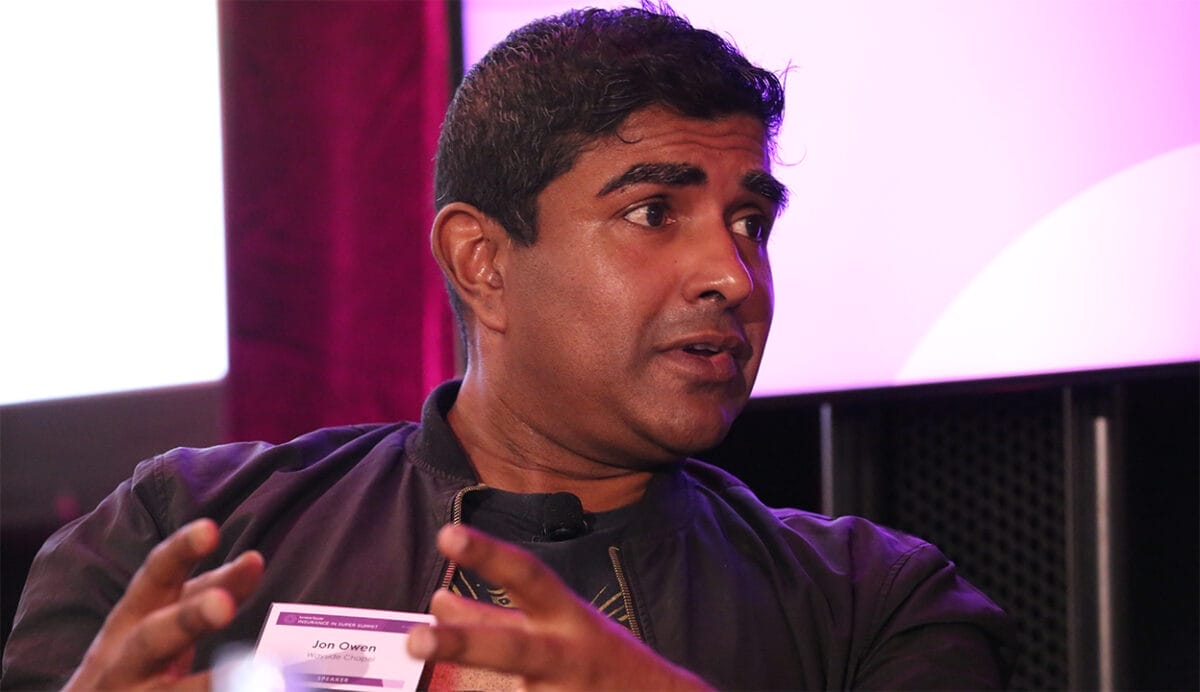
“Forget if it’s faith or not faith. Even mealtimes used to be a time that we would connect and reconnect with ourselves. They were the small, little one-per-centers that we used to engage in that made us focused.
“You know, we’ve lost those little one-per-centers. There are the big connections, and then there are the small connections. And just being able to say hi and have those one on ones are really things that we need to lead and to model and as a generation.”
Wellness expert Sharon Kolkka spent 16 years running the Gwinganna wellness retreat and said she has seen a change in who seeks help and what they need.
“It used to be about weight loss,” she said.
“I can remember having conversations about the strength of the chairs in the dining rooms – you know, that was a really important thing. But over that, time, the number one driver today is probably a word that you would call ‘stress’ now.
“Stress, uncertainty, self-doubt, is the driving cause of people coming, and when you talk about mental health, and this big umbrella that we have on mental health, what I bring it down to, and we’ve talked about connection, but it’s disconnection to self.”
Seen as a luxury
Kolkka believes the public needs to reframe how it thinks about health. There are some specific things that are “non-negotiable for us to be doing on a daily basis, and yet they’re seen as luxury”.
“What health retreats do… is they take people out of the modern world, and they actually help them to reconnect back to themselves and reconnect to the community that’s there,” she said.
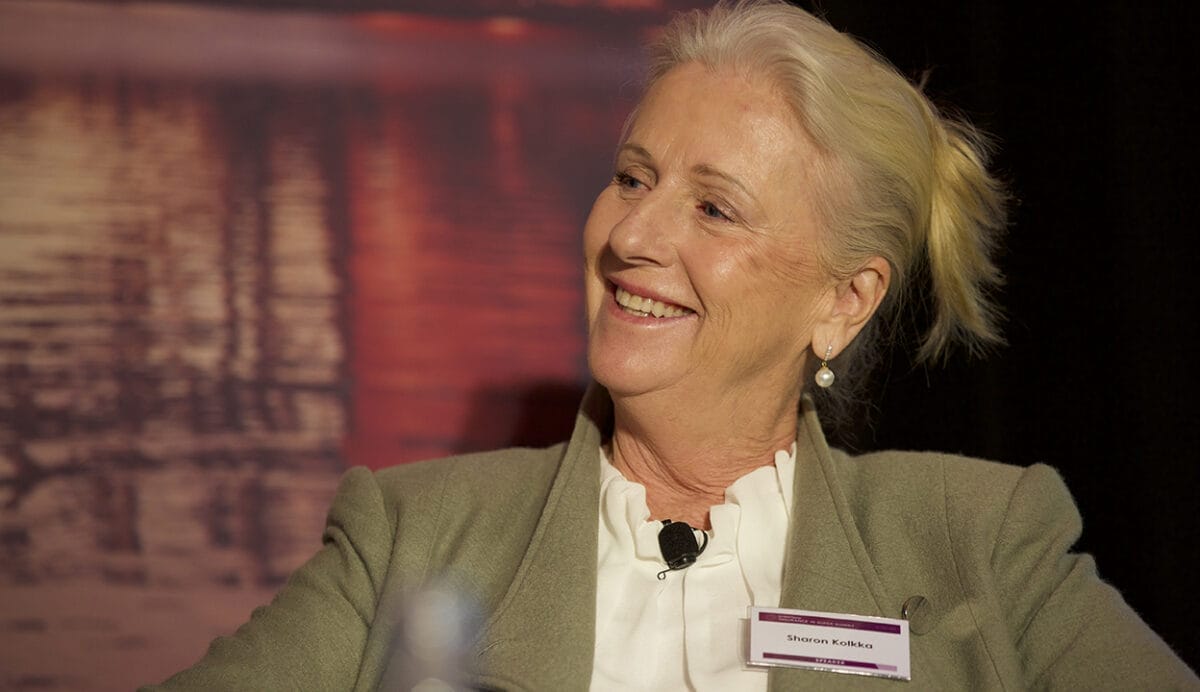
Kolkka said prevention is clearly better than cure and it is not acceptable to “wait for people to break” before acting.
“It is not only not compassionate, it’s not sustainable, and… regardless of whether it’s a physical disease or we’re talking today about mental health, the economic fallout of that is catastrophic,” she said. “It’s not sustainable in any way, shape or form.”
Psychiatrist and Lifeline chair Professor Steve Moylan stressed that system-wide change is still needed. It is difficult to access care and the system is highly fragmented, and part of the reason for that is competition for scarce resources.
“We haven’t yet invested enough in a system to get its capacity up to the level that meets the current demand,” Moylan said.
“If we’re not investing appropriately in mental health, as you flow it through it’s costing significant amounts in TPD, lost productivity, unemployment, family breakdown, early death, early mortality… which gives the permission, I think, for governments to invest in a place where they may not, competing in a scarce environment, been able to have that permission before.”
CSC chief executive officer Damian Hill said delegates at the summit should think of themselves as holding dual roles, not only as employers in their own right but also as organisations that work with large numbers of other employers to support their respective workforces.
“That’s how you’re going to get a multiplier effect in a lot of these things,” he said.
Implications for retirement
Hill noted that the average age of someone becoming permanently disabled due to mental health has dropped from 49 years old in 2013 to 46 years old in 2022. If people are dropping out of the workforce at an earlier age, it has implications for their retirement.
“And so, are we going to continue to go that way, or are we going to intervene?” Hill said. CSC has introduced a psychologist service, along with wellbeing seminars.
“I know there’s the issue about best financial interest duty; when you see some of the statistics and the costs here, it’s there.
“It is financially focused from that side of things, but it’s really picking up the wellbeing aspect. I just ask you to be creative about this and think, okay, what is the concrete step? Try, learn, fail fast and go on to the next thing. That’s the type of culture that you need to have in dealing with these things. We can sit on sidelines but hopefully you being here means that no one in this room is trying to sit on the sidelines.”
Moylan said greater clarity and granularity is needed in assessing and talking about mental health.
“One of the things that mental health suffered from for a long period of time is what I call ‘the benign neglect of low expectations’,” he said.
“We just chuck it all in together and sort of say it’s ‘mental health’. It’s not good enough. We need to get a much more sophisticated and nuanced view of…the characteristics of people who are experiencing things. Because I can say qualitatively, there’s almost nothing similar about a person who’s diagnosed with first episode schizophrenia and a person who is suffering a reactive anxiety because of some other issues, you know. They are as distinct as lower back pain and a sore tooth.”
Moylan said insurers and super funds need to develop greater sophistication around how they diagnose and treat mental; health disorders.
“That’s my call to action: to start to use your power and knowledge to start to get to contribute to that public dialog of sophistication,” Moylan said.
“That’s a really important first step that everyone needs to take.”





Leave a Comment
You must be logged in to post a comment.