


A fund’s insurance offer is a “key competitive differentiator”, according to Melinda Howes, AMP group executive for superannuation and insurance, and can make all the difference when it comes to retaining or gaining customers in both the corporate and personal super space.
“Having a competitive insurance offer, digital tools, competitive premiums, flexibility to cater to various large and small employers… are vitally important,” Howes told the Investment Magazine Insurance in Super Summit.
“It’s very much a key focus for us and for personal customers as well.”
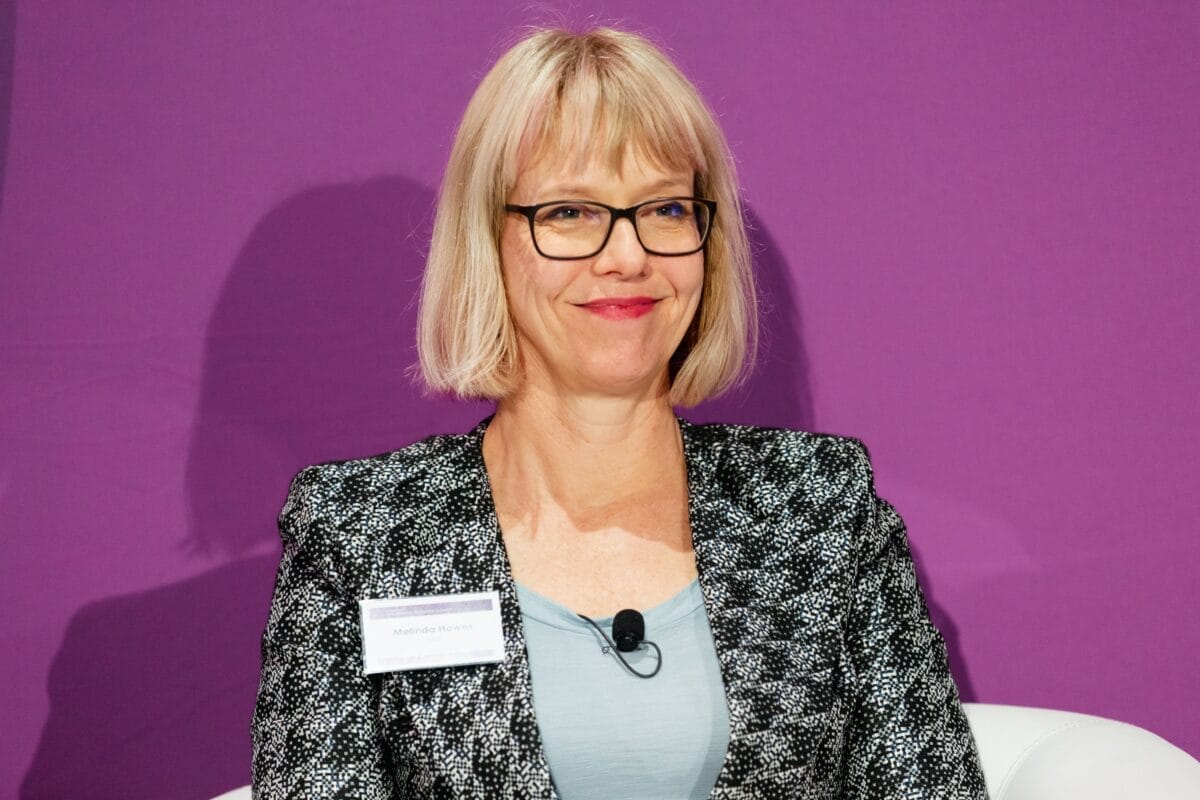
AMP took part in ASIC’s review of death benefit claims handling and thought it would “sail through” – but while Howes said the fund did come out of the experience looking relatively good (given that a headline finding from the review was that no trustees monitored end-to-end handling times), it also did a lot of work to build on the insights it gleaned from its interaction with the regulator.
“The conversation with ASIC was really valuable because we had been thinking about things one way but they were pointing out a different way of looking at things – things as simple as when you measure the timeframe of a claim from,” Howes said.
“From the customer’s perspective it’s when they first contact you…whereas we were breaking it up it into what we did and what the insurer did and starting the clock from when we actually got the paperwork.
“It was quite a valuable process for us to stand back and really look at what we should be doing.”
Insurance is also a way to meaningfully deepen engagement with members in a more competitive market, Howes said, even though few think they’ll ever actually use it.
“People don’t think about insurance and they don’t think about the worst happening,” Howes said.
“But when that does happen we need to be there for those members’ families. The other complication is the member who has access to all the wonderful digital tools is no longer there, so you’re then in a process with an unidentified group and you’ve got to go through all sorts of dramas. So we’re working with our insurer TAL at the moment on whether we can improve that experience and how much of that we can digitise. It’s been quite a journey for us as well through this process.”
But the problems in claims handling uncovered by ASIC lay bare a narrow and sometimes myopic focus on key metrics that can obscure what market participants should actually be doing – and it’s incumbent on funds and insurers alike to improve member experience, according to Fiona Macgregor, TAL group chief executive and managing director.
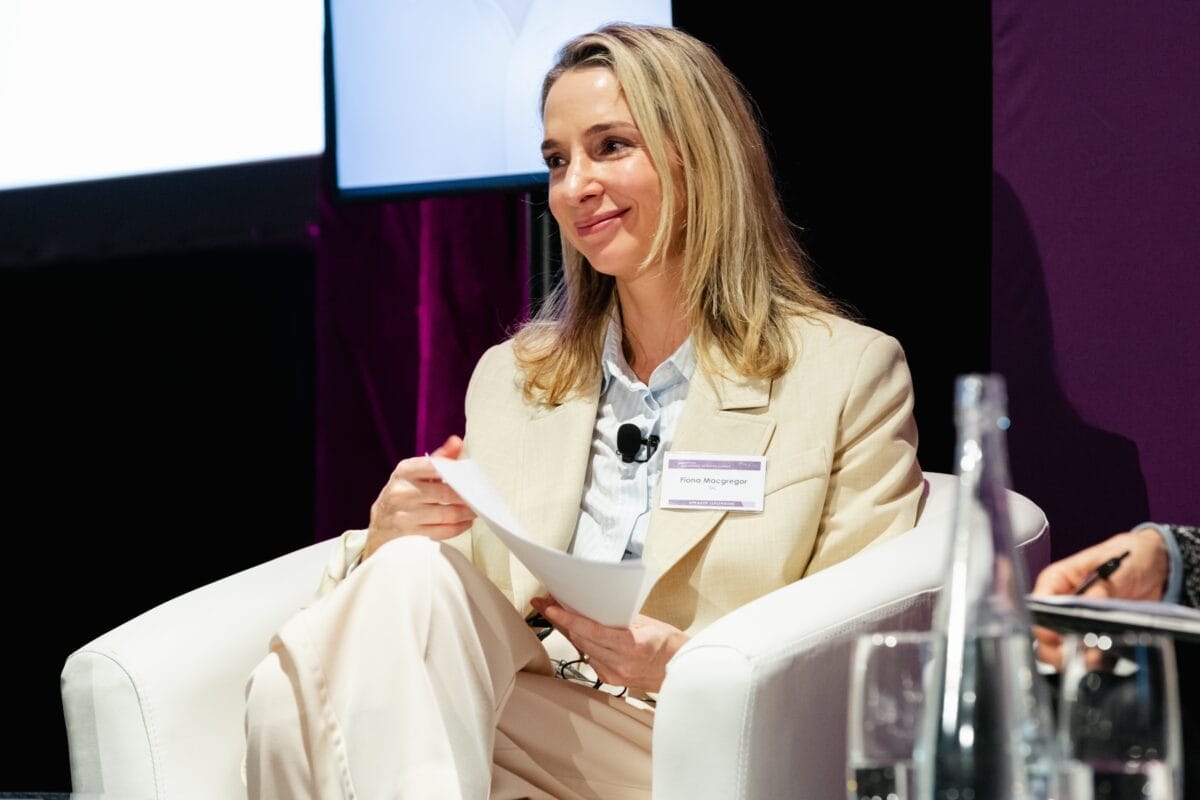
“I think all financial services industries have been guilty at some point of ‘measuring the bits’,” Macgregor said.
“There’s only really one metric that’s worth looking at and I think all of us who play a part in that member journey have got a lot better, and some of the constructive challenge has helped that.
“We’ve gotten a lot better at making sure we’re all focused on that metric, not just our piece of it, and we’ve now got our eyes on any outliers where one claim can blow out and go too long – we’ve got a lot more attention on that, in our case, all the way up to the board, and we measure and look at that. So we’ve got an important role to play in making sure we make that member experience as frictionless as possible.”
But while TAL has the lion’s share of the group insurance market, it’s facing down sophisticated and hungry challengers and the pressure is always on to demonstrate value.
“We’ll rightly be judged on how we show up every day and play the right part in that member experience. So we don’t take that for granted. I’ve put my focus on investing ahead,” Macgregor said.
“What do we need to be investing in? A few years ago it was cyber and all our work around digital, but what do we need to be doing so that we remain and keep evolving and stay relevant because trustees and fund partners rightly always have a choice and need to do what’s right for their members.”
Meanwhile, Zurich Australia CEO Justin Delaney said that nearly a quarter of Australians retire early due to a disability or to care for somebody with a disability, and that the industry needs to tell its story better and “demonstrate the role that it plays in the broader disability sector” – something that has increased in importance with the pressure on TPD claims and the rising number of mental health claims.
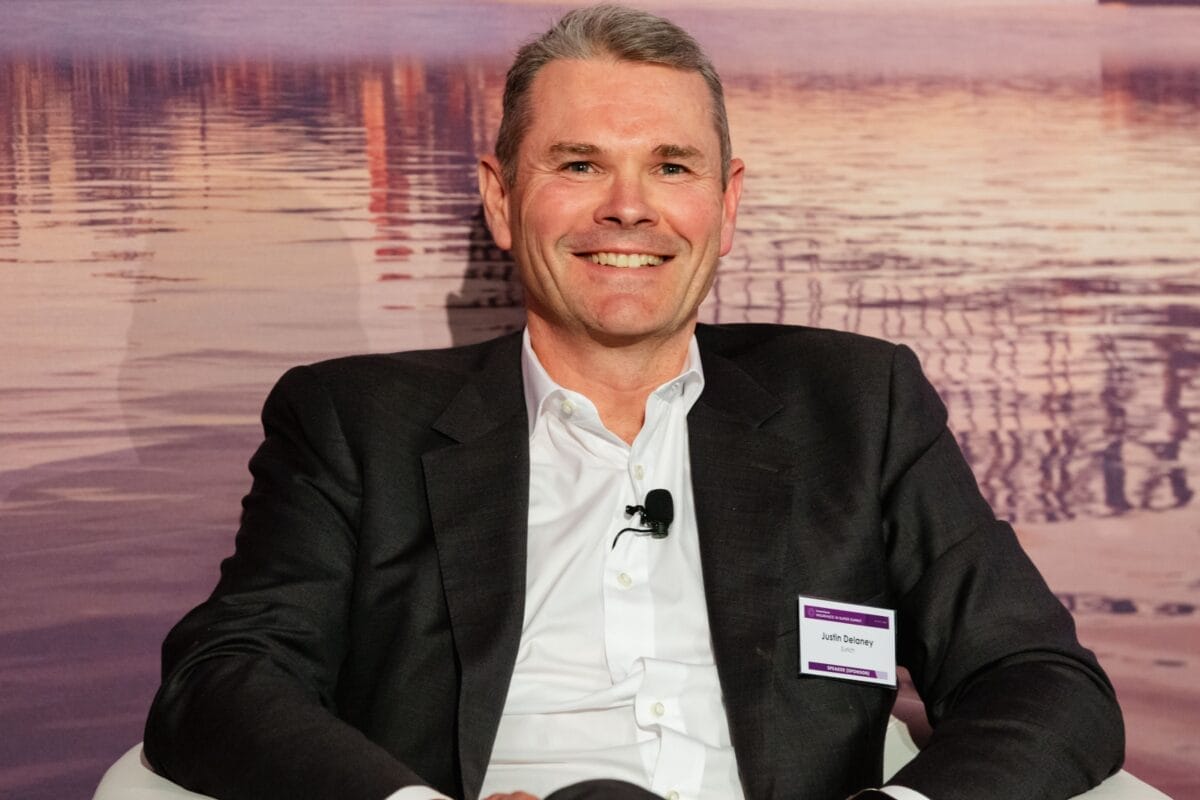
“I think as things currently stand, we do have to see some change in terms of product structures and our approach to TPD, particularly just given the shifts that we’ve seen in societal expectations, which I think are really positive in terms of approach to mental health,” Delaney said.
“But the products and services we’ve provided and particularly the way (mental health) works from a trustee perspective, and interaction with the SIS Act, means it’s not necessarily fit for purpose, particularly the lump sum nature of TPD when it comes to mental health.”
But if you “step back”, group insurance is still an incredibly efficient system, Delaney said.
“But with that macro efficiency does come some inefficiency at the member level,” Delaney said. “That’s the trade-off, in terms of the fact that it’s default, and so many members might have more cover than they, in theory, would need, or less or a different benefit mix.
“So as we think more around where we should be investing and what we’d like to see change, from a group insurance perspective I think it’s addressing that personalisation issue. And I think we’re hopefully entering a time where there will be some regulatory change to enable us to provide advice or support to customers or members into the future.
“And if you combine that with some of the technology changes that we’re seeing, I do think we should be optimistic about the opportunity we see for group insurance moving forward to be incredibly efficient at the macro level but to also start to drive that level of personalisation that’s really important.”
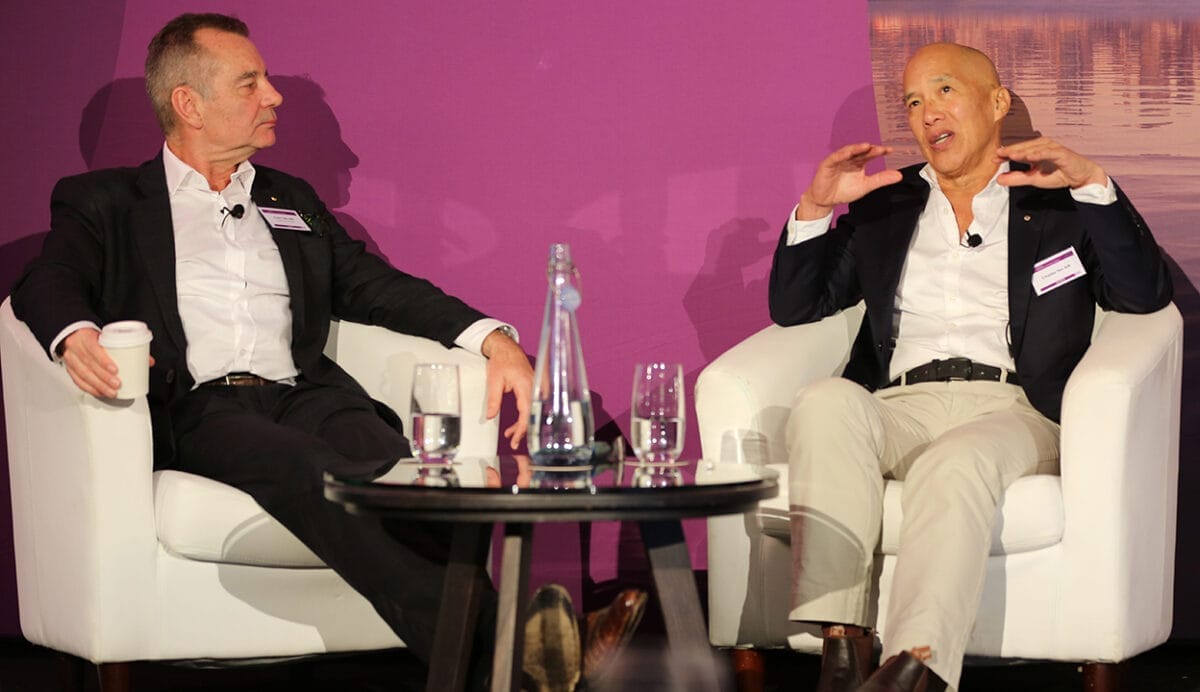
In the same session, Cbus CEO Kristian Fok issued a mea culpa to members affected by delays in processing death benefits and TPD claims as the fund continues to clean up its administration and member services problems, in his first public comments since an appearance before the Senate Economics Reference Committee in November.
“What we experienced, and some others in the industry, was absolutely horrific in terms of the experience that our members received at a time when they absolutely needed us,” Fok said.
“It was something that came to my attention pretty quickly as I took on the CEO role; it wasn’t necessarily one of the first things that was as visible to me early on, but its significance was pretty apparent after looking at what was going on on the ground and hearing the issues that were bubbling up.”





Leave a Comment
You must be logged in to post a comment.