


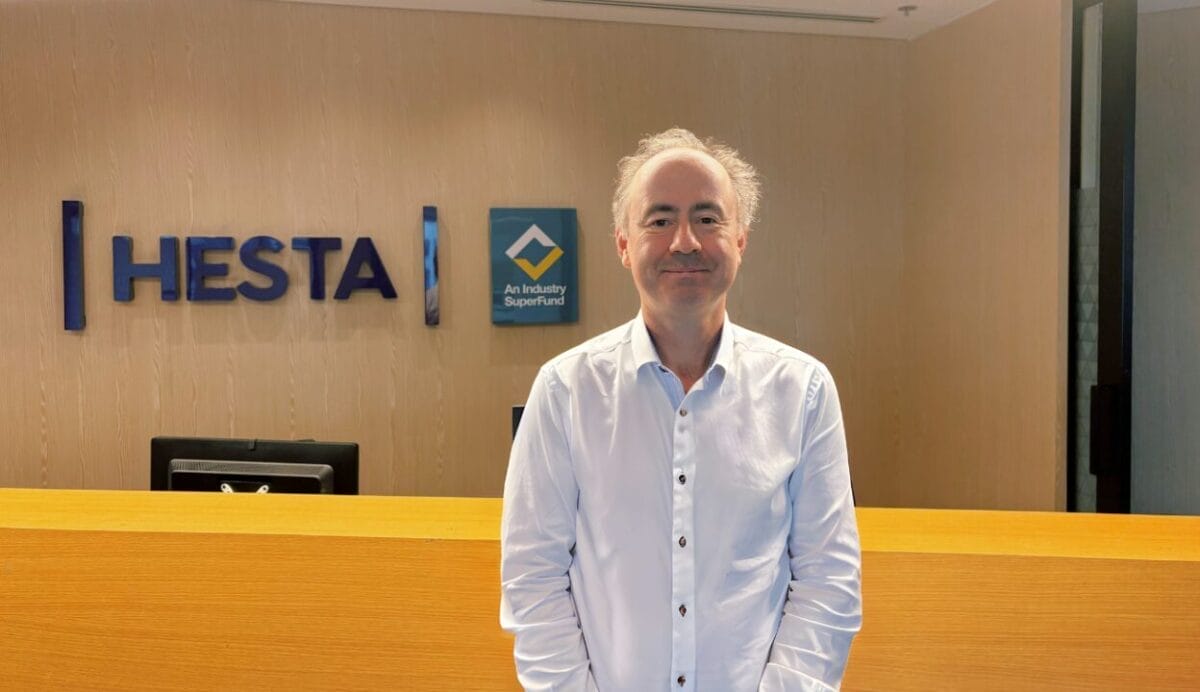
HESTA is laying the groundwork for a more systematic framework for using AI across its total portfolio, solidifying use cases in research, forecasting, risk management and private assets that all centre on the objective of allowing the $98 billion fund to “see risks earlier and clearer”.
But with a huge number of potential AI applications in investment and only limited resources to implement them – being a profit-to-member fund – HESTA is striking a careful balance of identifying areas where it can add the most value while introducing the least complexity to its operations, says head of portfolio design Dianne Sandoval.
“AI is not really going to give us a magic formula for higher returns, but it just gives us a better pair of glasses,” Sandoval, who is set to speak at the upcoming Fiduciary Investors Symposium in Victoria on 21 -23 October, tells Investment Magazine.
“It has the ability to accelerate our understanding of factor exposures in absolute terms, but also cross asset classes and really understand the liquidity and dynamics, which ultimately gives us just sharper insights on how to navigate uncertain markets.”
Data ingestion and processing are two elements of research and forecasting where AI can make an outsized impact. Some use cases at HESTA include scraping the internet for information that can inform early forecasts on job-growth data from its economists; and forecasting long-term S&P 500 returns using neural networks.
The technology can also extract changes in soft languages in financial reports that may, for instance, indicate an improvement or deterioration in sentiment around issues such as responsible investments, and which HESTA uses to monitor companies on its watch list.
“With research or risk analysis, with stress testing, with data mapping and cleanup, AI can do it much more efficiently because it’s repetitive and rules-based. But the judgment and analysis still sit with the team,” says Sandoval.
In private markets, AI is handy in capital-call management which has taken an “egregious amount of groundwork and [been] very tedious”, she says. “Even things like cleaning up background checks and pulling data out of dusty PDFs that have forced us to do capital calls manually, AI does that much more efficiently.”
But human-driven principles remain, especially in private markets where Sandoval says AI cannot yet replace investors conducting due diligence, in things such as measuring trust or the character of a management team and its ability to perform.
Before moving to Australia, Sandoval held senior roles in some of the world’s biggest and most complex asset owners, such as CalPERS and Saudi Arabia’s PIF, and she says AI integration, like any change management, often takes time.
“There’s obviously an upfront cost in doing this, and that’s why – in order to justify that – you really have to be thoughtful and cognisant of how I get the lowest hanging fruit,” she says.
“And costs matter. Anytime I can reduce costs or reduce operational inefficiency, that’s a huge benefit for members as well.
“Once you get through all of those, then you could start adding the higher value-add that takes more time, effort and institutional buy-in.”
The ultimate item on Sandoval’s AI wish list is a structure that would allow HESTA to see its total portfolio all at once – including patterns across markets and asset classes – so that should another ‘Liberation Day’-style shock occur again, the fund can map its key positions, protect the portfolio and add some tactical positions.
During the market turmoil in April, HESTA was able to make some trades with the liquidity it had on hand, adding to equity risk and trading FX as the Australian dollar collapsed. But there were too many moving pieces: its total fund management system SimCorp tracks the total portfolio exposures, but is separate from the risk- and liquidity-management systems.
“We did that by coming together all in a room and using different systems. With AI, if all of these systems are more and more integrated, you would reduce some of the manual processes we had to do during those moments and make decisions even faster,” Sandoval says.
“We’re not at that point, we’re mapping bits and pieces of processes, but when we can get an efficient risk map into our analysis and our key positions, as well as potential opportunities, that’s when we’ll see the whole field at once.”







Leave a Comment
You must be logged in to post a comment.