
With the AI thematic and increasing digitalisation driving investment into data centres and other pieces of digital infrastructure, asset owners need to be alive to technological change that could make today’s powerhouse investments obsolete.
“We’re talking about and trying to price stranded asset risk,” Justin Pascoe, head of portfolio construction and execution at Cbus, told the Investment Magazine Fiduciary Investors Symposium in Healesville.
“When you’ve got Nvidia’s chips upgrading on an 18 month cycle – and it depends on the kind of asset you’re buying – but there’s the potential that in five years’ time this wonderful data centre you bought has been completely superseded by something else and nobody wants to buy it – so it doesn’t quite fit in the infrastructure portfolio in that regard. For an infrastructure investment the time horizon of that should be a little bit longer.”
But the data centre segment is also “huge church”, according to Funds SA deputy CIO Cameron Sinclair, consisting of everything from small “carrier hotels” – where equipment, space, and bandwidth are available for rental to retail customers – to edge data centres and the hyperscale assets being snapped up by private equity investors.
“That diversity is not a new thing; it has been in the industry for decades, but it’s been in different parts of portfolios. It’s been in venture portfolios, private equity, infrastructure, where we’re seeing the winners and the big headlines and big numbers emerge again, because this is a growth asset class now – or it is in hyperscale, where you’re seeing the big headlines,” Sinclair said.
“I won’t hazard a guess as to where all of this leads, but I think if you go back to basic supply and demand and think about what you believe in as an investor – ‘do we think there is going to be greater demand for data centres in the future?’ – the answer, to put it out there, is yes; but buyer beware as to what you buy and at what price.”
With equity markets highly concentrated in a handful of AI-related themes – and those same AI-related themes driving the explosive growth of data centres – some asset owners are now scrutinising their portfolio to determine where they might have exposure to common risks across asset classes.
Pascoe said Cbus has recently undertaken an exercise where the fund’s investment committee looked at the total portfolio exposure to AI.
“They said we’re not exposed through cash, but there is some in the private credit part of the portfolio, property, infrastructure, global equities – and we’ve also got certain companies here in Australia that are exposed to that theme,” Pascoe said.
“If you’re an active manager you might be underweight the Mag Seven, but in the belly of your portfolio – the real asset part of the portfolio – you’re probably overweight AI. So you need to ask ‘where is the best risk-adjusted way to play it?’ rather than just saying ‘I’ve got this bucket in real assets that I have to fill’.”
But William Scott, head of real assets at Commonwealth Superannuation Corporation, said that, when considering common risks across their portfolio, asset owners needed to take a discerning view of data centres and their exposure to AI and growth.
“Your exposure to AI growth and equity could be as low as triple net lease of 15 years for a cold shell to Microsoft. Microsoft is AAA rated credit, so you’re probably pretty confident of that investment reaching target return. In terms of obsolescence, you’ve rented a cold shell so you’re in a good position to repurpose that for other things if you want.
“But that goes all the way to the other end of the spectrum, where you’re a start-up data centre developer, looking to get land and power and make money by flipping that quickly to someone who will then contract it. That’s super exposed, because even a change in the rate of growth of AI demand will dramatically affect the value of that pipeline. There’s a really big range of exposures to the AI risk you can get even within data centres.”
Doug Rowlands, senior director of client portfolio management at Invesco, said that the thematics powering data centre growth were, to varying degrees, independent of those in equity markets; customers like a “medical centre in Denver or a shopping centre in northern Spain” still need them, regardless of what’s going on in equity markets.
“We do own data centres… and we are mindful of the obsolescence risk and the fact that it’s a fast moving market. We’re not heavily in the space – we’re looking at land where there’s the backstop of an alternative use: it might be in the logistics space, where the returns look great. But there is also this massive supply shortage, and power in Europe is particularly hard to come by.
“If you can get it, and you’ve got the land as well, the upside can be huge. Are we going to develop it into a hyperscaler? That’s probably somebody else’s job – but we can still crystallise a fantastic return.”

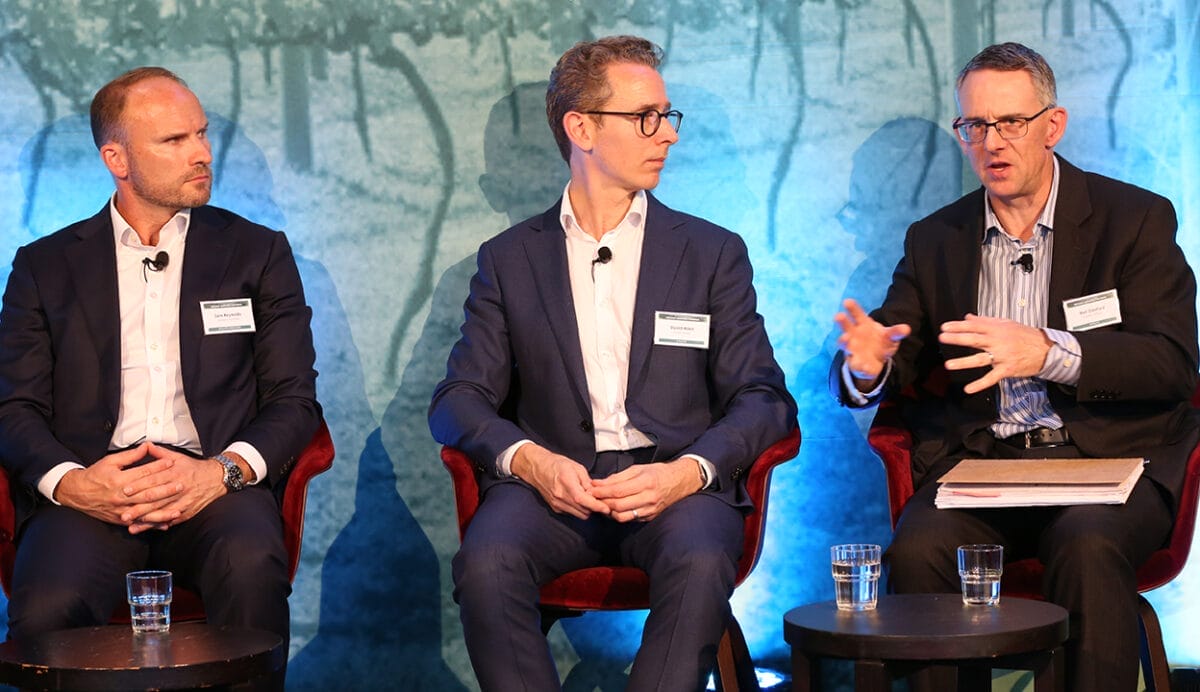
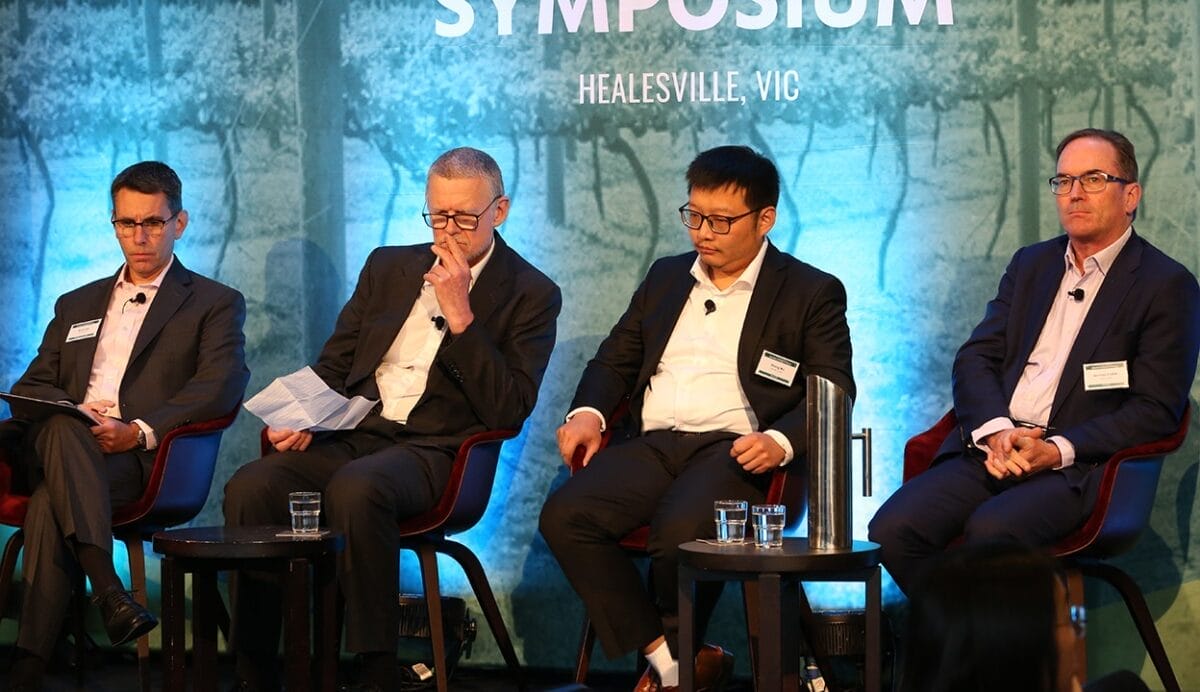
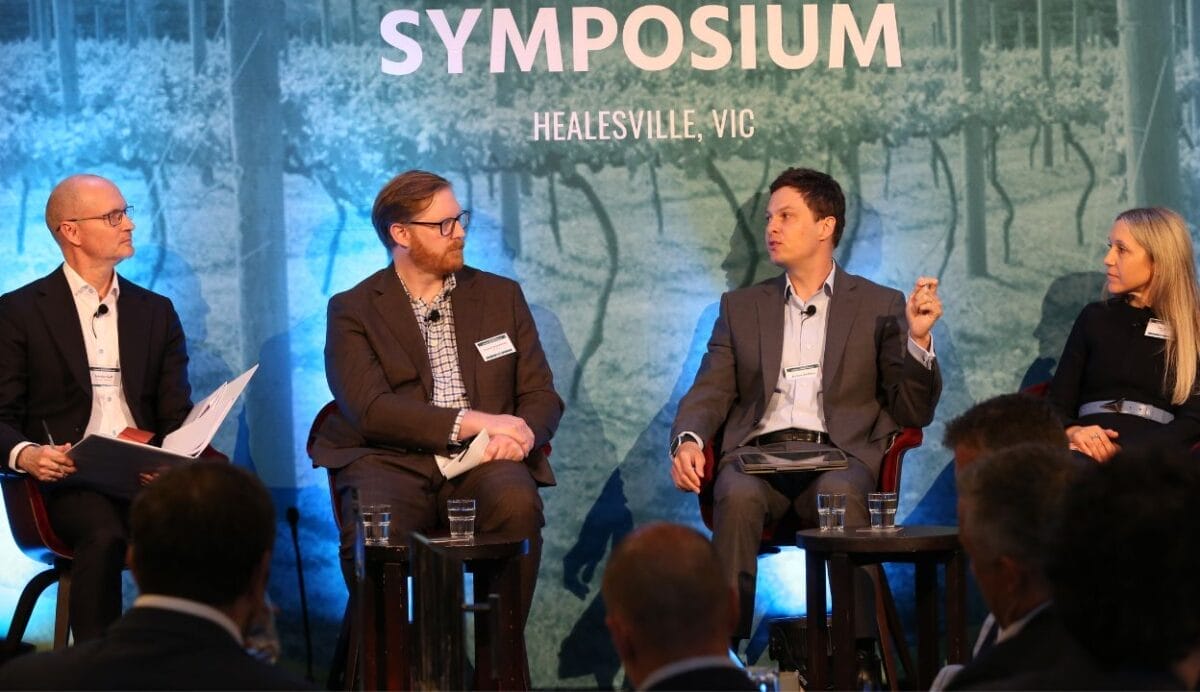
(L-R): Doug Rowlands, William Scott, Justin Pascoe, Cameron SInclair.

04/11/2025
invesco, Cbus, commonwealth superannuation corporation, CSC, Funds SA

2025 Fiduciary Investors Symposium VIC
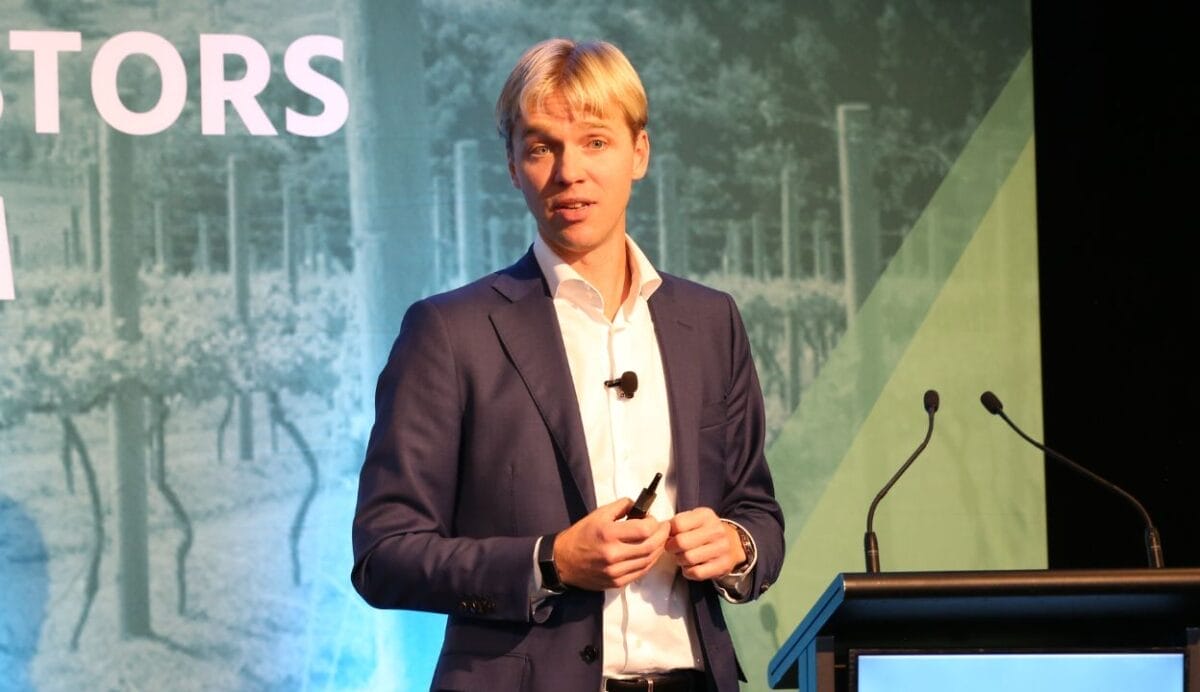
Climate investing is here to stay, Robeco says – but while the direction remains the same, “the pace is changing”. Asset owners want decarbonisation, but they want alpha too.





Leave a Comment
You must be logged in to post a comment.