


Rising geopolitical tensions and macroeconomic instability are pushing asset owners to revisit hedge funds as a tool for greater portfolio resilience, even as they grapple with long-standing issues around benchmarks, performance and costs.
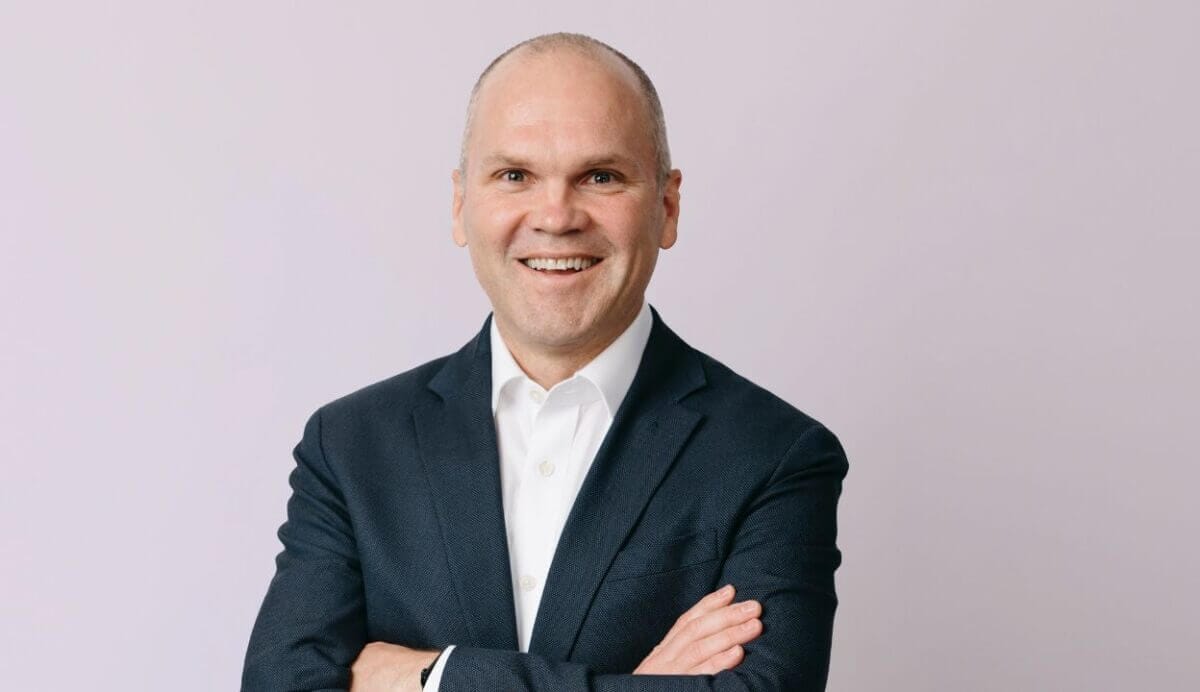
Andrew Whittaker, QIC investment director, strategy and implementation, said the $131 billion firm had overhauled its hedge fund strategy over the last 12 to 18 months to back more idiosyncratic or skill-based managers.
“We think that the world order has changed,” he said on a panel to discuss hedge funds at the Fiduciary Investors Symposium at Healesville, citing macro trends including deglobalisation, demographics, sustainability, financialisation and tech disruption.
“We’re trying to prepare our portfolio for a number of different scenarios. We think hedge funds are part of the answer here in a highly uncertain world which is characterised by asset class volatility and asset class dispersion.”
The future environment is likely to include higher inflation and lower growth, while public equity valuations imply modest future returns, he said.
Expanding hedge fund strategies
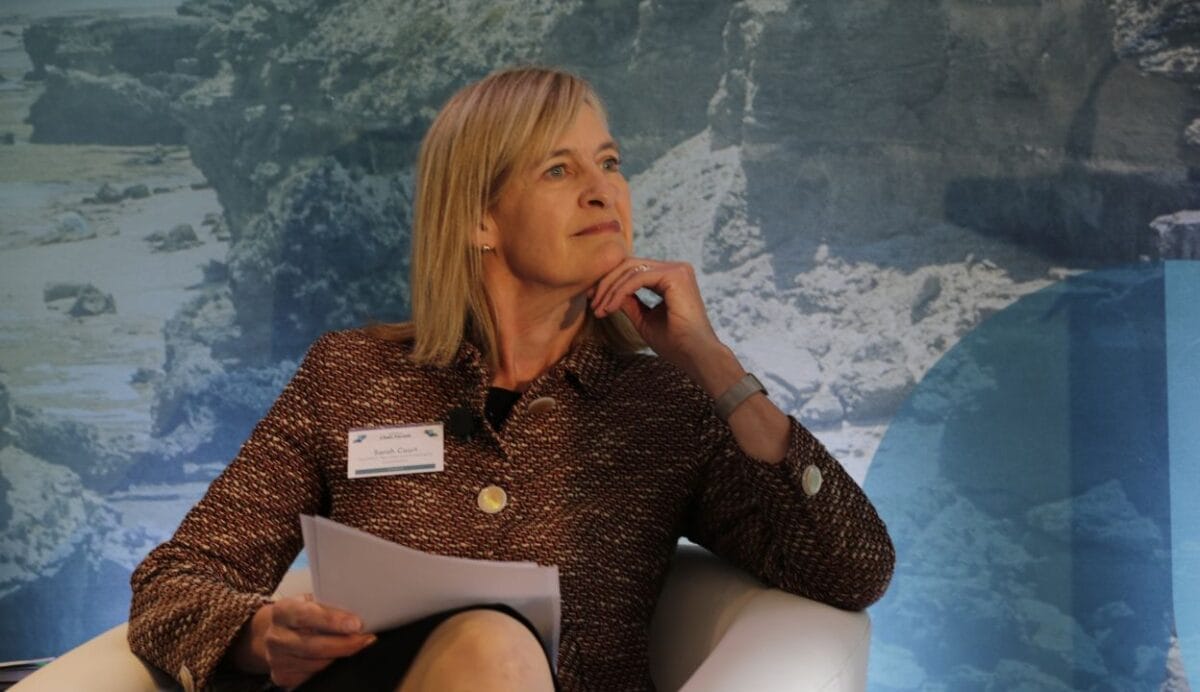
NGS Super’s hedge fund strategy initially began as an all-weather strategy aimed at delivering extra diversification and higher returns during sustained equity market drawdowns but now includes more diverse strategies.
“We’re seeing these really quick recoveries and lots of whip sawing and so I think it’s important to start to protect portfolios against more of that type of behaviour,” said Carson Drummond, NGS manager, liquid alternatives.
Markets have rebounded quickly from events like Liberation Day downturn and the 2023 SVB crisis, he said.
“Traditional hedge fund diversifiers like CTA macro, they’re not good at catching the really sharp spikes, which is why I think there’s a greater importance at the moment to go towards the more convex long-vol type strategies that can sort of hedge the hedge in a way. You don’t have to pay up as much as you think, actually, to get that kind of more reliable protection rather than just the statistically diversifying protection.”
NGS Super had also appointed managers to take advantage of secular trends, including a carbon manager focused on the energy transition and a long-short manager focused on the healthcare sector to take advantage of aging demographics.
Tackling regulatory constraints
While QIC is looking towards the asset class to generate an uncorrelated risk-adjusted return stream, super funds like NGS Super are bound by an extra complicating hurdle: the Your Future Your Super performance test. It benchmarks alternatives against equities and cash – the assets that hedge funds are attempting to diversify portfolios away from.
It is a key consideration that limits NGS Super’s liquid alternatives portfolio allocation to about two per cent, according to Drummond.
“There are some other ways that we’re exploring to potentially increase that allocation by introducing things like portable alpha,” he said. “Effectively you can turn any hedge fund strategy into portable alpha and mitigate that benchmark risk just with a derivatives overlay. It is better if you can get the manager to do it and find more capital efficient ways to do it.”
The relatively higher fees that many hedge funds charge was a secondary constraint.
“If I went to the board and I said I found this hedge fund that’s being given 15 per cent every year, but they’re charging three and 30 plus look through, that’s going to be a pretty hard sell, just because no one wants to be fourth quartile in fees.”
Seeking alpha at a fair price
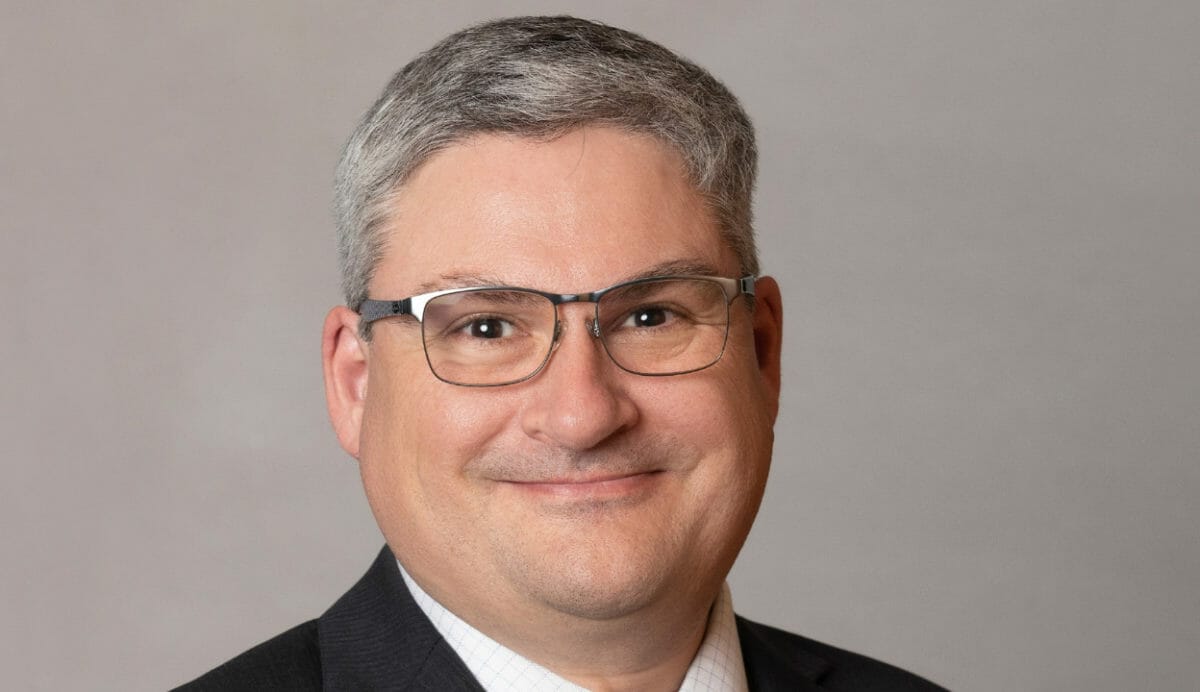
Katie Petering, BlackRock managing director, head of investment strategy for multi-asset strategies and solutions, said there were multi-strategy hedge funds in the market today that were increasing their fees and lock ups because they were generating significant alpha.
However, there were also “some great market neutral, highly diversified, daily or monthly liquid portfolios that have never gated in 20 years that you can get for one and 20 or 69 and 10 or a flat fee of 125, so very, very reasonable fees for idiosyncratic, uncorrelated, orthogonal alpha for the whole portfolio, and with a great, long track record of consistency and adding value.”
BlackRock tends to choose hedge fund programs that are highly diversified and market neutral.
“Essentially, if you can select a portfolio of hedge funds that are additive and complementary to each other, that have low correlation to each other, that are market neutral, that systematically eliminate macro risk and factor risk and style, risk and beta from the portfolio – that is a great combination and will give you the properties that you’re looking for as a multi-asset investor.”
She said it was important to clearly define the utility of a hedge fund in a portfolio, such as high alpha, risk mitigation, portfolio diversification, was important before then looking at the hedge fund characteristics and building a portfolio.
Whittaker recommended investors be aware of what they own and why they own it.
“We’re going into hedge funds eyes wide open. We see a lot of alpha or purported alpha, but it’s really beta masquerading as alpha. So be careful of what you own and why you own it.
“The quantitative evidence would suggest that you have to pay up. You have to pay the fees to get that top quartile hedge fund return. And there’s a big disparity between a top quartile hedge fund manager, which can give you a Sharpe [ratio] of four, and a bottom quartile hedge fund manager which gives you a Sharpe minus 2.7.”












Leave a Comment
You must be logged in to post a comment.