


Superannuation assets in Australia represent almost twice the nation’s GDP, a testament to the success of Australia’s superannuation system, but this also raises questions about the sector’s outsized influence over the domestic economy and share market.
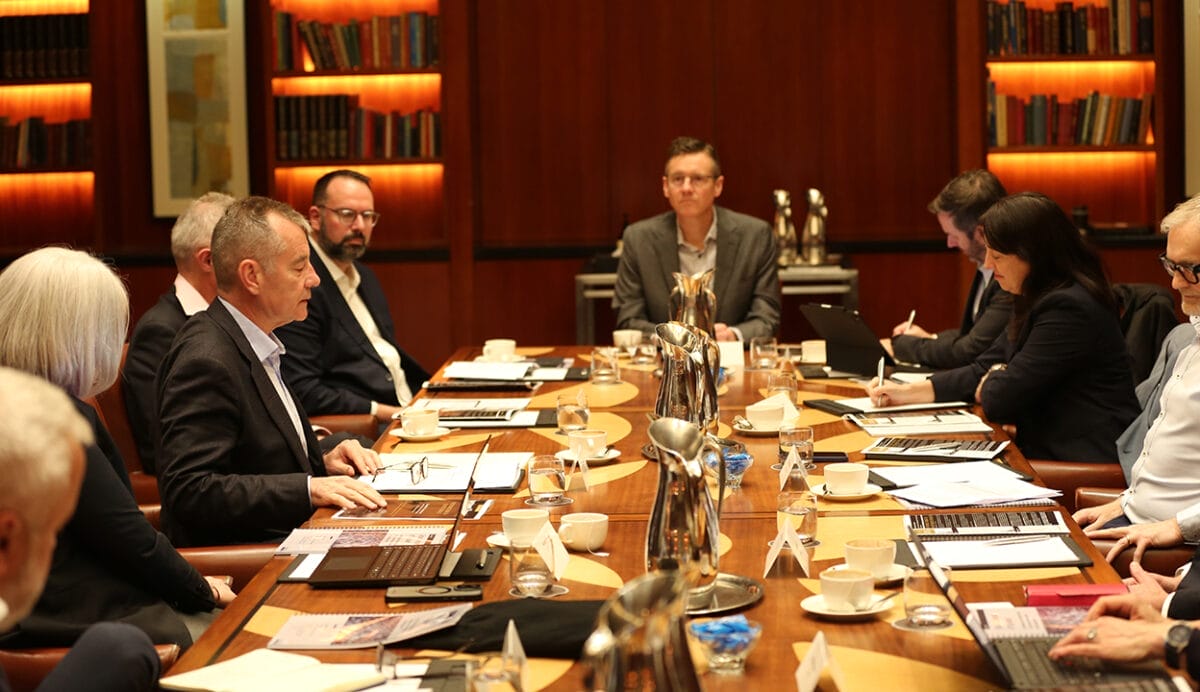
At a recent roundtable hosted by Investment Magazine, in partnership with The Conexus Institute and Northern Trust, some of Australia’s leading superannuation executives and commentators gathered to discuss the systemic risks facing the superannuation industry and the investment impact of global mega trends including AI and technological advances, deglobalisation and demographic changes.
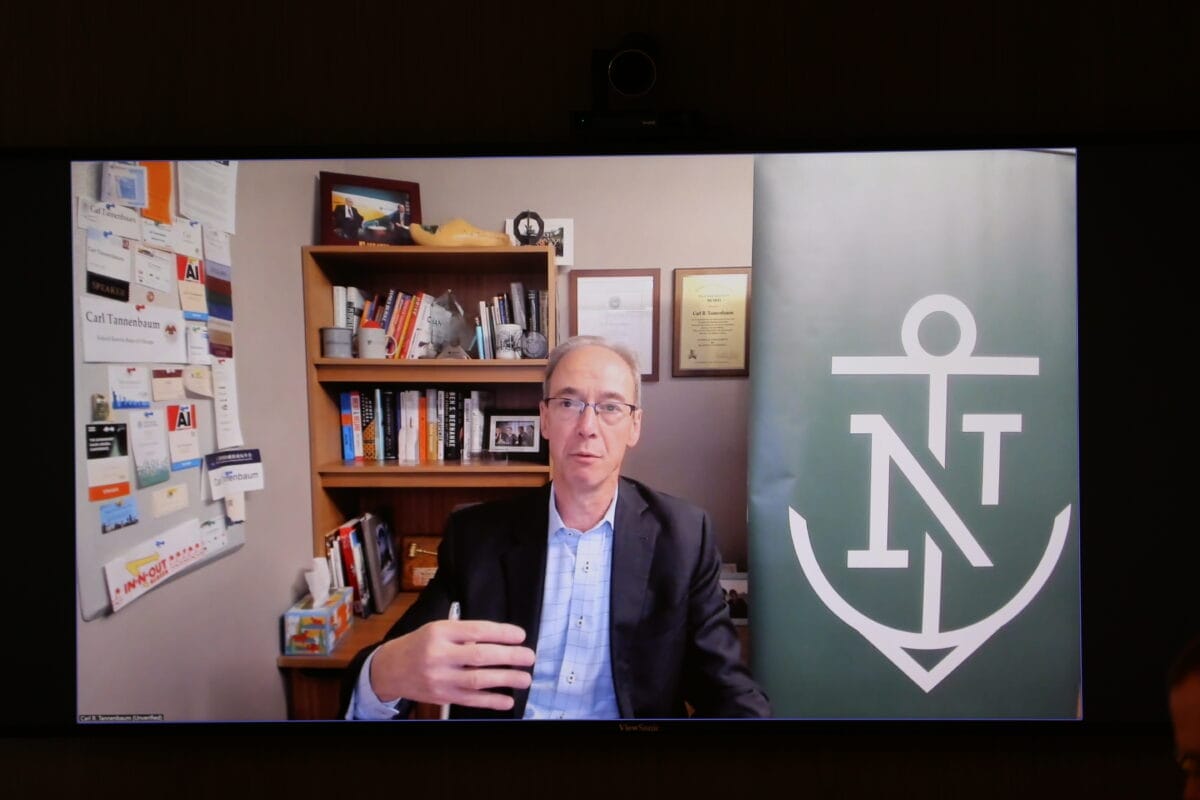
According to Carl Tannenbaum, chief economist at Northern Trust, there are four key considerations for super funds when it comes to systemic economic risk. Firstly, the rise of protectionism and the US retreat from globalisation, which he described as the “great unwind”.
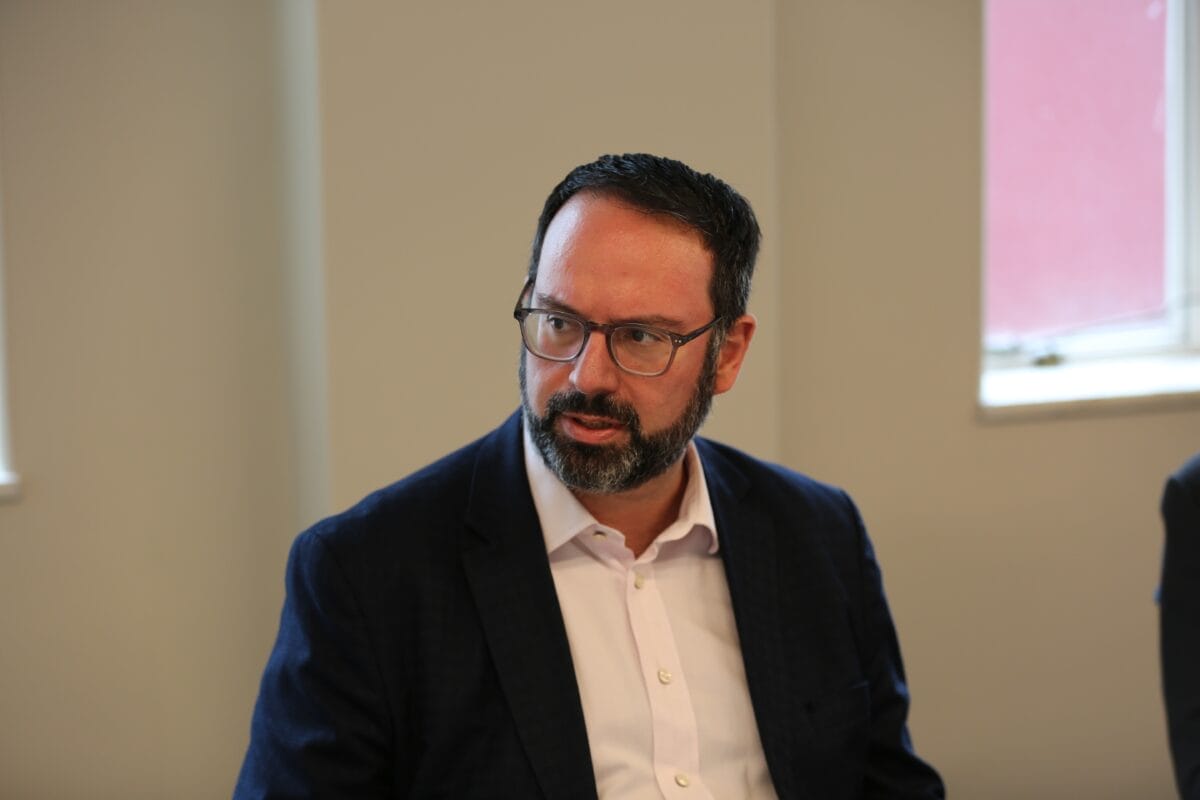
“Uncertainty surrounding global trade and the volatile situation between the US and China are causing companies to be very hesitant about making investments and if investments aren’t made, returns aren’t reaped, productivity isn’t gained and market multiples are not justified,” he said.
The second consideration is fiscal stress, which Tannenbaum said had reached “fever pitch” in several countries, although Australia remained in solid shape with relatively low debt levels and a AAA credit rating. This offered Australia a “degree of flexibility” and potentially served as a magnet for international capital.
Thirdly, ailing productivity growth, exacerbated by weak immigration and falling birth rates – particularly among OECD nations – and, finally, AI and its potential to transform businesses and boost productivity.
On the topic of US protectionism, AMP deputy chief economist, Diana Mousina said that the impact of tariffs had yet to be fully felt, with the corporate sector buffering consumers from their full brunt.
She cited relatively stable US CPI as a sign that tariffs had potentially been less inflationary than expected, emphasising that the true impact would take time to flow through.
“The US economy is actually doing pretty well, and consumers are still spending,” Mousina said.
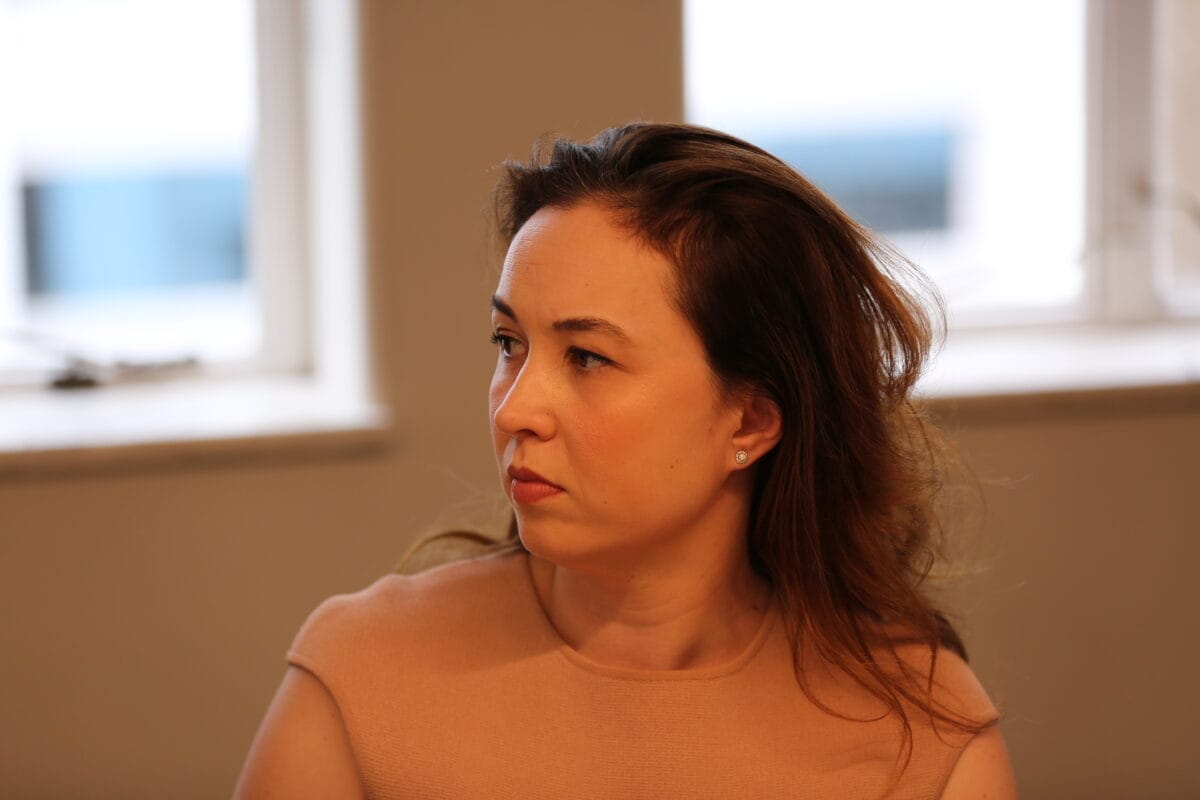
“The labor market is weakened but it’s not collapsing, and the share market doesn’t seem to care. Profit growth is still incredibly strong, and the AI companies are not impacted.”
“Our view is that the US economy can keep tracking along at a decent clip, no recession, and although earnings will soften, it’s from ultra-high levels.”
But David Goodman, lead economist at Aware Super, said the adverse impact of US trade policy, while not yet reflected in the data, was having a psychological impact on businesses, which may become more conservative.
“We see a larger impact in terms of uncertainty because in this kind of chaotic policy environment it’s difficult to make decisions and that may constrain businesses more than the tariffs,” he said.
“We’re slightly more downbeat than the consensus view of the US. We’re talking about a Fed that, [based] on its own forecasts, expects to miss its inflation target for eight years and I don’t think that’s quite sunk in yet. Maybe this is a structurally different inflation environment and, as a long-term investor, we’re currently looking at those structural drivers.”
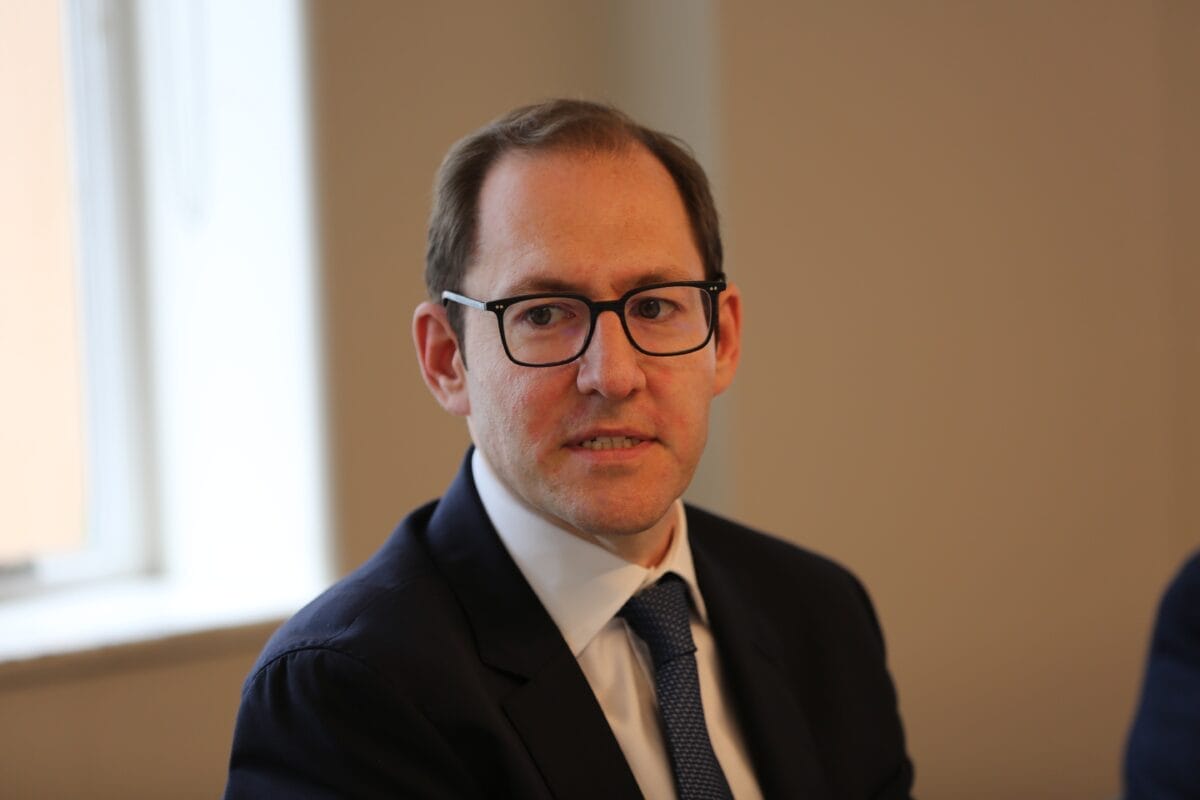
Given the high exposure that Australian superannuation funds have to the global economy and share markets – particularly the US, which accounts for around 70 per cent of the MSCI World Index – Geoff Warren, research fellow at The Conexus Institute and honorary associate professor at Australian National University, said a sustained period of market losses posed a major systemic risk, even if of low probability.
Echoing some of Tannenbaum’s concerns, Warren said factors like the retreat of globalisation, demographic changes, fiscal incontinence and geopolitical tensions increased the probability of such a scenario playing out.
“There’s a lot of focus on tariffs, but something broader is happening. The breakdown of the global order might act to reduce growth and boost inflation, and could be accompanied by political blow-back,” he said.
“A really dire situation would be a hot war, which is unlikely but not impossible. Another possibility is that tight labor markets and lower immigration stemming from popularism lead to a shift in the corporate profit share and wage share.”

AI and valuations
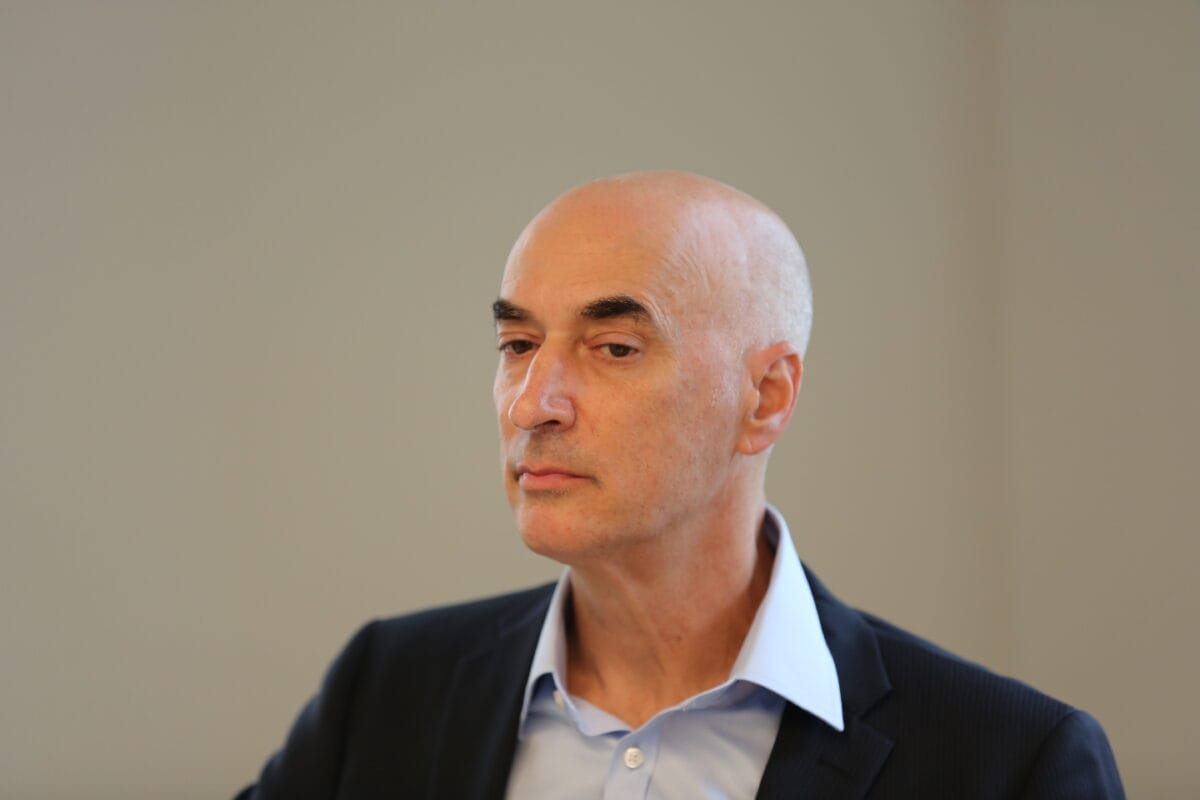
Warren also raised concerns that the capital pouring into AI investments may not yield the returns that many investors expect.
“All these things together could add up to a scenario where the pressure on the system manifests itself in weaker profits, higher inflation, higher interest rates and a significant market correction,” he said.
“Maybe it’s not that exact combination of factors. Nevertheless, we need to think hard about systemic risks in super in global as well as local terms because things get very messy when markets go down.”
Steve Gamerov, head of diversified portfolio management at MLC Super, identified “extremely expensive” US equity valuations as one of the biggest risks facing asset owners, as they had underpinned average returns of around 8.5 per cent for super funds over the past 10-15 years.
“If you take where we are today as a starting point, and you can debate if current valuations are sustainable or not, the forward-looking projections are a lot more modest for equities” he said.
“There’s a big risk that people will be disappointed with the outcomes from super but, then again, we’ve been saying this for a while.”
Major liquidity events
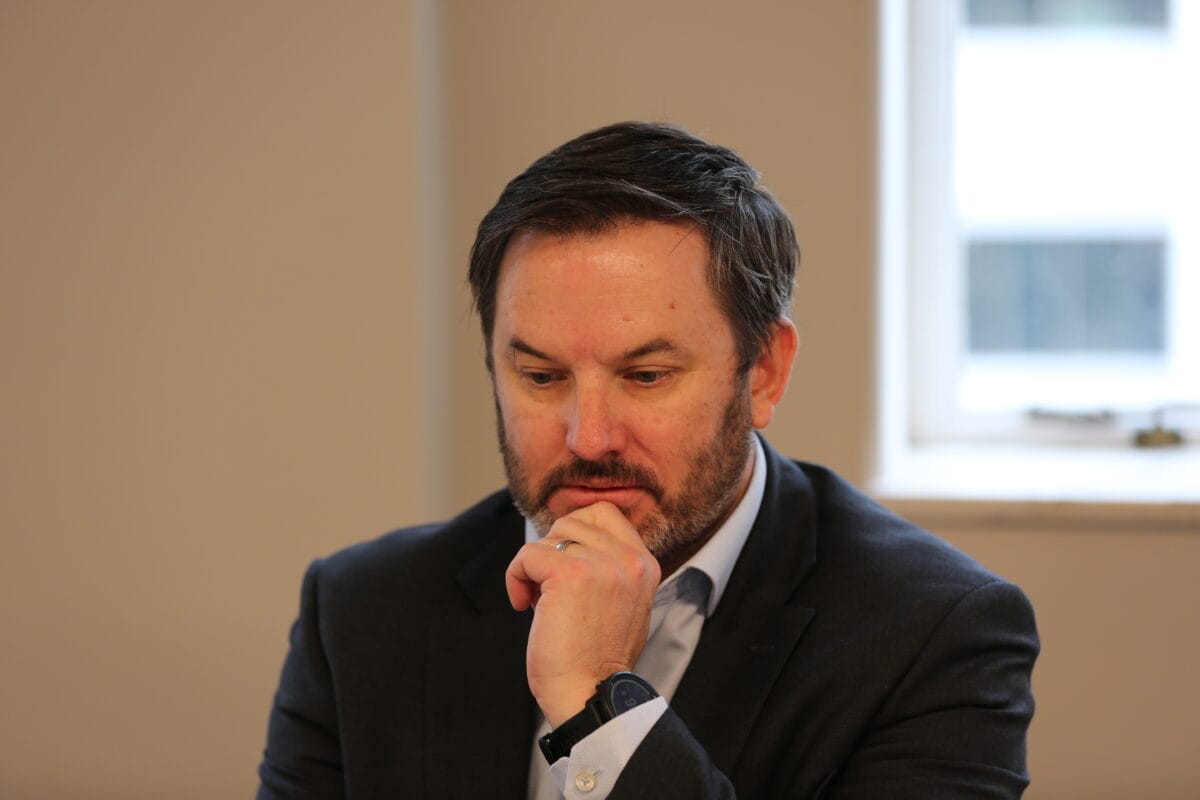
Leigh Gavin, chief investment officer at Cbus, pointed out that the early release of super scheme and elevated levels of super switching during Covid-19 tested the liquidity of funds.
“Early release was a difficult challenge and to prepare for the next downturn or crisis, we need to assume that things that we’ve never seen before could happen and retest all of our assumptions,” he said.
For some funds, proposals to give first home buyers early access to super to pay for a home deposit are a real concern, given the country’s housing affordability issues.
With around 2 million members, of which approximately half are under 30, Rest is well positioned to represent the interests of younger Australians navigating today’s housing and retirement landscape, according to James Merlino, Rest Chair and independent Director.
“Proposals such as giving first home buyers early access to super to pay for a home deposit highlight the importance of being clear about the role of super,” he said.
Prior to the May 3 election, Merlino conceded that the Coalition’s ‘Superannuation for Housing’ proposal did cause the fund to think long and hard about the potential implications for Rest’s members.
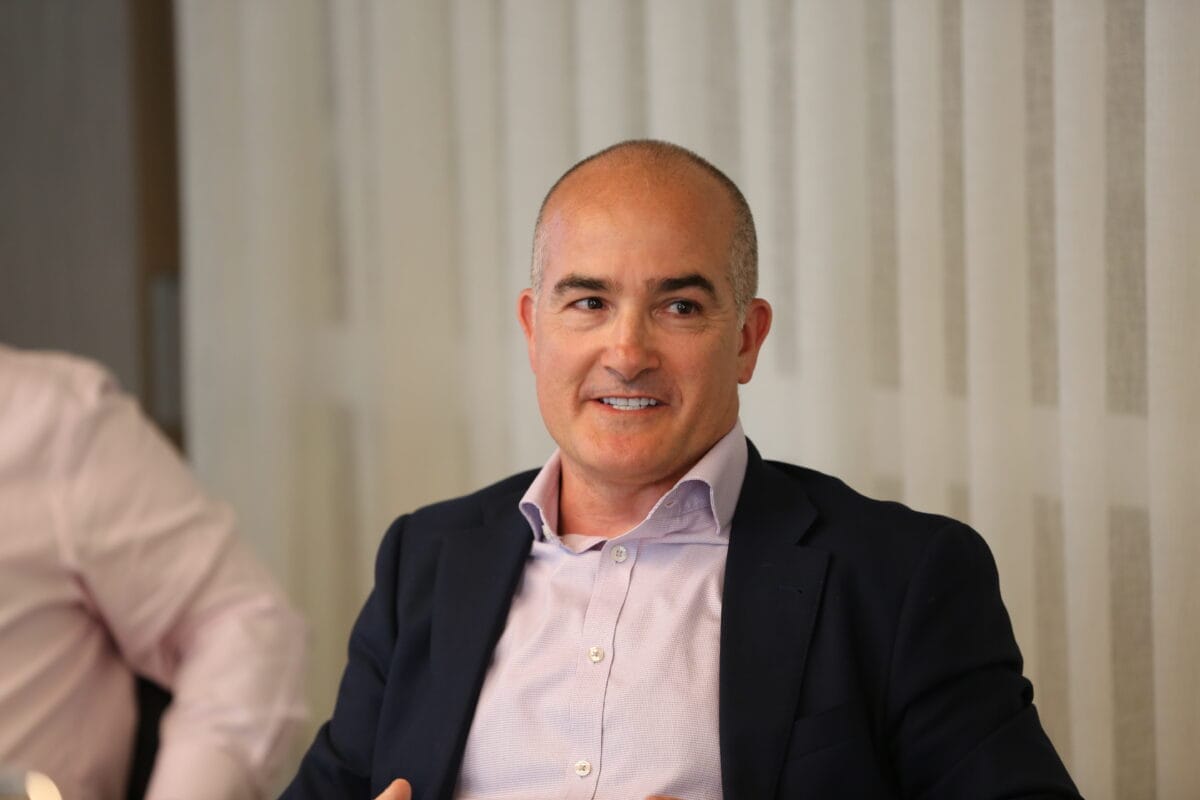
“The $4 trillion superannuation pot is just too irresistible and will always be irresistible but with [Labor] securing a second term, it provides a period of stability and also time to advocate [for reform] and also engage the Coalition,” he said.
“The greatest benefit of having a clear election outcome is a clear approach in terms of preservation and [knowing that] preservation is not at risk for the foreseeable future.”
To effectively manage liquidity, clearly defined policies and procedures are critically important, said Jody Fitzgerald, general manager, defensive and liquid assets and portfolio intelligence, at Australian Retirement Trust.

For many years, ART has been running “annual liquidity fire drills” where the investment team bunkers down in a room together and works through extreme market scenarios, and their potential impact on portfolios. These drills are designed to help the investment team understand how the portfolio will behave in certain situations while also testing the fund’s processes in order to prepare for real-life stress events.
“We have a team that generates potential market scenarios which the investment team responds to, and the decisions of the team are then remodeled, and the next phase of the scenario plays out,” she said.
“It’s important to understand your liquidity profile and [it is important] that you have termed out your liquidity in appropriate ways and manage your FX roles to make sure that they’re not all hitting at the same time. We have liquidity waterfalls available for all assets and we know when we have capital calls falling due.”
Gavin said proactive discussions about liquidity and systemic risk were happening at the optimal time, and funds could not afford to wait for a crisis to get serious.
Gamerov said stress testing was a basic requirement for all funds and played an important role in assessing the resilience of funds.
He cited APRA’s system-wide stress test as a critically important opportunity for the prudential regulator to assess the efficacy and effectiveness of the policies, processes and systems of Australian banks and super funds.
With Australia’s superannuation sector growing to mirror the size of the banking sector, Jeff Brunton, head of portfolio management at HESTA, said stress tests needed to consider those two pillars together and how they might be impacted in an environment that creates a question mark about underlying collateral.
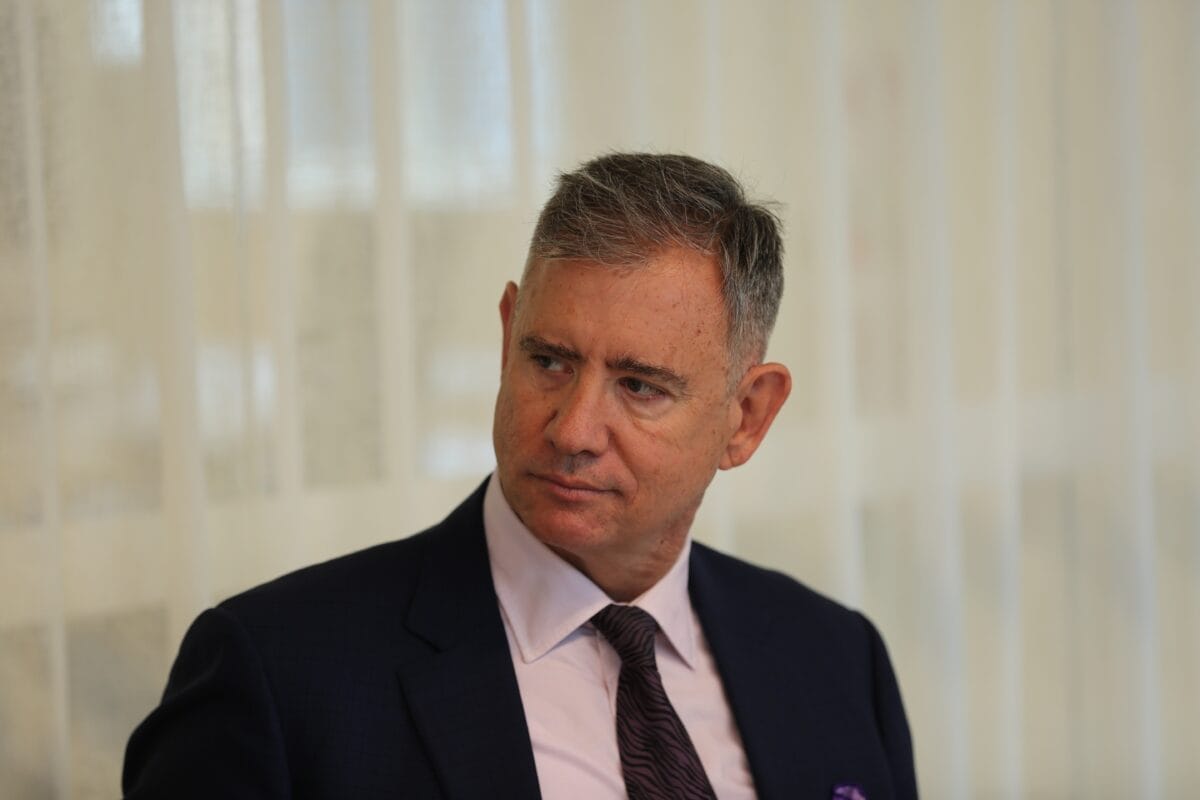
“Liquidity pressures happen when people don’t believe the price and value of collateral,” he said.
“The super industry is more the asset side of the ledger, and the liabilities are long-term retirement incomes, and in the banking system, the assets are 30-40 years mortgages, and the liabilities are shorter-term deposits, along with obligations funded primarily by foreigners, and so really good thinking about stress tests need to think about those pillars.”
Crowd psychology
The most unpredictable factor for funds to contend with is arguably member behaviour, Gamerov said.
“When we run through all the different stress test scenarios, we’re confident of being able to manage through the various economic and market environments, but the thing that’s probably the most difficult to get a handle on is how members will behave,” he said.
With funds focused on driving member engagement and members having greater access to their account information and the ability to self-service, in addition to more media and social media coverage of superannuation, Gamerov said previous assumptions about the potential volume of member switching needed to adjust.
“If there is a confluence of factors, such as a market down, FX losses and high volumes of member switching, that’s a concern particularly if a fund is overweight private markets,” he said.
Raelene Seales, chief executive of Prime Super, agreed that the unpredictable nature of member behaviour presented challenges for funds, driven by social media rapidly spreading fear and misinformation during crises.
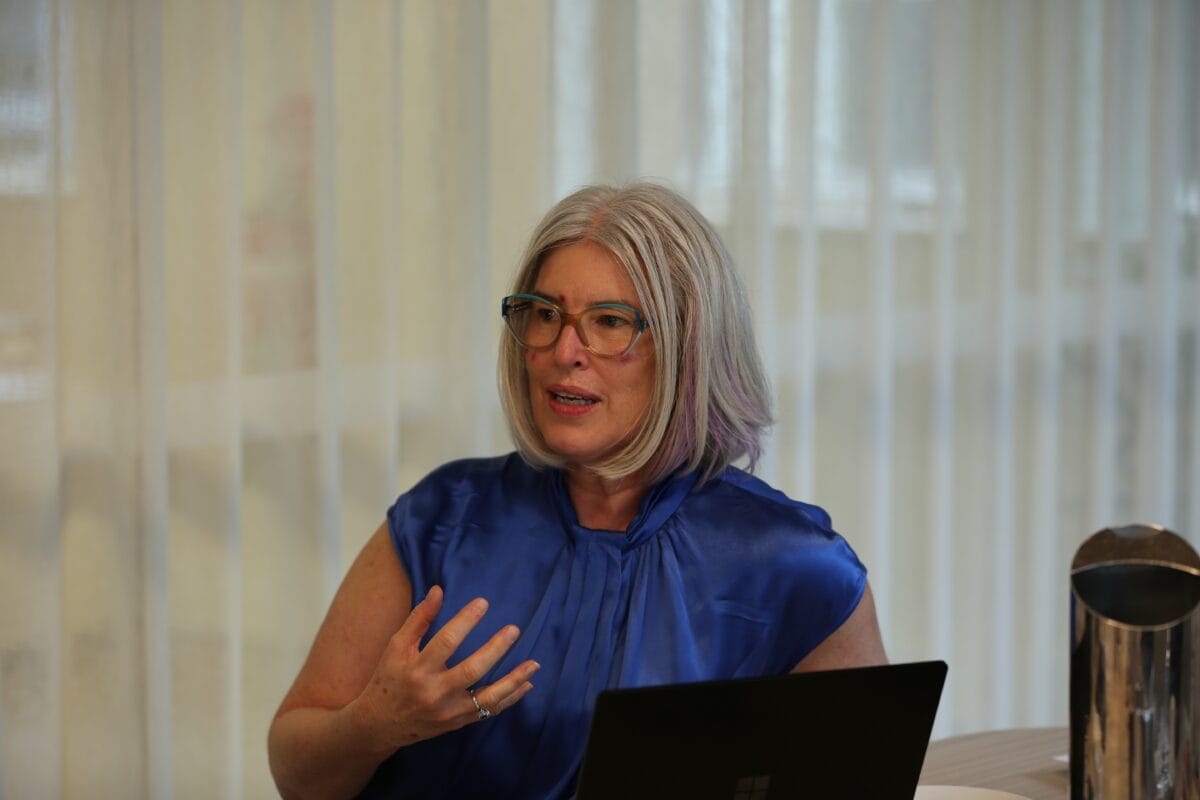
She lamented the proliferation of mass-produced AI-generated content, which made it increasingly difficult for people to discern reality from fiction.
According to Seales, AI is likely to reshape the member bases of funds in the future, as certain jobs become automated and redundant, and others are created with new skills, income levels and work arrangements. This presented challenges and opportunities for superannuation funds.
“AI is changing and will continue to change the workplace and that, alongside factors like immigration policy, will impact member profiles over time,” she said.
“There’s a direct correlation between skill and income, and average fund balances so, at the right time, funds need to take these into consideration in scenario planning around what members will look like in the future and potentially shift away from traditional members bases because they may not be sustainable.”
While the evolving labor market posed a threat to many funds, Seales urged participants to also treat it as an opportunity to understand and go after their ideal member profile.
Rest’s Merlino said major geopolitical events and industry issues like cyber threats provided opportunities to boost member engagement through member communication and reassurance.
Reflecting on the cyber incident that Rest experienced in March, which was immediately followed by the US Administration’s Liberation Day announcements, Merlino said call centre volumes exploded and remained elevated for some time.
“When thinking about systemic shocks and what we need to do, a key focus of discussions about operational resilience should be on member engagement before, during and after an event,” he said.
Additional capital requirements
Seales, who has a background in banking and insurance, compared the different capital requirements for banks and life companies versus profit-to-member super funds, and urged funds to consider the possibility of the regulator imposing additional capital requirements on super funds in the future.
“My concern is that [capital requirements in super funds] may shift because when that shifted in bankin
g, it was a huge pivot and banks had to look at their deposit raising versus their lending to fund the additional requirements as well as their customer base,” she said.
“So, if the regulator turns around and imposes additional capital requirements, how would that play out?”
Tannenbaum highlighted the close relationship between liquidity and trust, pointing to the important field of behavioural finance to explain investor behaviour, particularly during periods of stress.
“In the US, there is high retail concentration but they’re accessing the market through large funds and asset managers, many of whom offer liquidity against underlying assets that are not entirely liquid, and so there are significant systemic risks posed by large portfolio ownership,” he said.
“In a scenario where trust is lost and there is a rush to the door, we must work through it without looking to government for a bailout. At the same time, the RBA and other authorities in Australia would be thinking about their own contingency plans, as the Fed does in the US.”








Leave a Comment
You must be logged in to post a comment.