
Australia’s sovereign wealth fund is on a cost-cutting drive, looking to consolidate arrangements with some external service providers and putting a number of roles under review in order to slash $10 million to $15 million in costs in the 2026-27 financial year, with “further savings expected in subsequent years”.
“The Future Fund has grown by over $96 billion through strong investment returns over the last five years, while the total value of funds invested has grown to $335 billion from $218 billion,” said Future Fund CEO Raphael Arndt in a statement on Tuesday announcing the operational update.
“Overall, the [Future Fund Management] Agency’s costs and staffing level are appropriate for the scale and complexity or our investment objectives, but we need to make sure that remains the case. We are now ‘baking in’ the benefits of the capabilities we have developed and maximising the efficiencies and new insights they deliver while making sure roles remain aligned with business needs.”
Per portfolio budget statements, the Future Fund was expected to cost $238.3 million to run in the 2026-27 financial year, up from $224.4 million in 2025-26 and $204.9 million in 2024-25. Under the Future Fund Act 2006, the fund is required to meets its operating costs from its investment earnings.
Investment Magazine understands that some of the cost savings are hoped to be achieved through consolidation of arrangements with external data and technology providers, with the Future Fund having undertaken considerable internal work to build up its ability to access and manage data relating to its portfolio as well as broader market and economic data.
In 2024, iTnews reported that the Future Fund was building a “data lakehouse” in partnership with software company Databricks that would act as a “core central data platform” for the fund. While the Future Fund publishes a regularly-updated list of its investment managers, it does not make public its data and technology providers.
“Our investment in data and technology and in the systems and ability to use them has been critical to investment performance,” Arndt said. “We generate powerful and current insights into investment markets, the risks and opportunities on offer and how we can position the investment portfolio to navigate them.
“We have significantly strengthened the resilience of the investment portfolios to help navigate the volatile investment environment that we expect to endure.”
The fund is also reviewing 10 roles across investment and non-investment areas “with a view to ensuring that staffing continues to reflect business needs and priorities”. While AI is a growing part of the Future Fund’s technology approach, it’s understood that Tuesday’s operational update did not relate to AI as a driver of cost savings.
“We will continue to assess the resources needed to generate strong-risk adjusted returns in a complex investment environment, making changes where it is prudent to do so,” Arndt said.
The happiest place on earth
The cost cutting announcement comes amidst a number of high-profile departures from the fund, with both managing director of real assets Tammi Fisher and head of private equity David Bluff leaving in March. The exits followed the September departure of CIO Ben Samild, who left to take up the chief strategist role at Abu Dhabi Investment Council. Hugh Murray was appointed interim CIO while the fund undertook a still ongoing search for a replacement.
Arndt has also found himself in hot water recently, with independent senator David Pocock querying the decision to spend thousands on business class airfares for his former executive assistant to travel around the world and assess the quality of hotels where the fund was considering making bookings.
“If you ask the average punter out there whether the Future Fund needed to send someone… to go and check out some hotels, they’d probably say yeah, nah,” Pocock said in a December hearing of senate estimates.
Arndt himself also took two taxpayer-funded trips he took to Disneyland that the Future Fund said were part of an effort to establish an internal training platform and involved only travel-related “land costs” due to Arndt already being in the area.

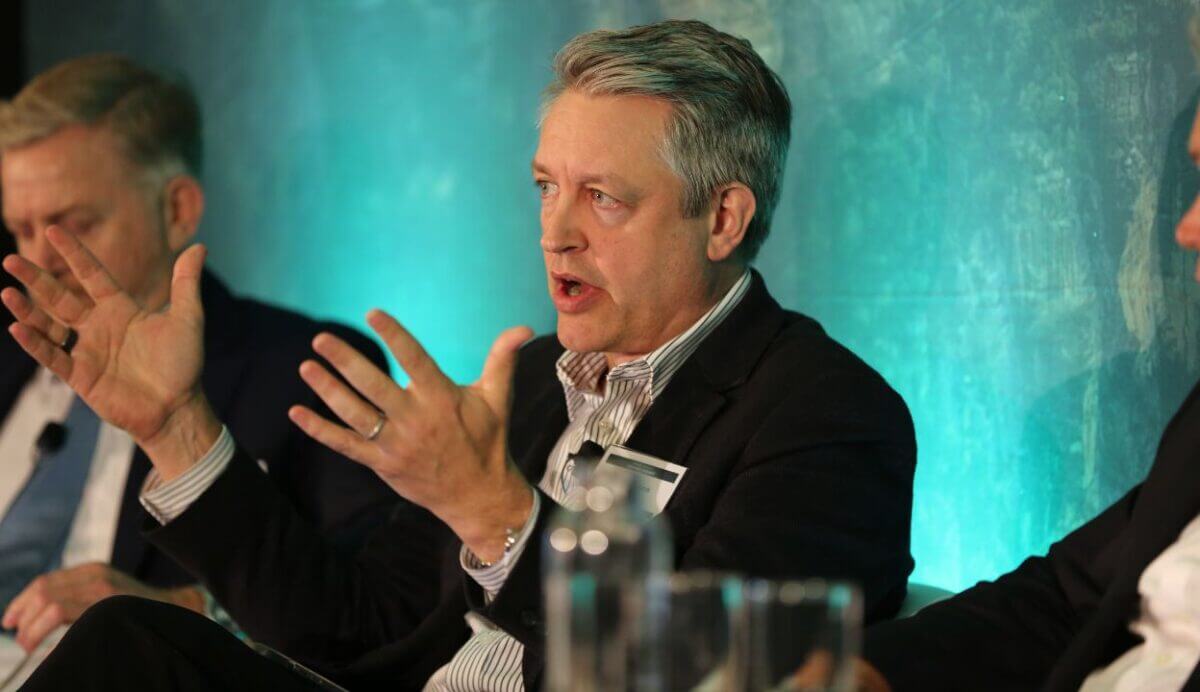
Future Fund CEO Raphael Arndt.

14 April 2026 16:18
Business strategy

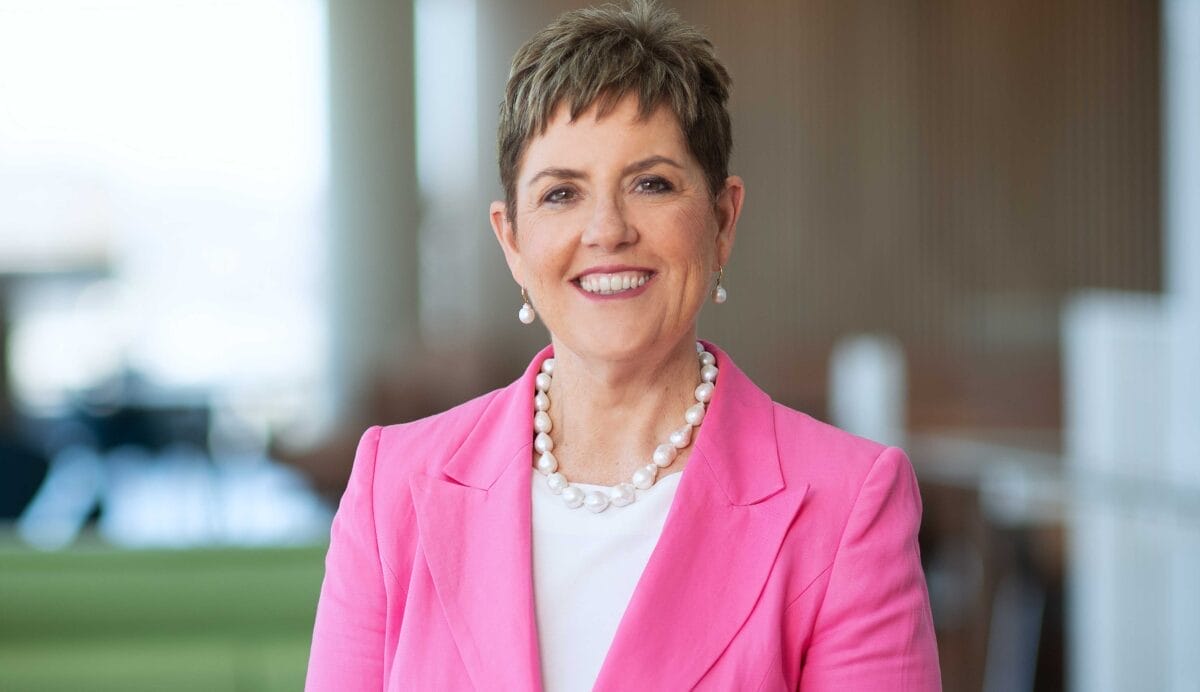
The Association of Superannuation Funds of Australia has nominated former Colonial First State executive and AMP director Linda Elkins as the new chair of its board, as the peak body jostles with the Financial Services Council for primacy in representing the $3 trillion APRA-regulated super sector.






Leave a Comment
You must be logged in to post a comment.