


Aware Super says the endgame of defined benefits de-risking is not necessarily for a trustee to remove itself from the responsibility of administering the scheme, but to keep the options open for future mergers and servicing retirees.
The fund, which has around $900 million in defined benefit assets and 4400 members, completed a second tranche of buy-in of $30 million with its de-risking partner Challenger in December 2025. Aware Super first chose Challenger to provide a group lifetime annuity policy to the value of $667 million in 2023, in a bid to shield the liabilities from investment, inflation and longevity risks.
A buy-in refers to where a trustee purchases a group policy from an insurer to match its DB liabilities, but retains responsibility for administering and reporting on the existing account.
Now Aware Super has just 24 pension members whose benefits are uncovered.
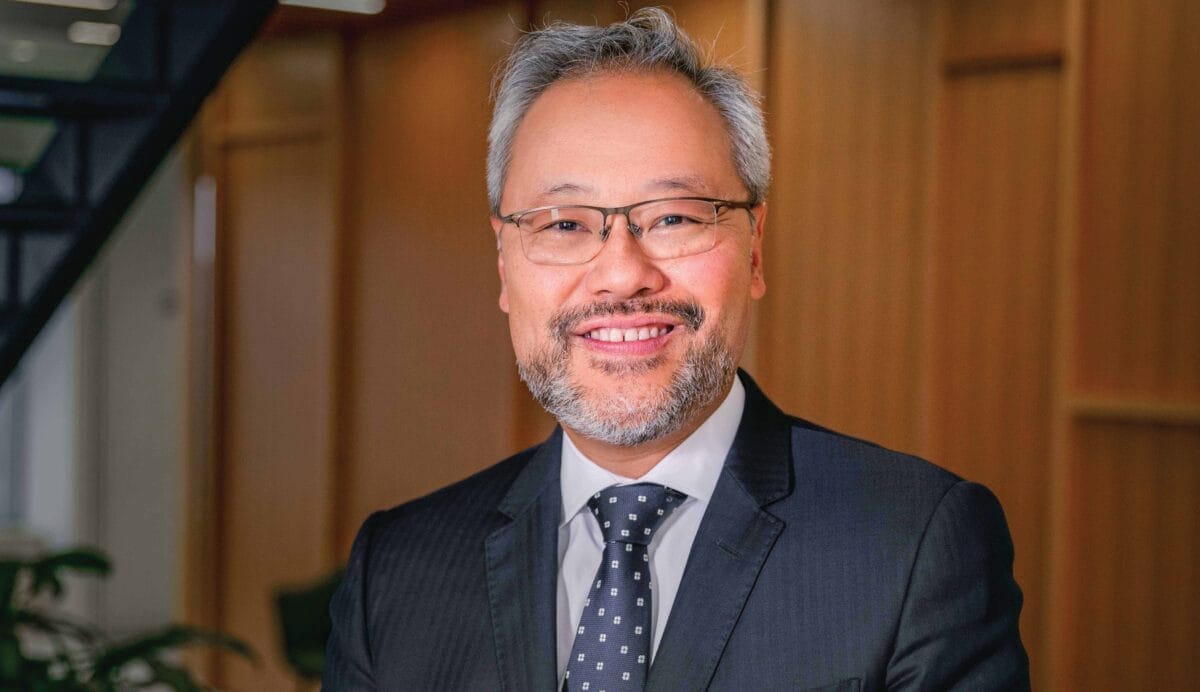
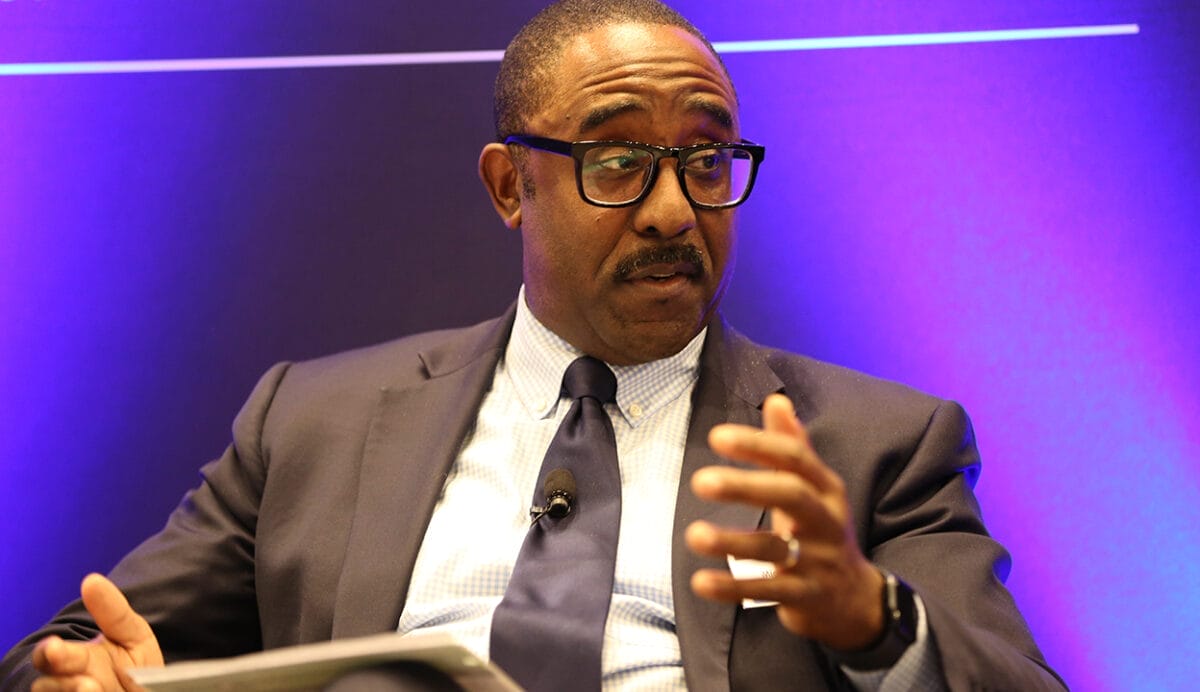
“Once all of the active [DB] members have left and say all of the pensioners have been covered by Challenger, it’s up to the trustee then to decide: do we want to maintain this? I think there is potentially an advantage of maintaining it,” said Ruvinda Nanayakkara, actuarial practice lead at Aware Super at a Challenger defined benefits conference in Sydney.
“On one side, if we do want to do future mergers [with funds] that actually have DB schemes, it will make sure that it signals to the market we can still provide and maintain this.
“There’s also the potential option of SFT (successor fund transfer), but if you do that, you are changing who’s ultimately responsible. Would the employers want that? Would the ultimate members want that? There will be a few things to consider.”
Aware Super completed its merger with TelstraSuper in May, and Nanayakkara cited in-house capability for DB investment and actuarial management as a key contributor to the synergy of the deal.
The fund will likely purchase more tranches of buy-in as more of its 1.3 million members reach retirement age, which is a consideration built into the RFP process, said Tim Jenkins, partner of superannuation consulting leader at Mercer, which has been actuary for Aware Super’s DB book for over 25 years.
“Because that’s quite important – thinking about the future – and the tenderers had to say, ‘well, what will you do with future tranches, how do I know I get good terms’, that was an important part,” Jenkins said.
Challenger general manager of institutional solutions Meher Edibam said of all de-risking pathways for DB schemes, buy-ins are where the provider observes the most activity.
“It allows the fund to maintain the member relationship and the administration, but it allows them to de-risk their investment longevity and market and inflation risk, so they don’t see a drop in their assets,” she said on a separate panel session of the conference.
“They hold the annuity policy as an asset on their balance sheet. The buy-ins are very often… decisions made on the investment team.”
Other prevalent de-risking methods for DB funds include glide path investing and longevity swaps, though Edibam highlighted that the latter is less active in the Australian market due to the size and scale needed from a DB fund to implement that properly.
“We are a big player in the UK market with over 8 billion in transactions completed [through longevity swaps], but we don’t see a lot of that in the DB market here,” she said.
Then there is also the method of buy-out via SFT, where an insurer takes over all ongoing liabilities to members from a fund and in Edibam’s view is the “gold standard of de-risking”.
The fund has done seven buy-in transactions “in the past few years” close to $800 million in value, and seven transactions around $800 million in value for buy-out via SFTs, she said.
“[That] is really the ultimate end game for any fund who wants to get it off their books, and that is where the insurer takes on all the risk from the administration, the communication, the member relationship, as well as all the investment risk,” she said.
“They become members of insurer-backed superannuation fund, like the Challenger Retirement Fund. We are the sponsor and existing trustee can walk away from that obligation.”













Leave a Comment
You must be logged in to post a comment.