Former legalsuper, Rest CIO takes top investment job at Minderoo

Andrew Lill, who this week left his role as interim CIO at legalsuper, is set to take on the top investment job at one of the country’s largest charitable foundations.
Andrew Lill, who this week left his role as interim CIO at legalsuper, is set to take on the top investment job at one of the country’s largest charitable foundations.
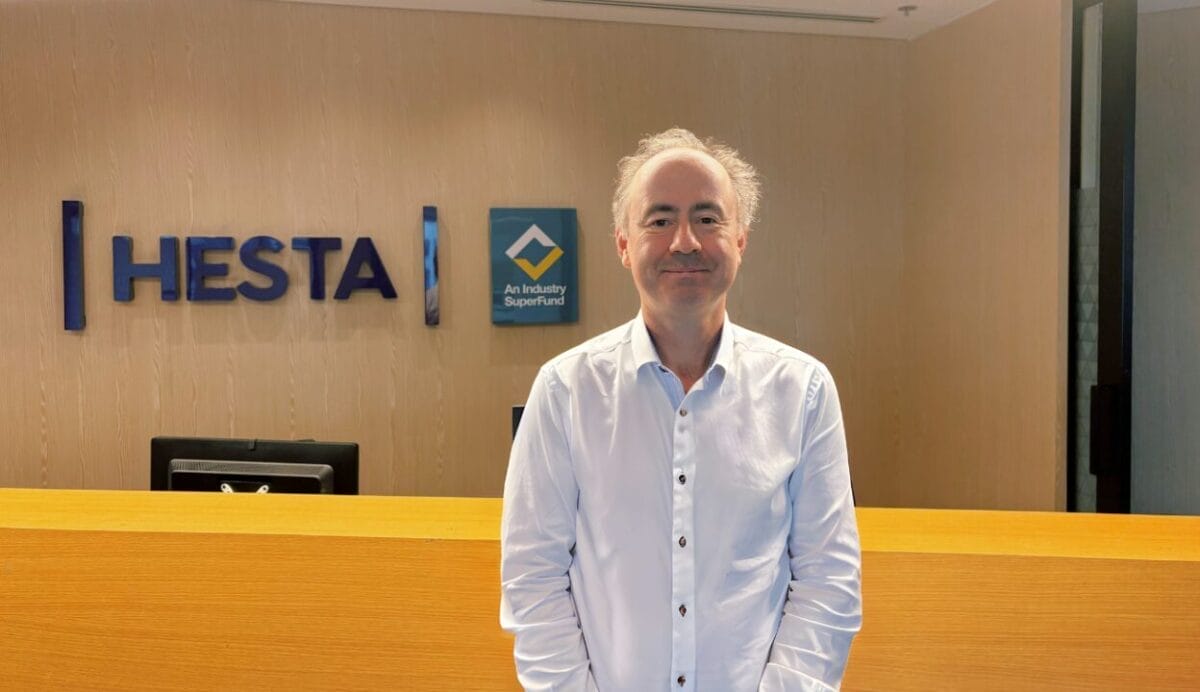
Dynamic asset allocation has become increasingly popular among pension and sovereign wealth funds as a top-down tool to generate alpha and mitigate risk in the face of changing market conditions, though not every asset owner believes in the approach’s value-add. But HESTA’s general manager of dynamic assets Michael Blayney argues active asset allocation is just natural extension of the underlying logic in security selection.

legalsuper’s CEO will take up the top job at Equip Super while interim CIO Andrew Lill is departing for parts unknown as a slew of executives step down across the superannuation system.

Mental ill health claims across group and retail life insurance policies are expected to reach more than $4 billion this year, according to data from the Council of Australian Life Insurers and Conexus Financial – a trajectory that is unlikely to change. But the ways that superannuation funds and insurers are dealing with mental ill health are flawed, according to an Investment Magazine roundtable, in partnership with AIA Australia.

GESB chief executive Ben Palmer is set to leave the Western Australian government super fund, ending a 13-year tenure after steering the fund through the most significant change in its history. In a rare interview, Palmer examines the past, present and future of super and explains why GESB is treating platforms, not profit-to-member funds, as its benchmark.
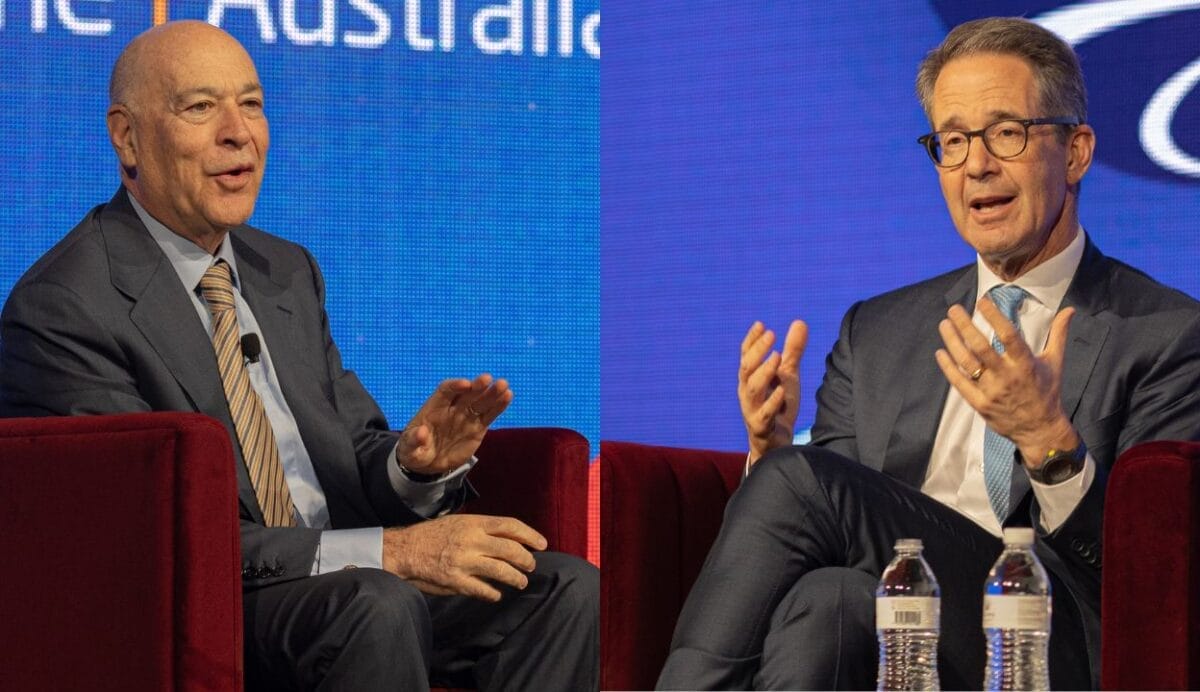
Investment leaders in private credit have dismissed concerns about the asset class, arguing the real issue is a mismatch between the liquidity of the asset class and the expectations of non-institutional investors.

The chief investment officer of the $150 billion industry super fund says that Hostplus’ portfolio will weather the ongoing downturn in software companies and that moves by a number of large private credit managers to gate their funds are a result of the asset class being offered to retail investors who should not have assumed the funds would be liquid enough to get money out when everybody else is trying to do the same.
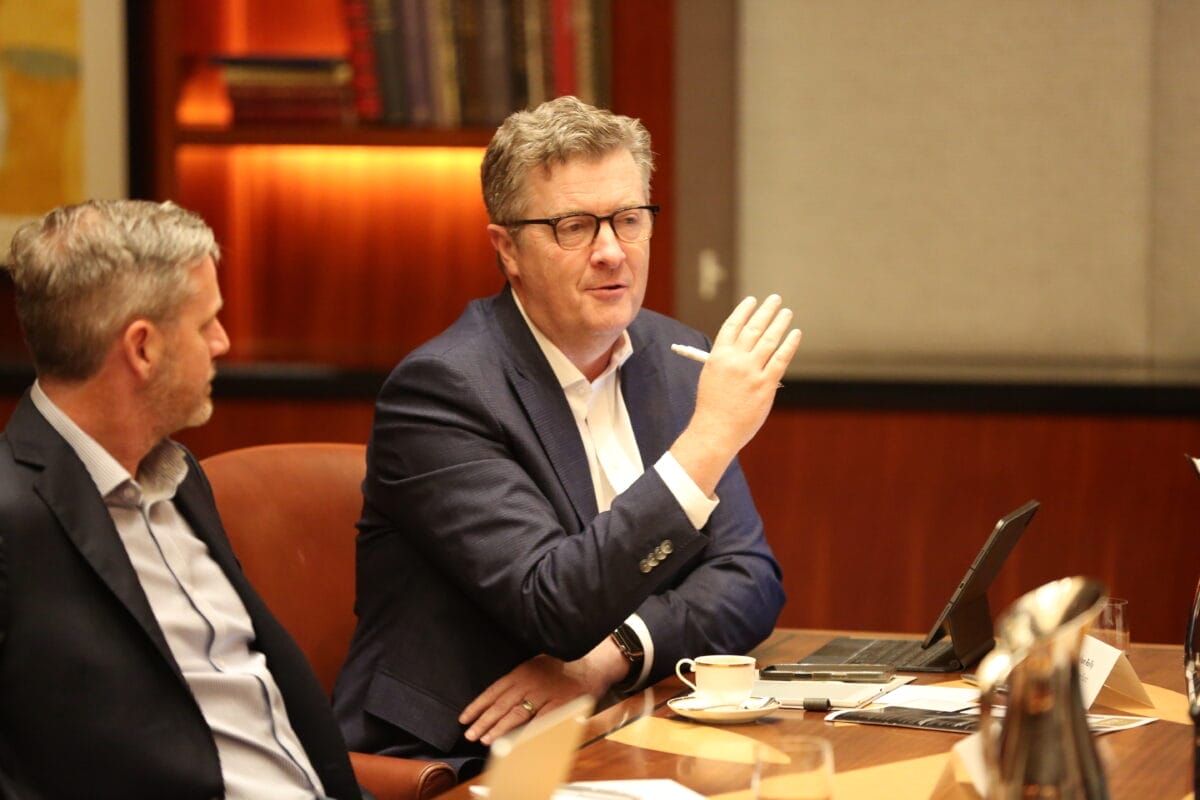
The departure of the $100 billion HESTA’s chief operating officer Stephen Reilly follows those of chief executive Debby Blakey and chief risk officer Andrew Major, and is part of a shake-up among the broader senior ranks of Australian super funds.

The war in Iran heralds a period of prolonged market and economic disruption rather than a “short, sharp shock”, according to BlackRock. But investors can’t afford to tear their eyes away from market shifts already underway before the war began.

The Super Members Council representing profit-to-member funds claims younger and lower-balance Australians are being transitioned by advisers to “risky” platforms and SMSFs, while the Financial Services Council has fired back with data suggesting it is mostly older, wealthier consumers being advised to switch their super. Aleks Vickovich writes the truth, as usual, is probably somewhere in between.

The outgoing chief investment officer of AustralianSuper Mark Delaney said one of the biggest regrets he will have as he leaves the $410 billion fund is not going overweight on the AI and digital thematic in public markets sooner, as the nation’s most powerful allocator reflects on the investment case of the technology sector in the superannuation summit in New York last week.

The roughly US$2 trillion ($2.8 trillion) sell-off in the global software sector since September 2025 is, while a painful drawdown for growth investors, also a timely reminder that asset owners should be more alert to stock-specific dispersion and hidden concentration risk inside portfolios, writes JANA head of research execution, Matthew Gadsden.

The investment intelligence behind Australia’s largest asset owners and their teams
In-depth interviews with leaders, experts and visionaries in the institutional investment community
Updates on the latest industry policy developments and regulation
The challenges and innovations of custody, technology and operational due diligence




Investment Magazine provides in-depth, monthly analysis of trends and developments for all the businesses in which superannuation funds engage‚ including asset allocation, investment manager selection, custody and fund accounting, member administration, group insurance and compliance.
We acknowledge the Traditional Custodians of this land upon which Conexus Financial sits, the Cadigal of the Eora Nation. We recognise their continuing connection and unique cultural and spiritual relationships to the land, waters and community. We pay our deepest respects to them and their culture, and to Elders both past and present.
