Insurance sector’s tough two weeks at royal commission
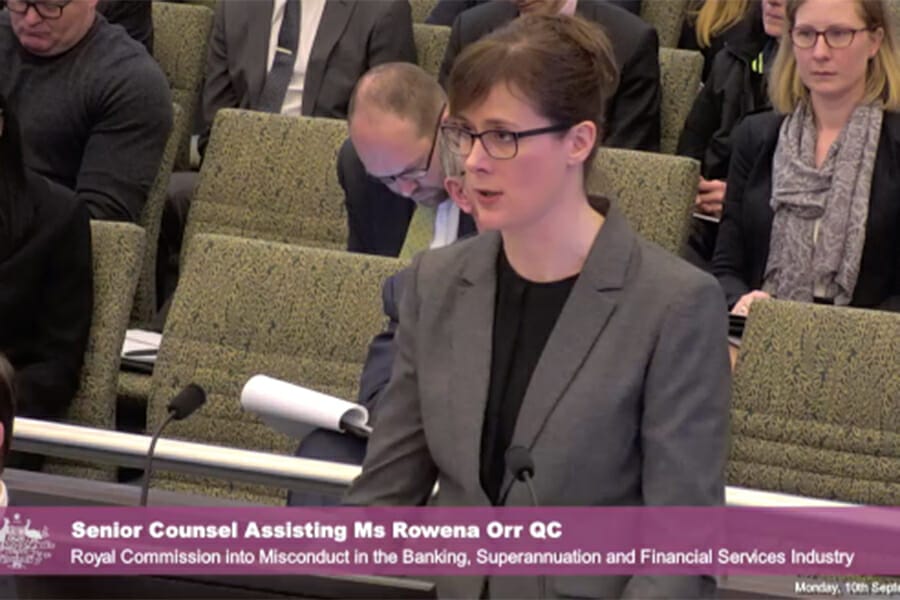
More than 300,000 possible crimes were revealed as executives from the nation’s largest insurers faced the inquiry.
More than 300,000 possible crimes were revealed as executives from the nation’s largest insurers faced the inquiry.

The super fund blames inadequate systems that were too reliant on hardcopy claim forms for inadvertent breaches of the SIS Act.

Former US vice-president Al Gore told the PRI in Person conference that climate change poses an existential threat to the global economy and civilisation.
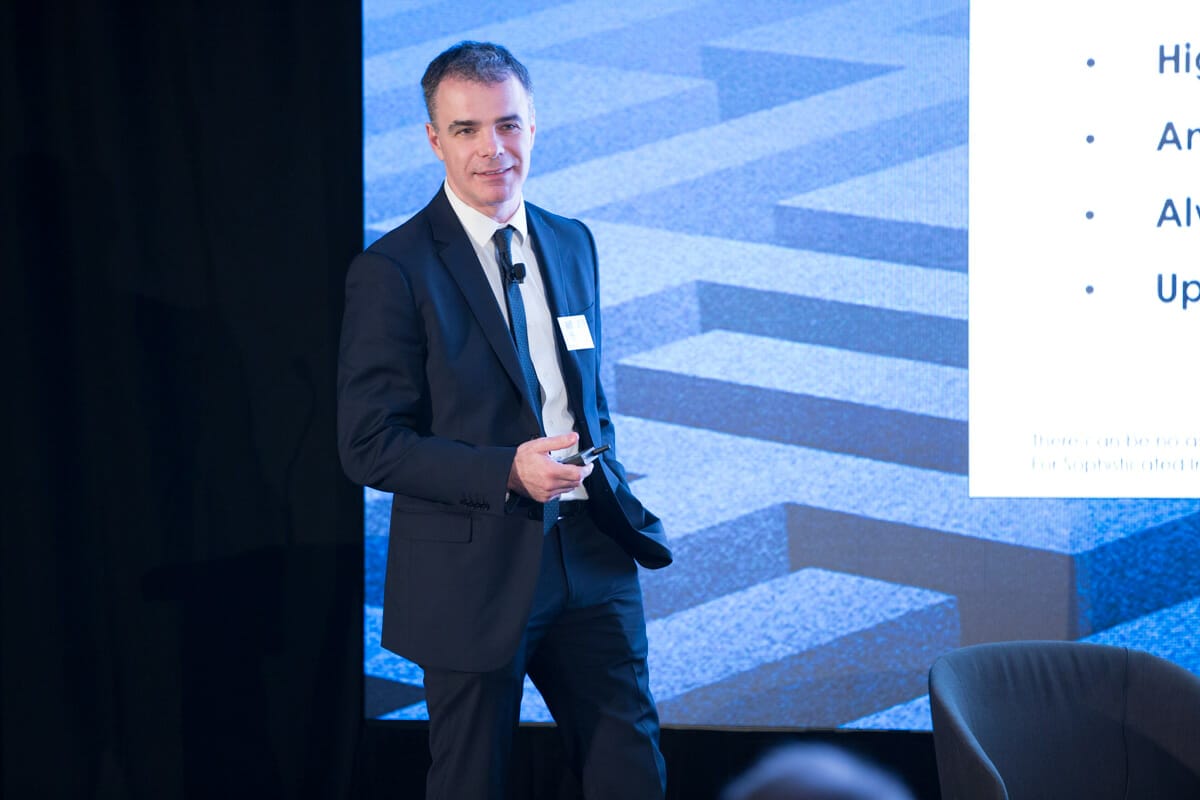
The Absolute Returns conference was held at The InterContinental, Double Bay, Sydney NSW on September 19-20, 2018
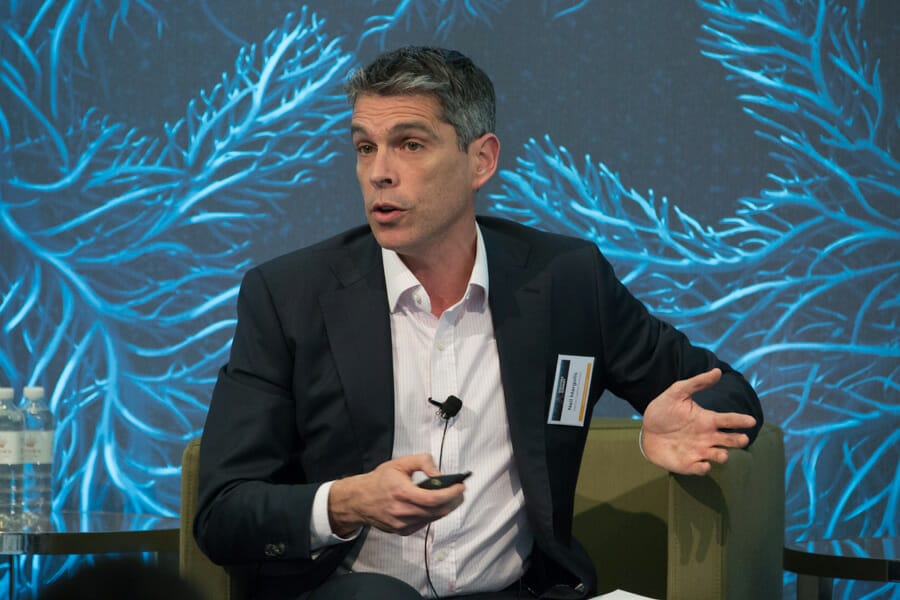
That which cannot be defined cannot be monitored. Two portfolio managers told delegates their philosophies on specifying style.
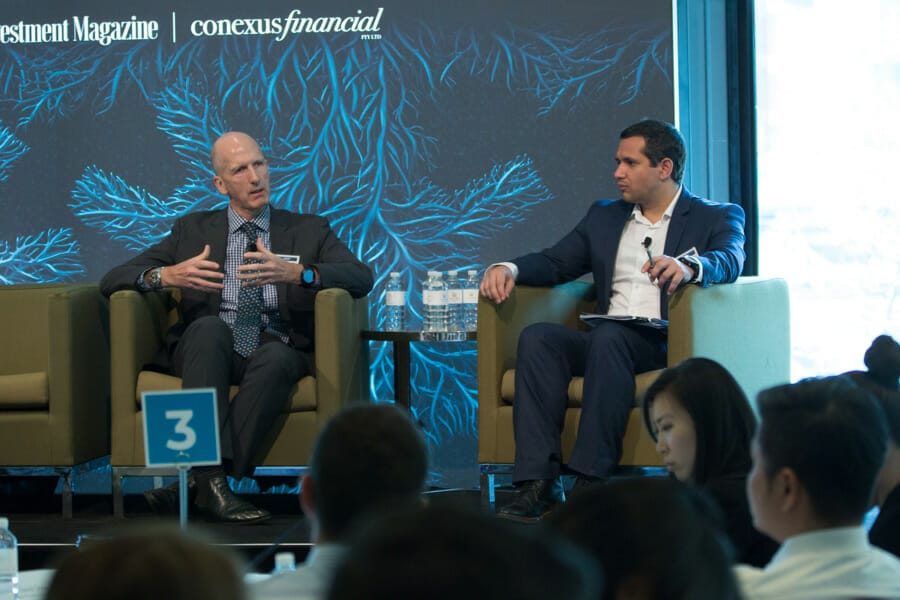
The best way to extract equity returns from Eastern markets is to ignore the noise and seek out high quality, CFSGAM’s Richard Jones said.

Paul Polman, chief executive of Unilever for the last decade, describes his day job as running the global consumer goods company. His full-time job is trying to create a different kind of global capitalism. In an inspirational speech to delegates at the PRI in Person in San Francisco, he announced the changes he said society … Read more
Political shifts in the US and regulatory changes in Europe have made the US tech sector’s giants less of a sure bet.
QSuper is planning the next iteration of its lifecycle superannuation product with a long-term view to include gender first time.
Funds SA has invited seven firms to tender for its custody and investment administration services business, on the back of swelling FUM.
The industry will need to do better job of showing people why they need insurance post Hayne inquiry writes Andrew Main.
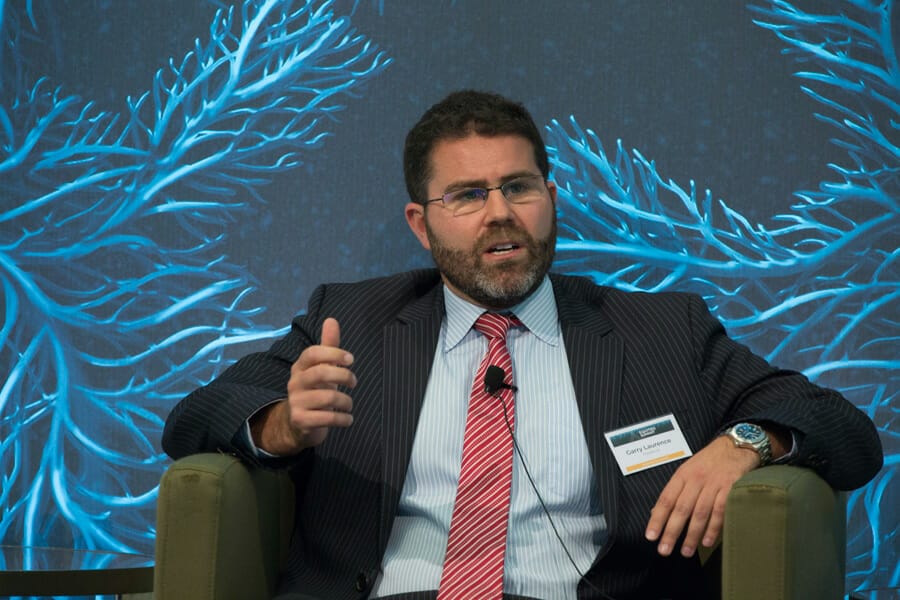
People in Asia and economies have embraced activities such as online commerce and live streaming far more than in the US, portfolio manager

The investment intelligence behind Australia’s largest asset owners and their teams
In-depth interviews with leaders, experts and visionaries in the institutional investment community
Updates on the latest industry policy developments and regulation
The challenges and innovations of custody, technology and operational due diligence




Investment Magazine provides in-depth, monthly analysis of trends and developments for all the businesses in which superannuation funds engage‚ including asset allocation, investment manager selection, custody and fund accounting, member administration, group insurance and compliance.
We acknowledge the Traditional Custodians of this land upon which Conexus Financial sits, the Cadigal of the Eora Nation. We recognise their continuing connection and unique cultural and spiritual relationships to the land, waters and community. We pay our deepest respects to them and their culture, and to Elders both past and present.
