JANA makes four senior promotions to research teams
JANA Investment Advisers has promoted four senior members to various research teams.
JANA Investment Advisers has promoted four senior members to various research teams.

A managed investment scheme holding 20 per cent or more in unlisted assets is deemed an illiquid scheme and is restricted from providing frequent liquidity, but there is no formal limit on how much super funds can allocate to these asset classes. The Conexus Institute writes this is a special privilege given to APRA-regulated super funds that should not be taken for granted.

TelstraSuper chief investment officer Graeme Miller will lead the investment operations of the $74 billion Mercer Super. Head of alternative investments and real assets, Kate Misic, will replace Miller in the interim ahead of the impending merger with Equip Super.
UK defined contribution pension scheme NEST will take a 10 per cent ownership stake in IFM Investors parent company Industry Super Holdings and commit to significant ongoing investment in the asset manager.

New research presented to the chairs of superannuation funds suggests external financial advisers are responsible for a significant portion of member switching in the market. CoreData global CEO Andrew Inwood urged funds to factor professional adviser needs into their user experience and operational infrastructure uplift efforts.

With the upcoming federal election, profit-to-member funds have found themselves under much scrutiny, despite their assets having increased significantly over the last three years. The sector is facing increasing demands to lift its game, such as investing in member services as millions of Australians enter the retirement phase.

Challenger is on a mission to redefine retirement income for Australians, celebrating almost 40 years of helping Australians secure a comfortable and certain retirement. Challenger continues to lead the way in retirement income solutions. Their pioneering work in annuities and partnerships with super funds ensures retirees are equipped with reliable income for life. To illustrate the impact of the work that Challenger is doing, chief executive Anton Kapel shares the story of how a lifetime annuity has helped a grandmother in her 80s maintain financial security.
The Federal Court of Australia has dismissed the judicial review application of industry fund BUSSQ.

With opposition leader Peter Dutton swinging his nuclear nunchuks there may be fresh brawling in coming months over the future of uranium mining in Australia. But it will probably be events playing out on the other side of the uranium universe involving some small Australian companies that will be more intriguing – and perhaps informative and insightful – over the coming months.

The reliability of super funds’ status as the so-called shadow banks in the Australian economy has been called into question. New research from the Conexus Institute found that as funds’ appetite for certain asset classes, such as private debt, rise and fall in different stages of the investment cycle it could create a “feast or famine” for business sectors relying on them as a funding source.
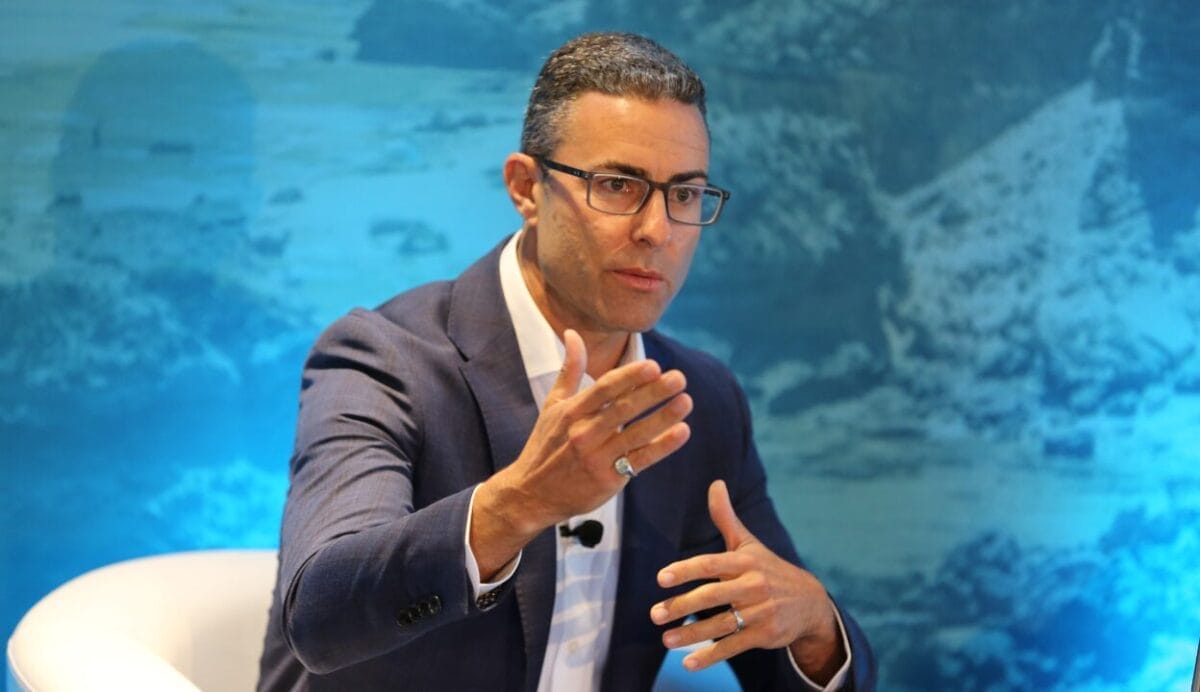
The Reserve Bank of Australia has told super funds to step up their own risk management practices especially given their increasingly large footprint in the Australian financial system. Speaking at the Investment Magazine Chair Forum on Thursday, assistant governor of financial system group, Brad Jones, said the RBA will not always be there to cushion shocks should a liquidity crisis occur.

Outgoing Minister for Financial Services Stephen Jones rejected suggestions he had given ammo to super sector enemies in his polarising tenure, saying it’s possible to “love something” but criticise it at the same time. The MP for NSW south coast seat of Whitlam announced his shock retirement from politics on Thursday.

The investment intelligence behind Australia’s largest asset owners and their teams
In-depth interviews with leaders, experts and visionaries in the institutional investment community
Updates on the latest industry policy developments and regulation
The challenges and innovations of custody, technology and operational due diligence




Investment Magazine provides in-depth, monthly analysis of trends and developments for all the businesses in which superannuation funds engage‚ including asset allocation, investment manager selection, custody and fund accounting, member administration, group insurance and compliance.
We acknowledge the Traditional Custodians of this land upon which Conexus Financial sits, the Cadigal of the Eora Nation. We recognise their continuing connection and unique cultural and spiritual relationships to the land, waters and community. We pay our deepest respects to them and their culture, and to Elders both past and present.
