Northern Trust appoints international enterprise client solutions head
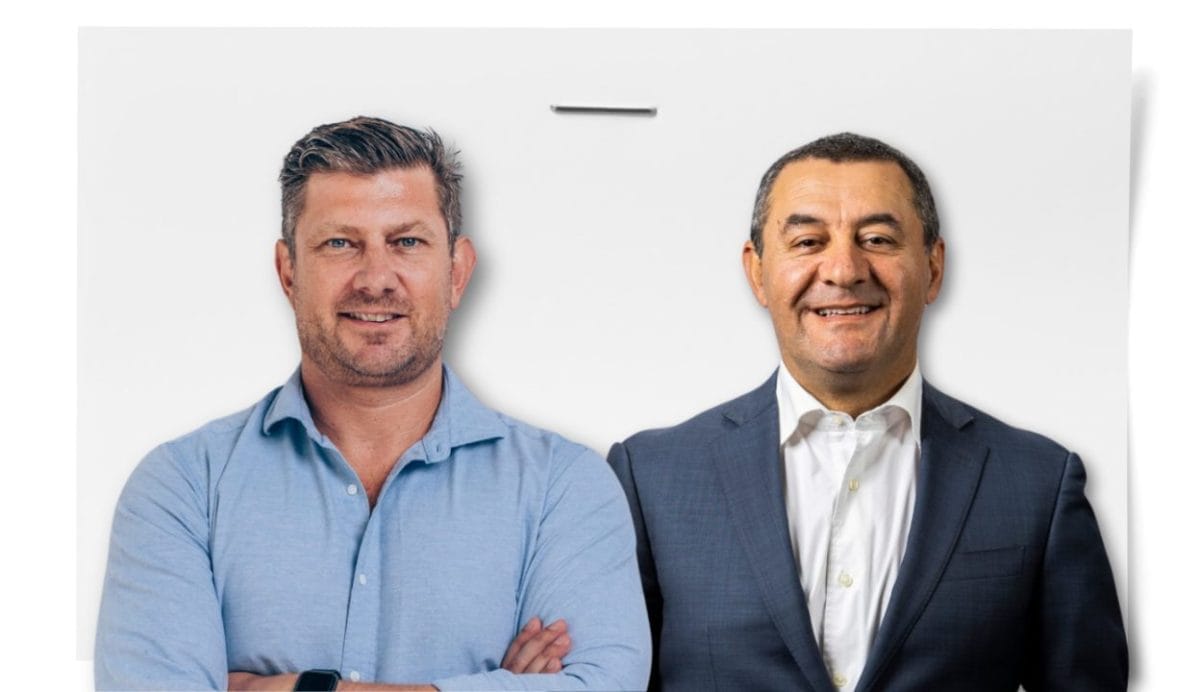
Northern Trust has appointed Gary Paulin to the newly-created role of head of international enterprise client solutions.
Northern Trust has appointed Gary Paulin to the newly-created role of head of international enterprise client solutions.

ASIC chair Joe Longo has acknowledged that directors of superannuation trustees have “the toughest gig” as far as board duties go, with funds’ exceptionally complex governance needs surpassing those of corporate Australia. But still, he said it’s only right that directors be held to “very high standards” when they are dealing with Australians’ precious retirement savings.

Australian company directors no longer feel as much pressure from investors, lenders and other stakeholders to improve climate change governance. In fact, an AICD survey suggests firms are actually doing less work than previously to integrate climate risk into their frameworks.
Australian Retirement Trust has appointed former APRA deputy chair Helen Rowell and chancellor of Macquarie University Martin Parkinson as independent directors to its board.
A third person has pleaded guilty to the Courtenay House Ponzi scheme in Sydney.
Integro Private Wealth has partnered with AMD Chartered Accountants to increase access to advice in regional WA.
Super fund performance was up for the fourth consecutive month in February, with the median growth fund (61 to 80 per cent in growth assets) delivering a 1.9 per cent return for the period, according to researcher Chant West.
Stapling was meant to deliver better retirement outcomes for super fund members by reducing the incidence of multiple accounts, but there’s growing concern that the latest breed of employee onboarding platforms is undermining those efforts by encouraging new employees to choose a fund that pays to be promoted on the platform, rather choosing the fund they may already belong to.
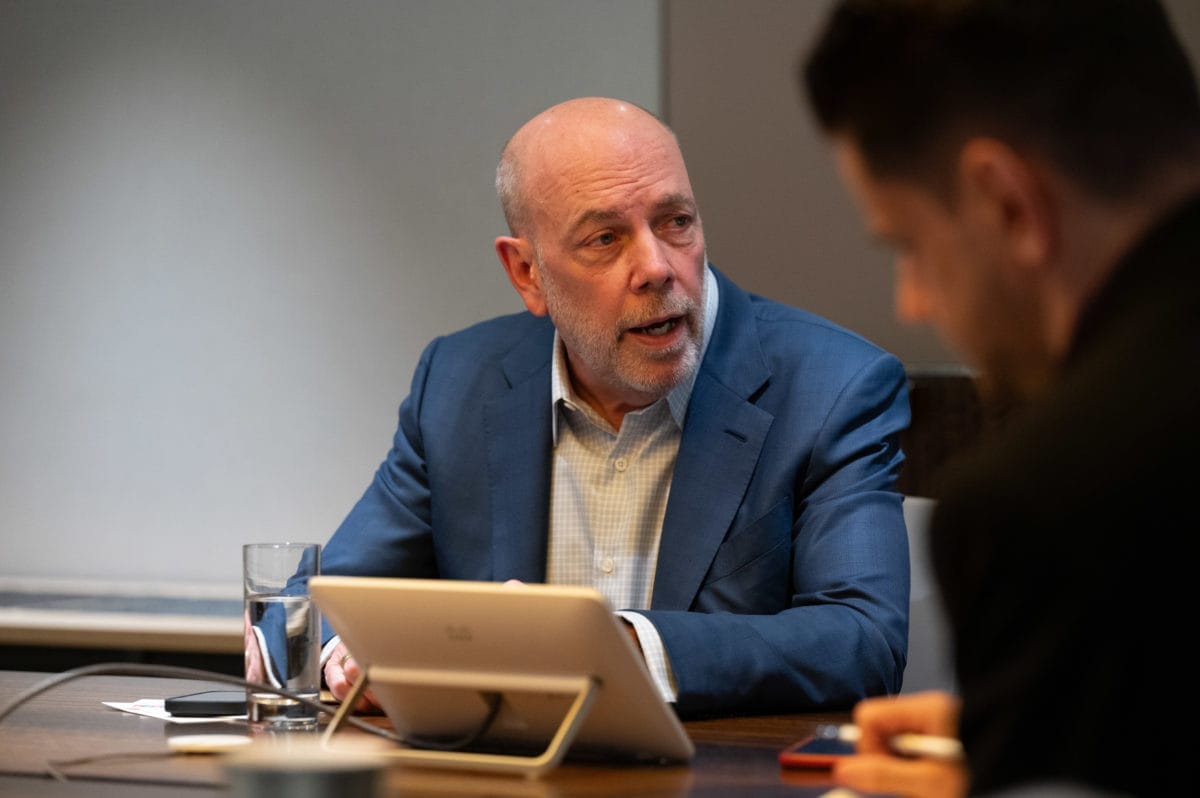
The proliferation of AI tools should mean even the largest institutions can rely on readymade technology to service their needs. In an interview with Investment Magazine in London, JP Morgan Asset Management CEO George Gatch says the decision to develop their own tools inhouse reflected the nuances needed to successfully implement AI.
The nation’s largest super fund AustralianSuper has partnered with life insurer TAL to develop a new ‘income for life’ retirement option.
Sydney-based wealthtech HeirWealth has partnered with open banking technology company Envestnet Yodlee to streamline the intergenerational wealth transfer process.
The majority of Australians (88 per cent) are expressing a desire to invest ethically, either via super or other investments, but have trouble identifying truly ethical financial products, according to a study by the Responsible Investment Association Australasia (RIAA).

The investment intelligence behind Australia’s largest asset owners and their teams
In-depth interviews with leaders, experts and visionaries in the institutional investment community
Updates on the latest industry policy developments and regulation
The challenges and innovations of custody, technology and operational due diligence




Investment Magazine provides in-depth, monthly analysis of trends and developments for all the businesses in which superannuation funds engage‚ including asset allocation, investment manager selection, custody and fund accounting, member administration, group insurance and compliance.
We acknowledge the Traditional Custodians of this land upon which Conexus Financial sits, the Cadigal of the Eora Nation. We recognise their continuing connection and unique cultural and spiritual relationships to the land, waters and community. We pay our deepest respects to them and their culture, and to Elders both past and present.
