
Most of the 25 super funds which have joined the United Nations ‘PRI’ pact, have done so not because it is the right thing to do but rather because it will reduce risks or increase returns or lead to both, according to Steve Gibbs, chief executive of ARIA.
The signatories to the UN Principles of Responsible Investing met for the first time in Geneva in July and also took part in a worldwide survey of ESG (environment, social and governance) investing. Gibbs told the Fund Executives Association Ltd briefing in Sydney last week that holding next year’s meeting in Seoul would hopefully increase the participation by Australian fund executives. Only two, including himself, went to Geneva. He said that the survey showed that the signatories had performed best in implementing the earlier principles, one and two, and there were a wide variety of approaches being taken. They had not progressed as well the other four principles. “;There is no one method of implementing the principles,”; he said. The first two principles are: “;we will incorporate ESG issues into investment analysis and decision-making processes”; and “;we will be active owners and incorporate ESG into our ownership policies and practices”;. The survey showed that investment managers were further advanced than funds in integrating ESG factors in their investment processes, which was probably because fewer funds had hands-on investment management. “;Overall, there has been a significant shift towards engagement,”; Gibbs said. Andrew Preston, who oversees sustainable investing for Aberdeen Asset Management, told the briefing that there had been a shift from the “;soft”; issues surrounding ESG to the issues which could be measured. He said it was now clear that there were costs associated with environmental risks, such as the cost of carbon, disaster insurance and the avilability of essential resources.

04/12/2007
overall, shift, implementing, principles, incorporate, signatories, briefing, survey, geneva, executives, investing, risks

Investments
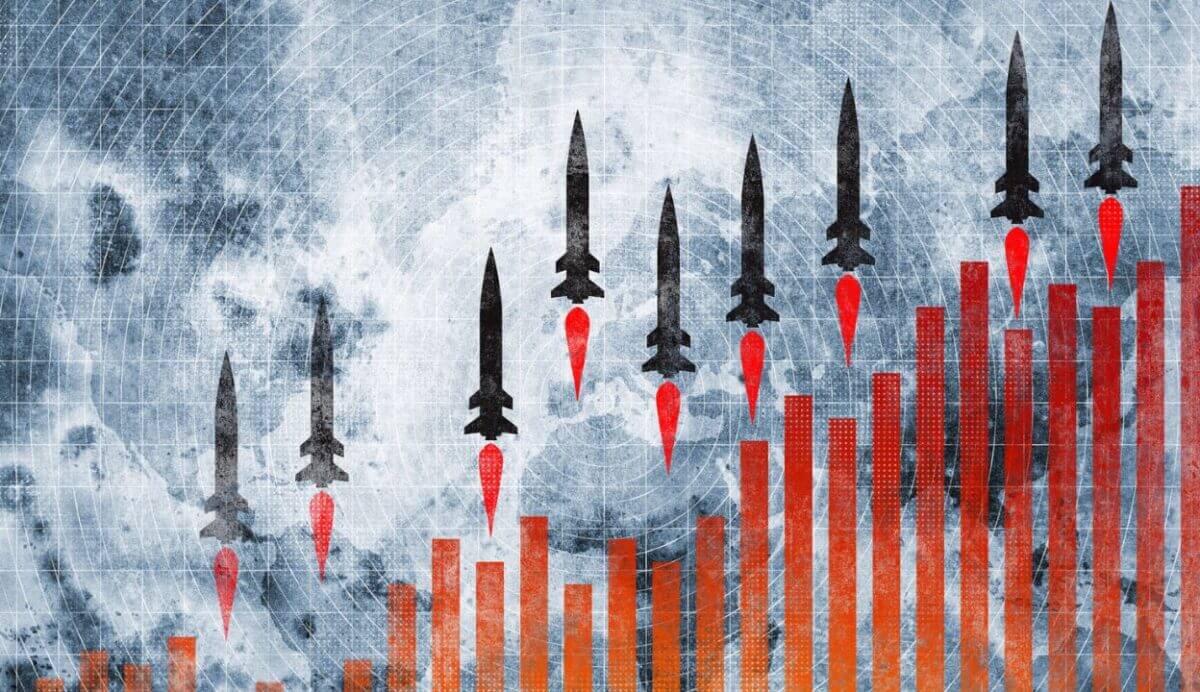
Some investors are “missing the point” of geopolitical risks by equating them to the disruptions from conflicts and wars, according to GIC chief economist Prakash Kannan, but in reality, geopolitical risk is no longer episodic or peripheral. This means investors need to think harder about inflation and country composition in their portfolio.





Leave a Comment
You must be logged in to post a comment.