

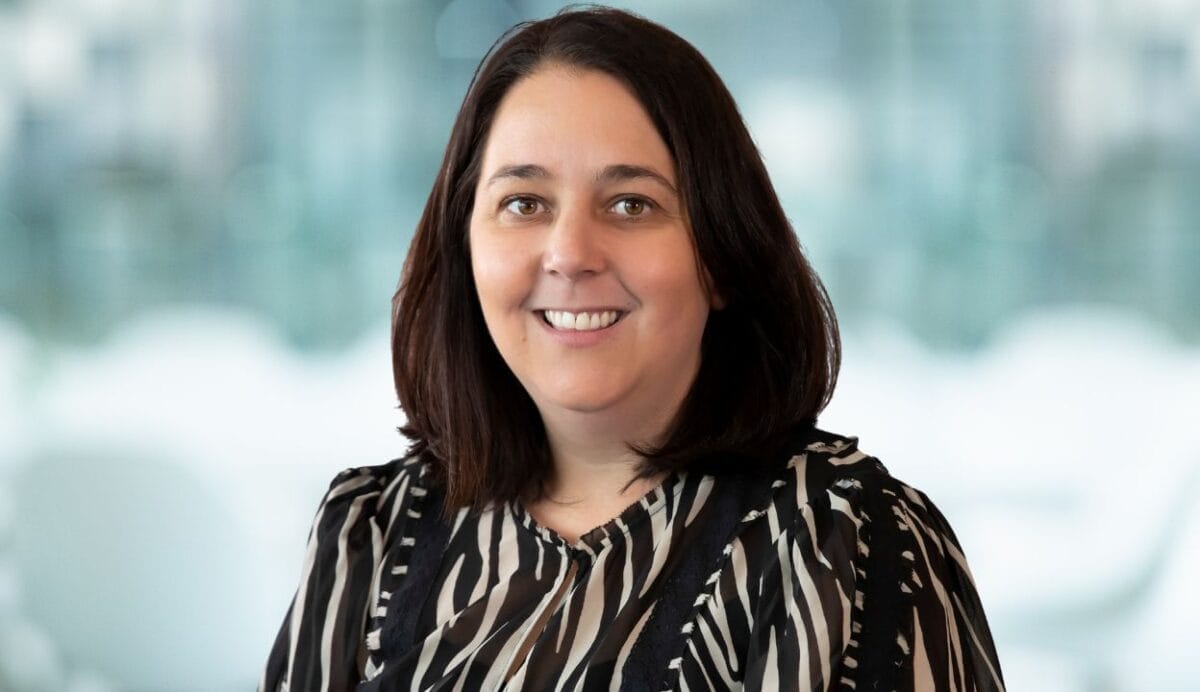
Alliston sensed that the top-ups were mostly coming from cash, and reflected funds’ current lack of confidence that long-only equity mandates could generate real returns. “Year to January both the Harris funds have done over 8 per cent after fees, while the S&P and the MSCI World have been negative. There’s a lot of funds and consultants which are basically doing ongoing searches for good hedge funds investments at the moment,” she said.
Alliston noted that the demand for quality hedge funds had been drastically exceeding supply until recently, when a new wave of start-ups has helped even up the equation. “It’s the sign of a maturing industry. We had the first wave of hedge funds which was guys coming out of the proprietary trading desks at investment banks, now we’re seeing the second wave, where people who’ve risen through the ranks of a hedge fund to be 2IC are going out and setting up on their own.” Beyond tactical tilts to hedge fund-of-funds, tactical asset allocation is now common in the form of global macro mandates which QIC employs in a multi-manager, multi-strategy form with both internal and external management.
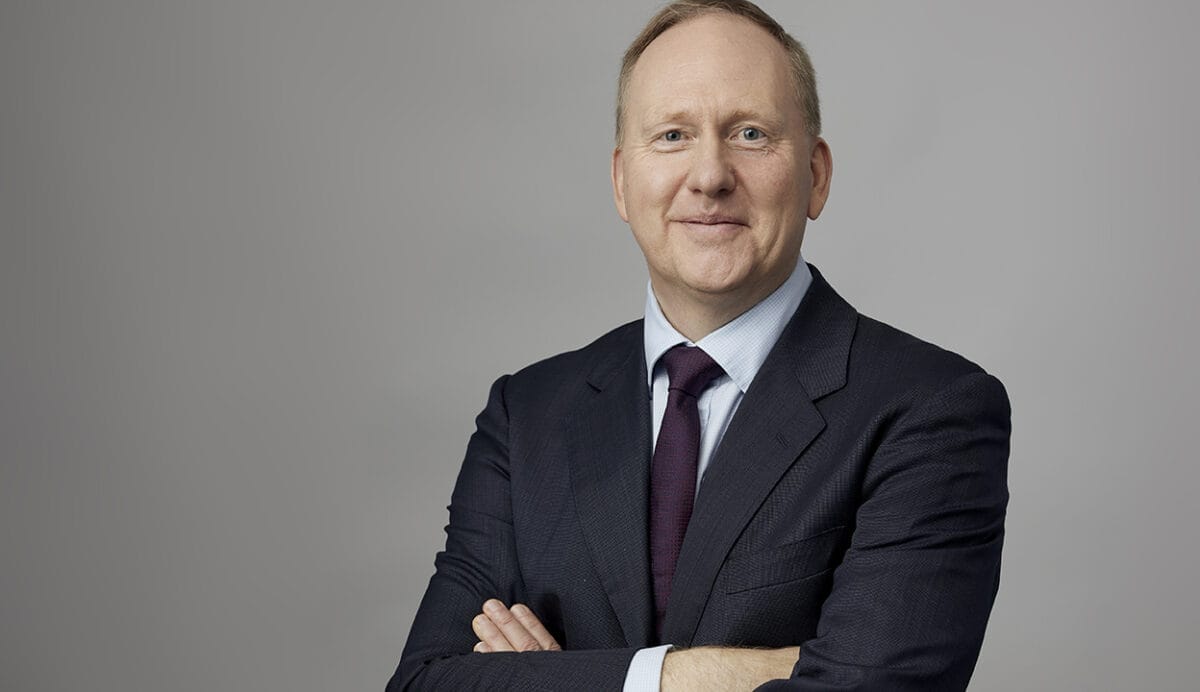
Managing director of QIC active management, Jim Christensen, says generally global macro managers are finding the present conditions difficult. “There are certain aspects they have had trouble with, for example, currency or relative equity. In the last year or so fundamental based macro strategies have struggled,” he says. Diversification overcomes this, and QIC, like Blackrock, employs between eight to 10 different risk strategies. “Equity versus bonds is such a small part of risk budget, and we have diversified away from that to a broader range of strategies,” he says.
Christensen says few, if any, products are like the traditional tactical asset allocation where all of the risk is around directional equity. Now all global macro hedge funds broaden their asset pool. “Taking a lot of risk in directional equities and bonds can be very rewarding but also very risky. TAA is now a very diversified bucket of risk, we have relative equities and relative bonds, directional equities, directional bonds, currency global and regional, volatility, and technical strategies such as trending environments.”
About a quarter of QIC’s overall risk budget is in broad macro overlays and Christensen, like AustralianSuper’s Delaney, says a high allocation is necessary to make it worthwhile. He argues that any added risk in alpha is small compared to the overall risk funds may have in directional equities by owning shares outright. “We try to increase the level of active risk in everything we do. To make it meaningful you need to run at quite high levels of risk,” he says. “With equity and bond market risk the volatility can be quite high compared to alpha. If for example you have 60 per cent of your money in the stock market it will be a big influence on the portfolio.”







Leave a Comment
You must be logged in to post a comment.