

Normal 0
false false false
MicrosoftInternetExplorer4
/* Style Definitions */ table.MsoNormalTable {mso-style-name:”Table Normal”; mso-tstyle-rowband-size:0; mso-tstyle-colband-size:0; mso-style-noshow:yes; mso-style-parent:””; mso-padding-alt:0cm 5.4pt 0cm 5.4pt; mso-para-margin:0cm; mso-para-margin-bottom:.0001pt; mso-pagination:widow-orphan; font-size:10.0pt; font-family:”Times New Roman”; mso-ansi-language:#0400; mso-fareast-language:#0400; mso-bidi-language:#0400;}
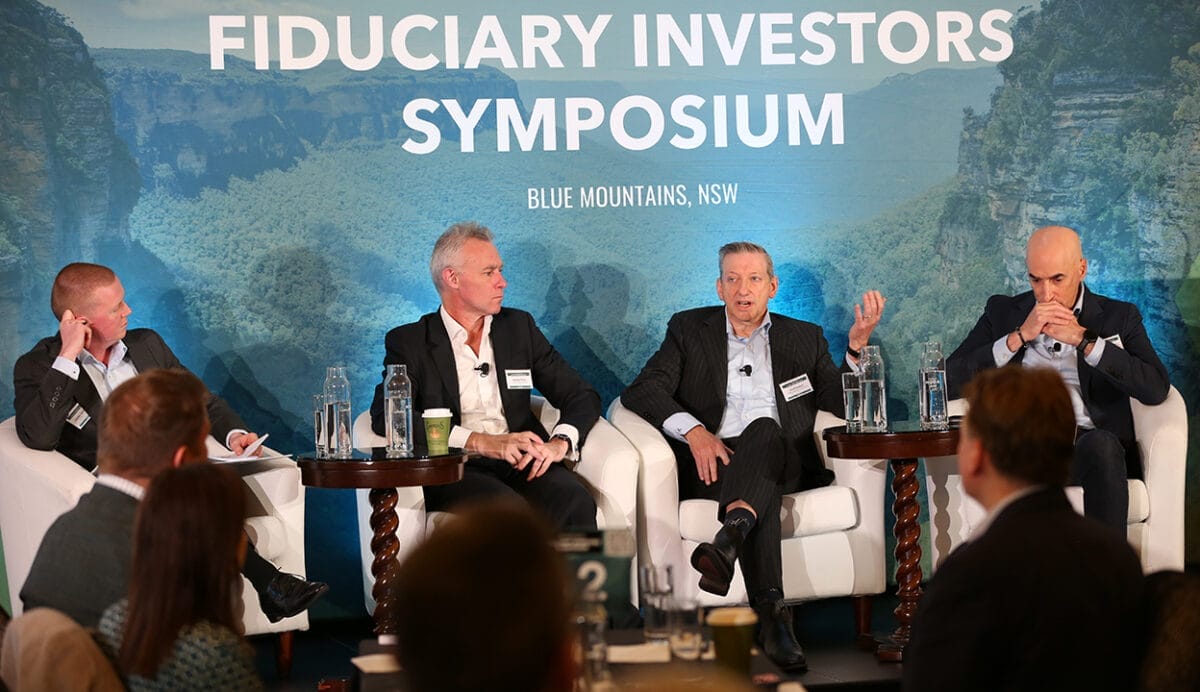
Super funds are at a critical juncture in terms of investment strategy and the winners over the next decade will be those who can take advantage of stress in the markets and buy assets quality assets cheaply. Ken Marshman, head of investment outcomes at JANA, said whereas there may have been two tailwinds over the last decade, there are now two serious headwinds which could have a substantial impact on returns that are likely to be gained from traditional asset classes. “The real question about the next decade is; will it be a mirror of what has happened over the last 20 or 30 years, or are we in quite a different paradigm?” he said.
“The reason it could be a different paradigm is because people’s assessment of risk and what they wish to be rewarded for risk could be quite different, and secondly, we know there’s been a substantial raising of debt by the government sector which has to be accommodated for in some way over the next generation.” Marshman said super funds are examining whether their asset allocation remains appropriate and considering investment opportunities in the context of liquidity constraints.
“The tussle is that we’ve got great value or apparent value on the price of assets on one hand; we’ve got the uncertainty of the future, and then we’ve got this scarcity of capital issue and how to address that,” he said. “The winners over the next decade will be those who take advantage of those who are particularly stressed in [terms of ] their liquidity needs and can buy assets cheaply, but those assets could be anywhere.
It will be about careful picking of the plums; that’s what I think will be the investment paradigm for the next three to five years.” While the recent market rally indicates funds are reallocating back to the market, Marshman said they are not investing to the extent that they were in 2004 and 2005. “It’s about smaller allocations being made and where people in the past would have accepted sound infrastructure investments on an IRR (internal rate of return) of 12 per cent, they have now lifted that hurdle rate to 14 or 16 per cent because they think ‘I’ll wait for those returns’,” he said. “That is the implied cost of capital of investing in equities today.”
















Leave a Comment
You must be logged in to post a comment.