


The scale of the financial web that binds the corporate AI ecosystem together has never been seen before in markets, and investors have little understanding of how and where it could break in the event of a serious repricing, according to Colonial First State chief investment officer Jonathan Armitage.
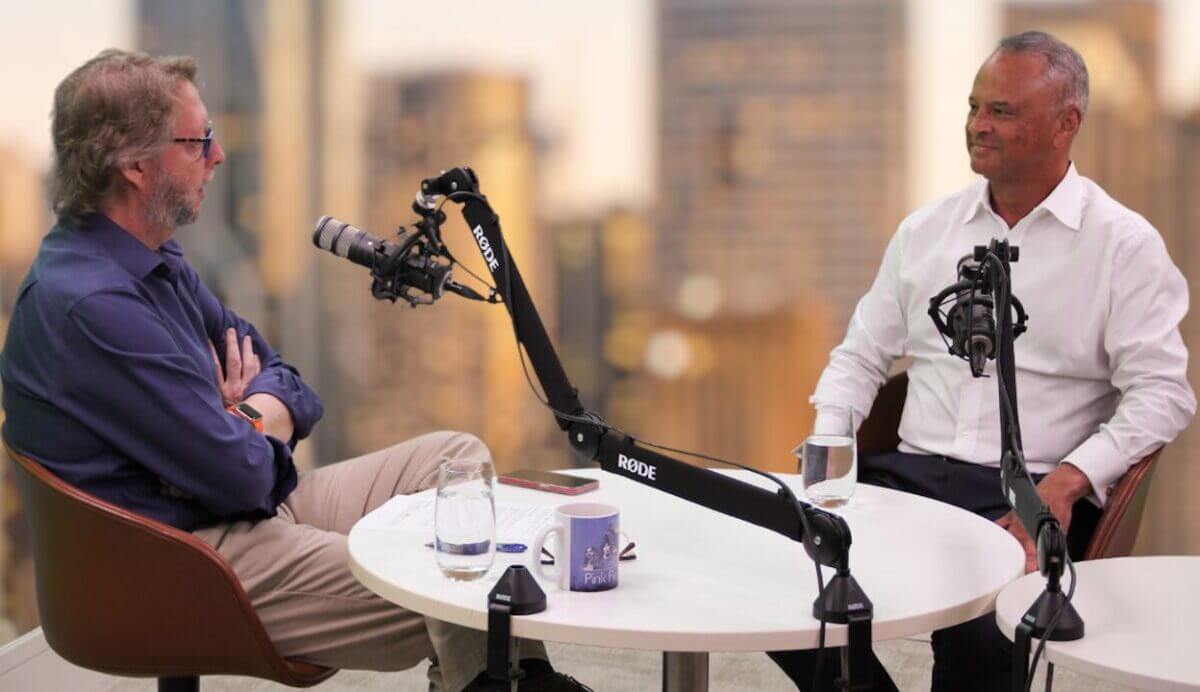
“What has emerged over the last couple of years around the AI ecosystem is a level of interconnection and cross-capital injections and cross-shareholdings which we’ve not really seen – certainly not at this scale,” Armitage told the Investment Magazine CIO Series podcast.
“And that ecosystem has yet to be tested. If one component of the system sees significant pricing risk, that is a bit of an unknown – and that’s coupled with the fact that business models are evolving very rapidly, but so are their capital structures…. That’s the sort of thing we’re spending a lot of time thinking about, and sometimes that’s at three o’clock in the morning.”
Compounding that risk is the fact that the speed of markets has changed, with prices now adjusting to new information at a “dramatic” pace.
“You’ve had a whole plethora of products, which have been offered to both institutions but also personal investors, which you could argue have provided greater price transparency but which have also added to the speed with prices can adjust to new information,” Armitage said.
“One of the things I can point to is the creation of zero-day options in the United States, where you have options that are written and expire on the same day. When I started working that would have been almost unthinkable because the technology just would not have existed.”
That doesn’t change the fundamentals of investing, but it does mean investors have to think harder about building portfolios that are resilient against wild market moves. In the GFC, it took a couple of months for the S&P 500 to fall 20 per cent; during COVID it happened in a week; when the Japanese stock market fell by the same amount it took barely more than two days in 2024.
“You need to be cognisant that markets can react quite violently, and so how do you make sure that your portfolios are resilient to deal with those more abrupt movements?”
To do that, the investment team has become more focused on how its external managers think about risk; and Armitage said that partnering with managers that share its philosophy of portfolio resilience has become more important.
“One of the things we’ve been be very clear about is that we will make a change to an investment manager if we think that what they do doesn’t fit in with the future direction of our portfolios, or if they are producing returns or doing things which are very different to the original reason we brought them into the portfolios.
“There have been a couple of examples where we have parted ways with external managers despite the fact that their performance has been very strong, but where things have been going on in terms of the way that they’ve been generating investment performance which don’t actually sit with our original thesis or they’re taking greater risk than we are comfortable with.”









Leave a Comment
You must be logged in to post a comment.