


John Brogden has asked politicians to think the unthinkable on post-retirement reform.
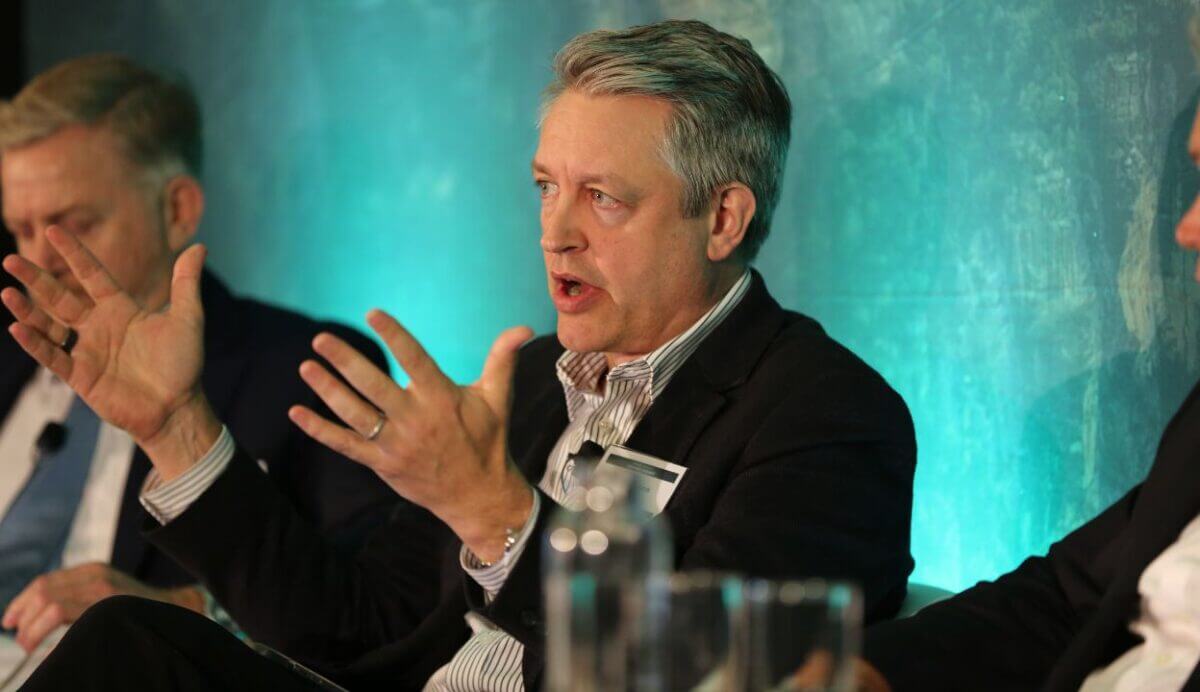
Speaking at the annual Post Retirement Conference in Sydney, the chief executive officer of the Financial Services Council called for a rise in the preservation age to “at least” 62, a convergence of pension age and preservation age, restrictions in the ease with which the lump sum could be accessed.
He admitted the debate could prove “horrifically unpopular” for a government particularly around changes to the lump sum.
“We need to have a very challenging debate about whether we allow access to the lump sum. The government could tax the lump sum and not the income stream. This will not be an attractive debate for a Liberal government,” he said.
The problem for retirees and the government was that account balances ran out in retirement at the point their medical and aging costs were starting to accelerate.
To make these changes palatable from government, he suggested a phase-in of a change in the preservation age for those in their 30s and 40s, rather than those closer to retirement.
He also called for the government to consider using the government actuary to be the arbiter of the preservation and pension age to stop it being seen as a political decision. He added that in the debate about what the government could afford, a restriction in age pension eligibility needs to be considered.
Lastly, he called for incentives to keep people in work longer, pointing out that the proportion of Australians in work between the age of 55-64 was lower than both the USA and the UK. He added that Australians, by comparison, were not very good at downsizing their careers.
He gave the example of a head teacher going two days a week as an ordinary teacher rather than retiring completely. He said he was discussing this issue with the Human Rights Commision and the Age Discrimination Commission.




















Leave a Comment
You must be logged in to post a comment.