
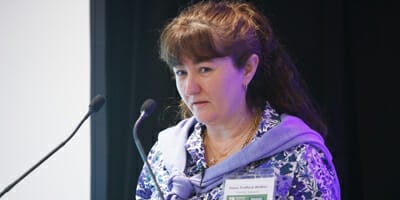

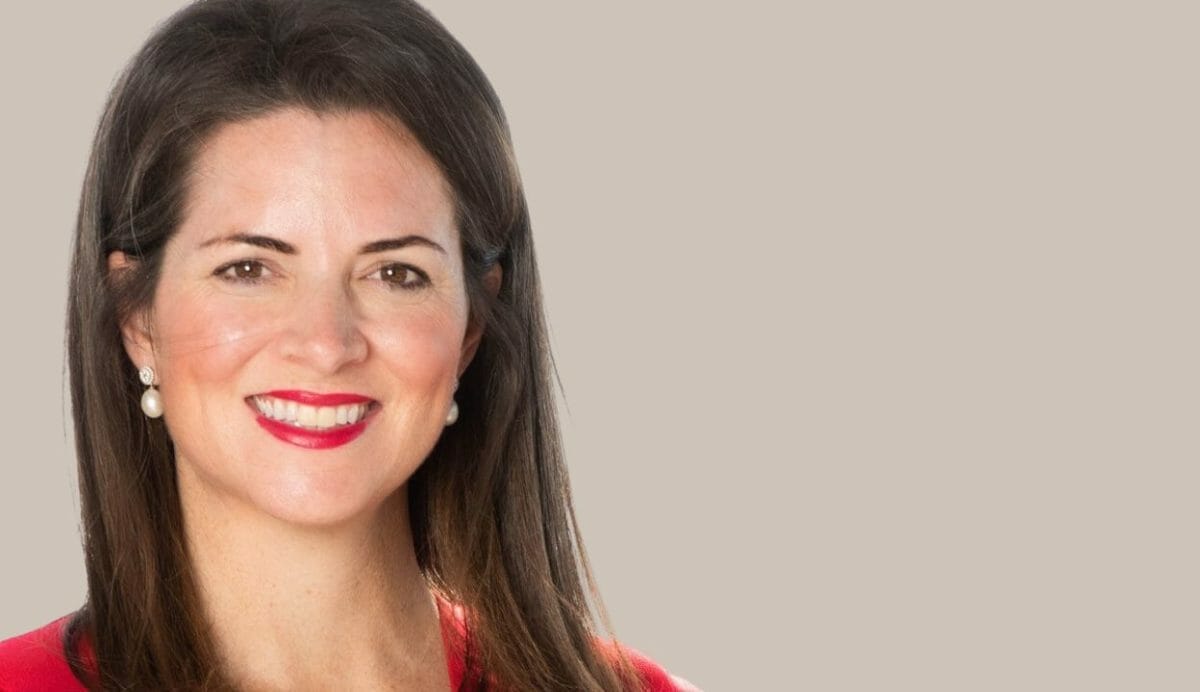
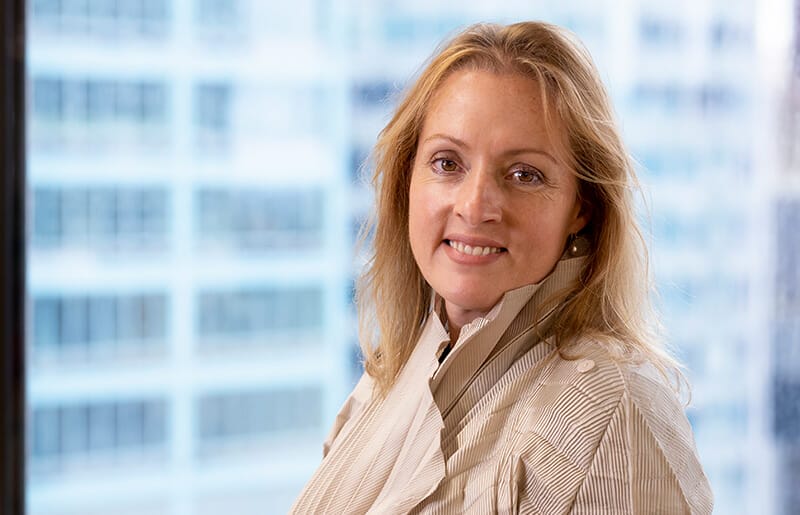
The question of who makes the investment decisions needs to move to the top of superannuation fund agendas believes Fiona Trafford-Walker director of consulting for Frontier Advisors.
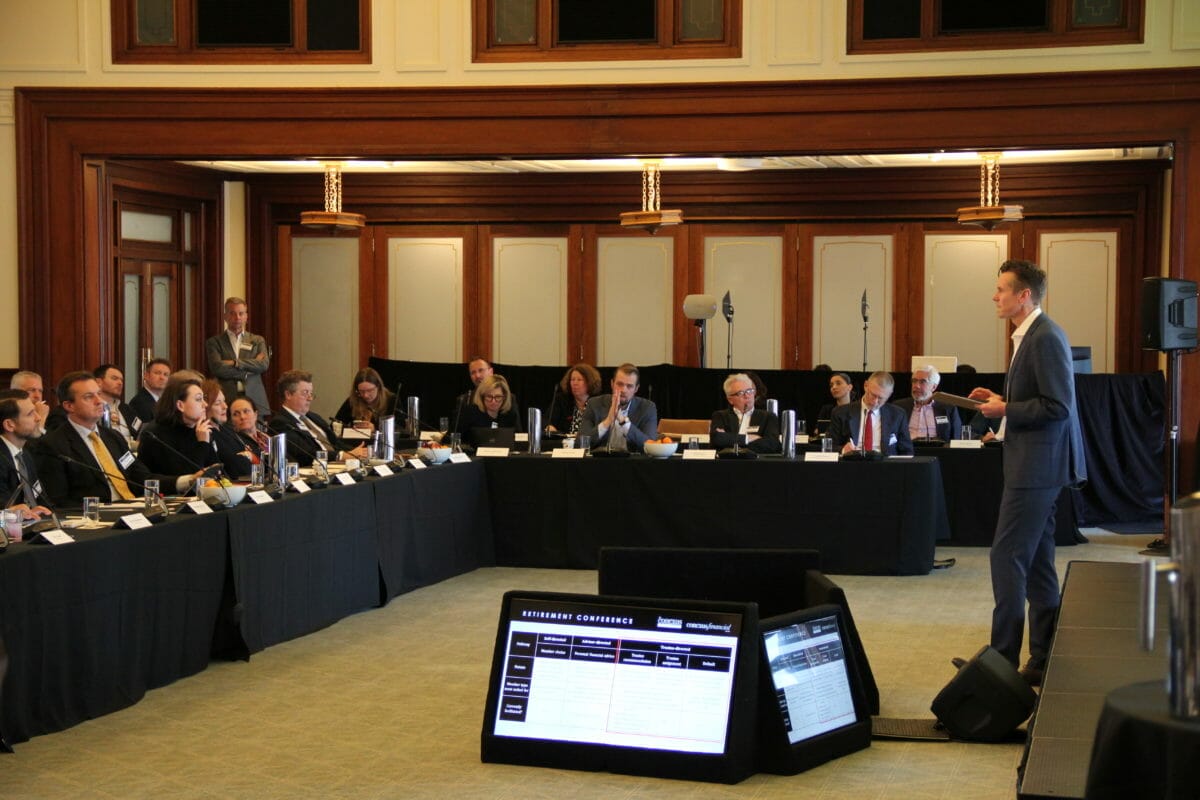
“Expect internal governance to become the new black,” she told delegates at the Fiduciary Investors Symposium at Lilianfels, Blue Mountains.
She identified the challenges for funds face as adding and retaining talent on both boards and investment teams in a lower cost environment.
“We’re already seeing more passive management against pre-determined indices, we’re seeing in-house management and funds are adding people on boards who have the expertise. But that’s not always a good thing… The best board members question but they don’t need to second guess your investment choices. If they’re investment specialists, employ them. That expertise works better in the investment teams,” said Trafford-Walker.
Other pitfalls were the creation of ‘investment silos’ or ‘fiefdoms’ which she said were already apparent where super funds have put Chinese Walls in place between their internal investment teams.
“As an asset consultant we should never know more about what your colleagues are doing than you do and, to be honest, we do see that.”
Trafford-Walker foresaw more funds merging, ultimately reducing competition for consumers, as lower fees and greater regulation come at the same time as the need for more and better talent, skilled boards and better back office systems.
Funds that have gone on record as increasing their investment teams in 2013 are AustralianSuper, Cbus, First State Super, NGS Super, QSuper, REST and State Super.











Leave a Comment
You must be logged in to post a comment.