
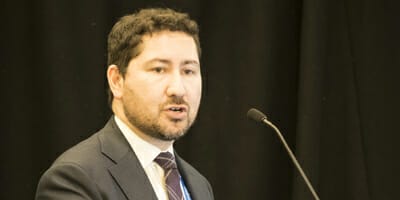

Trustees need to be providing a “chain of evidence” over key investment decisions that detail planning, implementation and risk management, according to Craig Roodt, head of investment risk for APRA.
Roodt was speaking at the AIST ASI conference on compliance with SPS 530 which requires super funds to have in place a sound investment governance framework for the selection, management and monitoring of investments, including appropriate monitoring and management of investment risk.
He described how the concept of a chain of evidence was being used by some funds to show how decisions were made and particularly why investment risks were taken and how they are compensated.
In his speech, he also emphasised the higher care that was needed for MySuper or lifecycle products which were created with an outcome in mind and greater focus was needed on whether those objectives were being met.
“Here, the reasonable expectations of members become critical,” he said. “If you fabricate components for members to use, then there should be greater oversight.”
In answer to a question from a delegate as to whether MySuper had delivered what APRA expected, he replied that the regulator would be spending a far greater amount of time judging each product on the success of its outcomes.
In addition, he answered concerns that three year investment reviews needed to take place as a single event. He said, that instead these could be done steadily over a three year period, but needed to be comprehensive.
Roodt also spoke on the importance of stress testing investments and products, particularly testing liquidity, which he described as the ultimate risk.
He said: “We are seeing increasing sophistication in how it is being applied, but there is growth for ongoing development.”

















Leave a Comment
You must be logged in to post a comment.