


Cbus is considering if it should directly invest in companies as a strategy to combat the increasing prevalence of short-termism.
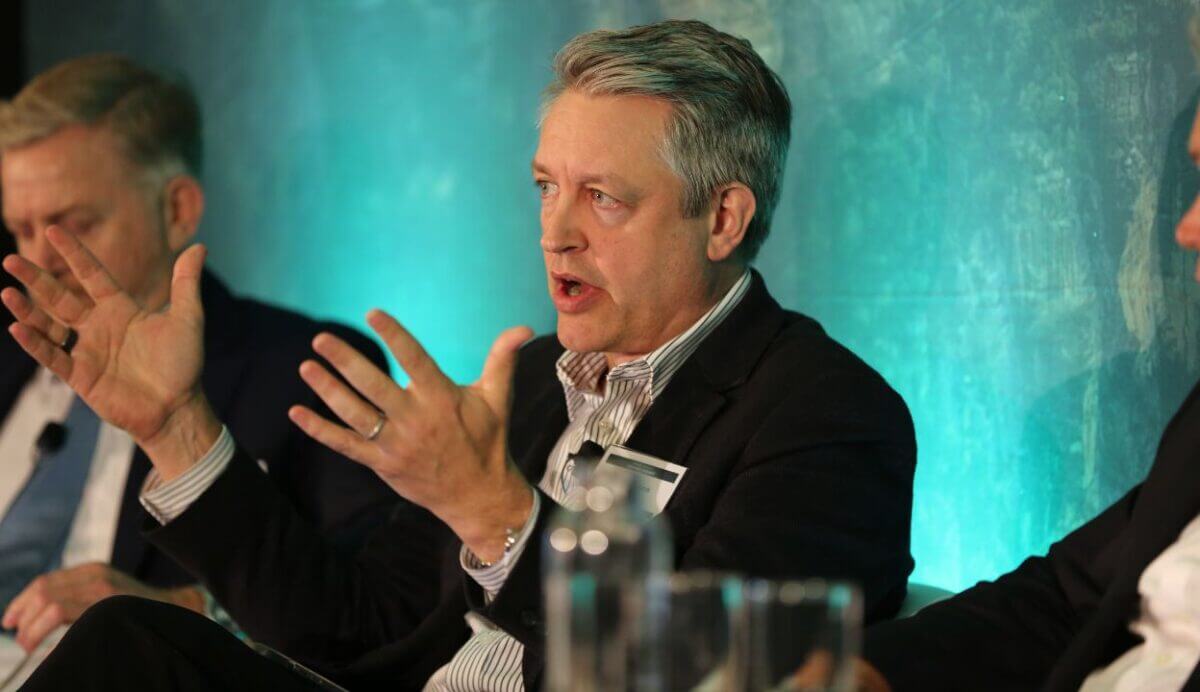
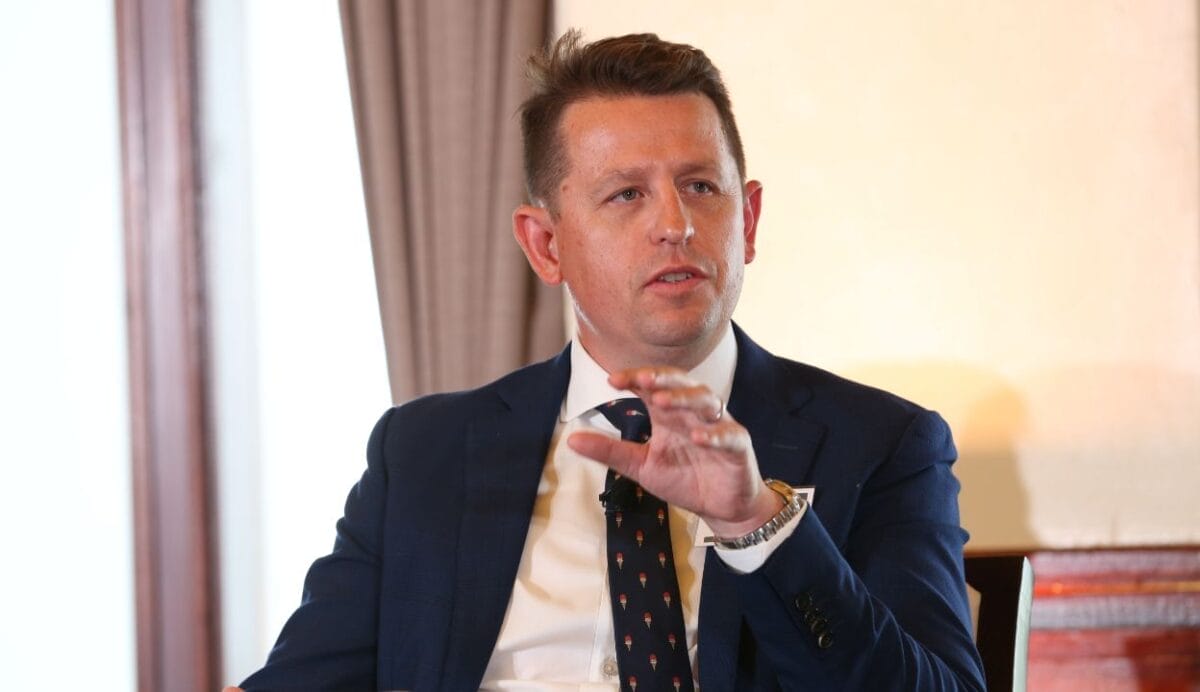
Currently the $32 billion super fund does not directly invest, however, there was potential for industry funds to partner with companies on long term projects, Kiran Singh, investment specialist of equities at Cbus, said ahead of a panel session at next week’s Equities Summit in Melbourne.
“We are in a low return environment … central banks are keeping interest rates really low, growth is low and that is a function of high debt levels around the world and an aging population – the triple D effects of demographics, debt and deflation,” Singh said.
“And being in this low return environment since the GFC has contributed to the narrowing of time horizons from fund managers but also from asset owners, who are under the pump themselves.”
He adds the increase in short-termism was to the detriment of the long-term objectives of super funds.
However, as asset owners were not under the same types of pressure from clients as external fund managers, it meant they were at an advantage and could approach companies about long-term projects.
“LNG is a classic example. They take 20 years for a minimum project, but because of this, there is a massive disconnect around the way they allocate capital and the shareholders [expectations].
“We can approach them and say, ‘You need capital for 10 to 20 years, and we think about our returns over that same time horizon,’ so there’s great opportunity for partnership here.
“This concept about how we think about investing for the longer term and partnering with companies is very highly valued by our investment committee,” Singh says, but qualifies no decision has yet been made.
Kiran Singh will be speaking on a panel at the Equities Summit August 30 in Melbourne. To register for the event click here.












Leave a Comment
You must be logged in to post a comment.