
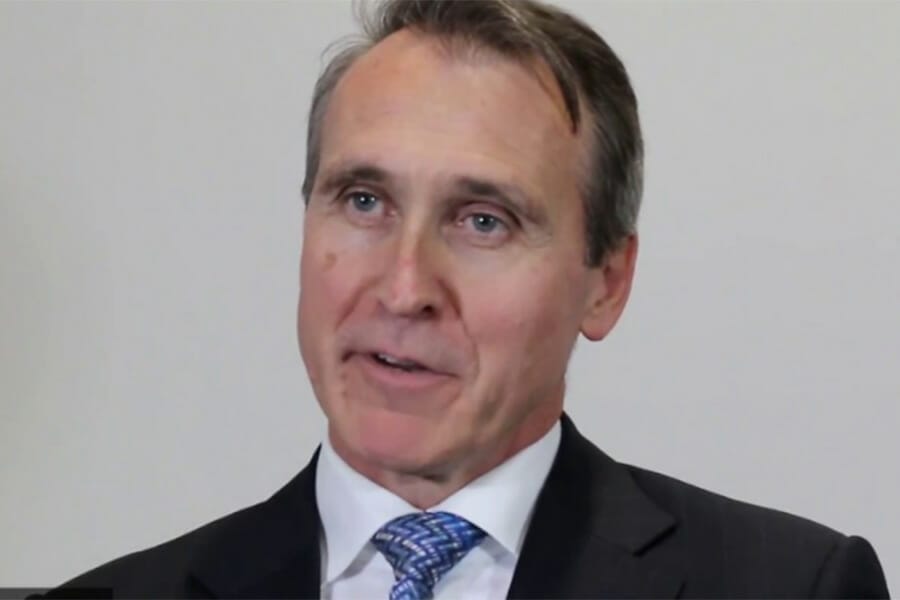

Willis Towers Watson veteran Andrew Boal has parted ways with the global advisory business, following a top-level restructure designed to replicate changes made elsewhere in the international group.
In a statement on Monday, Willis Towers Watson stated that it had merged the position of head of corporate risk and broking (CRB) into the head of Australasia role.
Simon Weaver, who has been head of CRB since early 2018, will assume the position of head of Australasia from today.
Boal, who has been with the asset consultant for 27 years and was appointed head of Australasia in 2016, made the decision to leave the business, WTW said in the statement. He is listed on his LinkedIn profile as “looking for a new role”.
“Andrew led the company with distinction, taking it through a stage of intense integration and consolidation,” WTW head of international, Adam Garrard, stated. “We are now streamlining the Australasian operations to bring them into line with the structure we have in other geographic regions that form part of our international group.”
Boal remains chair of Actuaries Institute Australia’s retirement strategy group, a position he has held since March 2017.
Weaver’s appointment “heralds an exciting era of growth” for the company in Australasia, Garrard stated.
“In all sectors of our business, Simon is committed to fostering the delivery of excellent client experiences, assisted by a highly experienced senior leadership team across CRB and human capital and benefits,” he said.














Leave a Comment
You must be logged in to post a comment.