


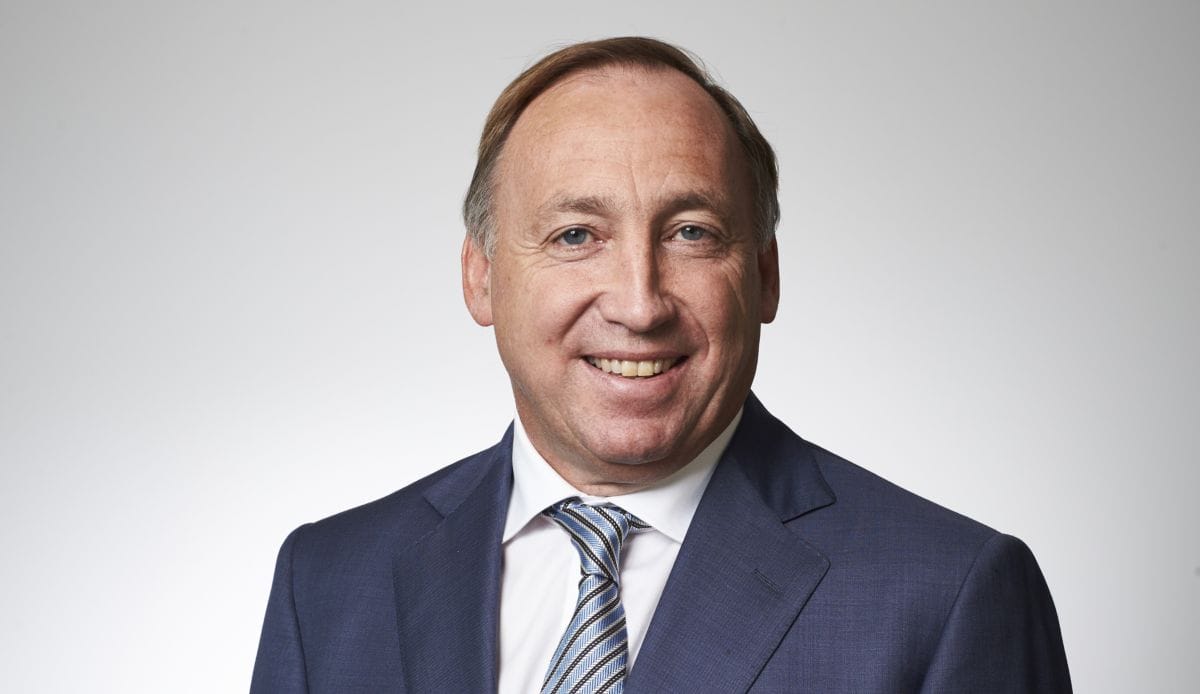
LUCRF Super has named Joseph Di Leo its new chair, after former chair Tim Kennedy stepped into the deputy chair position.
In a statement on Monday, the $6 billion fund said Di Leo officially took up the role in January 2019, after first joining the board in March 2018 as an employer representative.
“Joe’s experience enhances our level of governance for members, ensuring we are always putting our members first and growing the business to benefit their retirement,” LUCRF Super chief executive Charlie Donnelly said in a statement.
LUCRF, which was established in December 1978 by Greg Sword, predominantly represents those in the warehousing, pharmaceutical, food and agricultural processing sectors.
Kennedy stepped down from the chair position in December, taking on the deputy chair role in January 2019. He serves as national secretary of the National Union of Workers and is a member of the Industry Super Australia advisory council.
Di Leo is a former managing director of Allied Mills Australia and was a chief operating officer of GrainCorp. He said in a statement he is ”proud to be chair of a fund with such a strong history of putting members first”.
“LUCRF Super [supports] and will continue to support all workers across Australia, helping them achieve financial dignity now and into their retirement. I’m proud to be the chair of the fund that started it all and has such a strong history and bright future ahead.”
LUCRF CIO Leigh Gavin told Investment Magazine this year that one of Sword’s guiding principles was that LUCRF should be fully portable between jobs, something that is increasingly relevant with the rise of the “gig economy”.








Leave a Comment
You must be logged in to post a comment.