


Produced in partnership with Royal London Asset Management.
Delays and multiple rounds of consultation on financial advice law reform stretching back more than three years have left the industry disillusioned, and a growing number of super fund members entering retirement in a state of uncertainty and without the full benefits of appropriate guidance, let alone financial advice.
In the absence of quicker progress by government, the industry has been left to find its own ways of making advice more readily available and cost-effective, and to guide members into appropriate retirement solutions.
Among the more contentious proposals emerging is an extension of the concept of defaults, both hard and soft, from the accumulation phase of super into retirement.
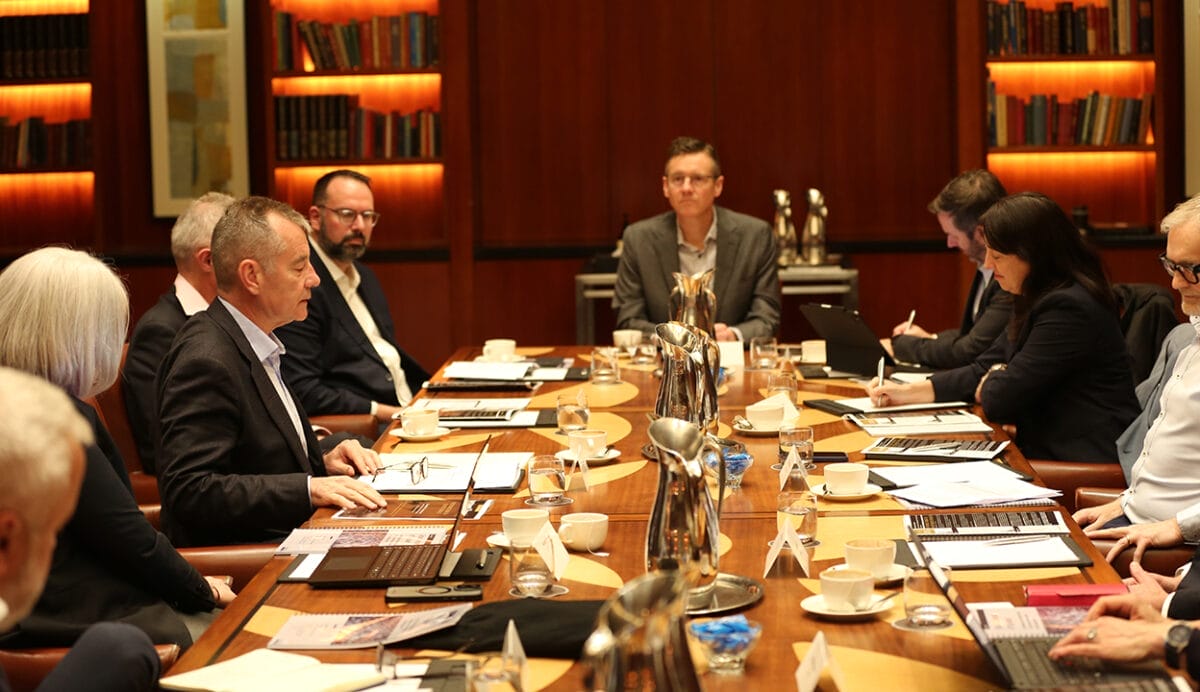
The Defaults, Decumulation and Demographics roundtable, hosted by Retirement Magazine in partnership with The Conexus Institute and Royal London Asset Management, heard that while financial advice remains the gold standard for supporting members’ transition into retirement, defaults and nudges – they are different things – do have a role to play.
The roundtable heard that with the Delivering Better Financial Outcomes (DBFO) reforms stalled, there are three likely paths ahead for delivering advice and guidance in super.
“Advice through superannuation defines the scope of trustee-provided advice by setting out the allowable topics that super funds can talk about – and that includes retirement – and the allowable circumstances they can take into account. That’s going to be under regulation,” said Geoff Warren, research fellow at The Conexus Institute*.
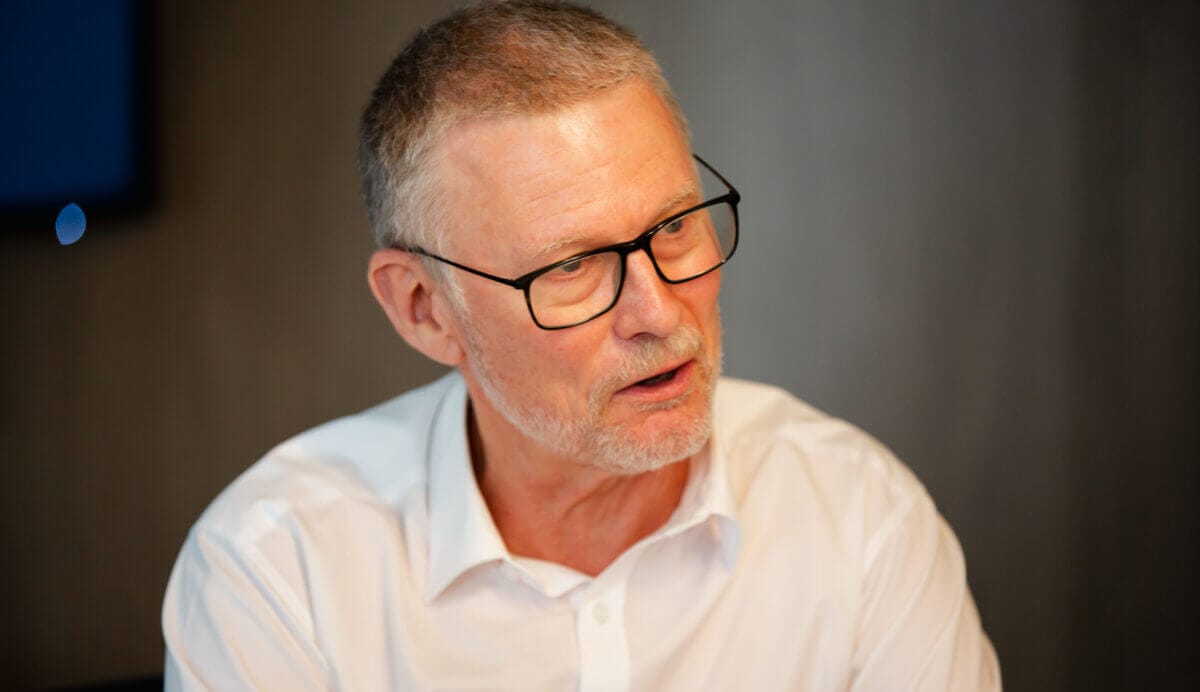
“The other one is targeted superannuation prompts, which sets requirements around nudging members. But when you look at it, it’s only nudges that are activity nudges – nudging around product is explicitly excluded, so you can’t talk about a specific product. The third one is the ‘new class of adviser’, not framed up yet, and we wonder whether that’s ever going to proceed.”
Royal London Asset Management chief executive Hans Georgeson told the roundtable that there are some differences in the Australian retirement system compared to the UK, where guidance for people entering retirement is far more structured and prescribed.
“We have a national pension guidance and advice infrastructure, something called Pensions Wise,” Georgeson said.
“It provides free, one-to-one retirement guidance. There are mandatory, quite strong nudges involved in that, and structured explanations around what’s available.
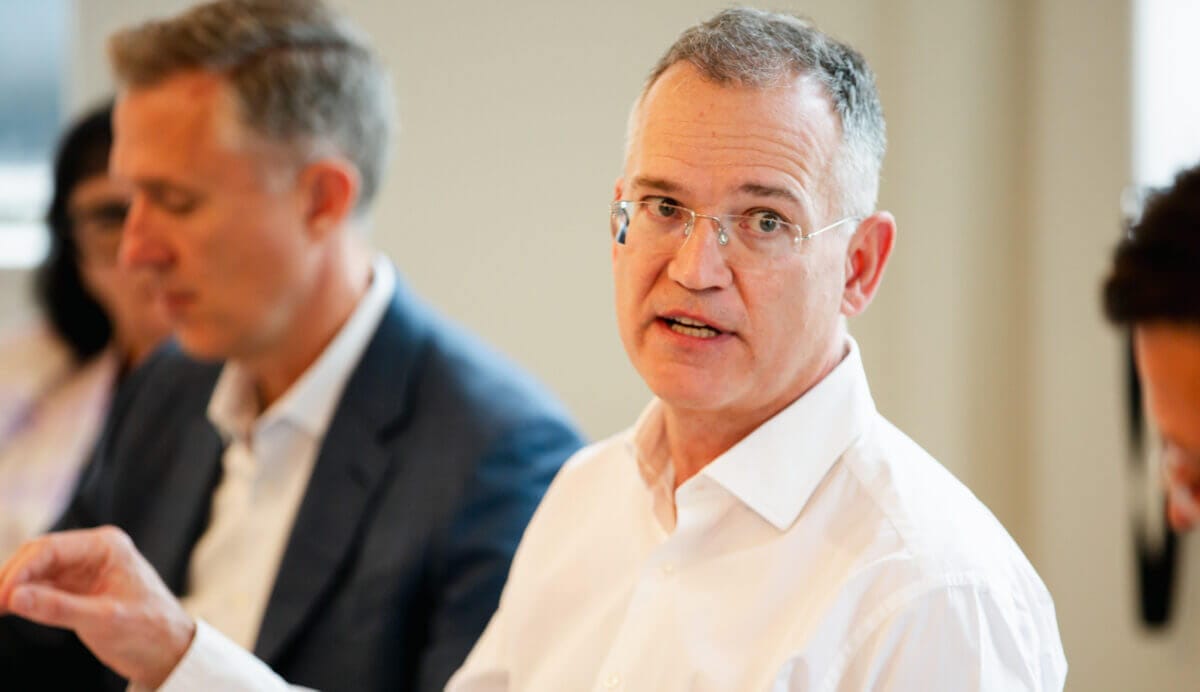
“The default retirement decision pathways are there for non-advised customers. The [Financial Conduct Authority] has required platforms to offer investment pathways for non-advised customers going into drawdown, and so you have quite a structured decision framework.”
Defaults in the picture
Warren said the role of defaults comes into the picture when funds think about “how do we advocate for those who won’t take paid financial advice for whatever reason, but do not feel confident making decisions for themselves?”
“I mean not just people who don’t want to choose for themselves, they don’t even want to go online or use digital tools. They just sit there and look like a rabbit in the headlights and do nothing.”
But even before that, the challenge is “assisting retirees to a suitable retirement solution when they differ in many ways – their personal circumstances, their preferences, what they actually want, and also how they want to engage with making decisions”.
Colonial First State group executive, customer office, Richard Burns, said that within the constraints of current regulation, “how we can do more to get more people access to advice is absolutely critical, particularly around retirement”.
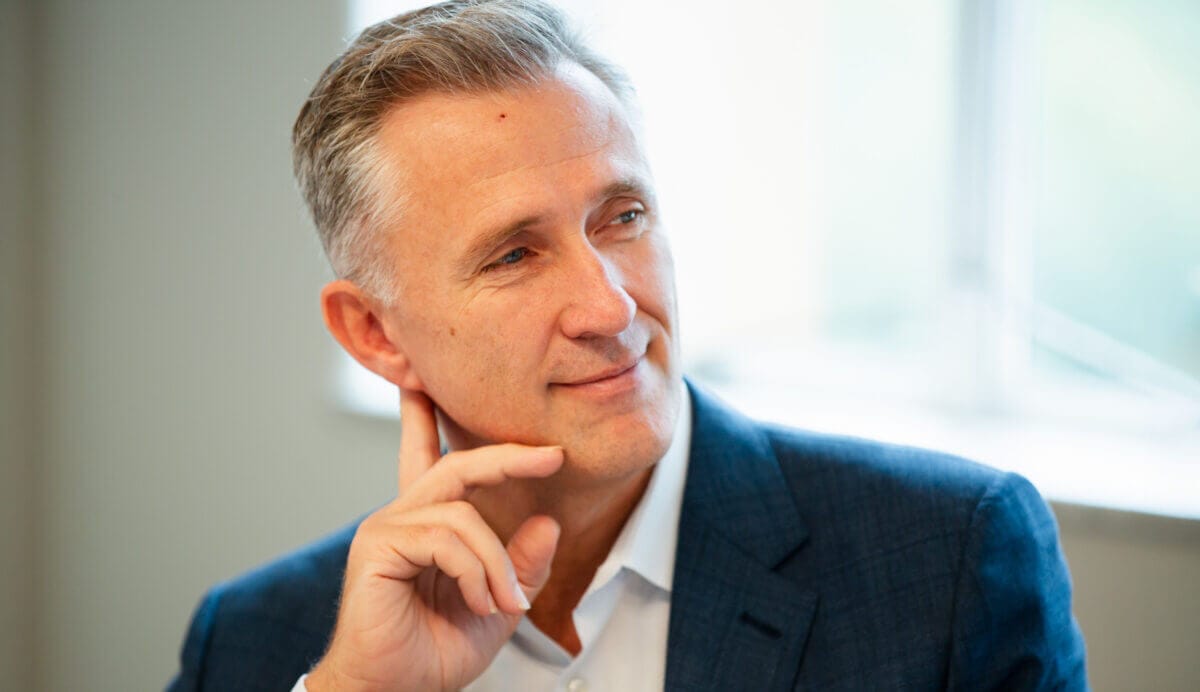
Retirement is complex, Burns said, and “[we’re] making sure we’re thinking very much around how – even within the current constraints of the regulations – how we can do more to get more people access to advice. We’re not waiting for that [regulatory change].”
A number of super funds, including some of the largest, are actively considering “soft defaults”, giving them the ability to suggest a retirement solution as a “first-offer” to members, who may choose whether or not to take it. Others are looking further, to hard defaults triggered at a specified age if a member remains inactive.
AustralianSuper head of retirement Jacki Ellis said the fund thinks of defaults as applying more widely than “just that cohort of members who, despite our best efforts, are just not engaging with us”.
“There’s so much change and uncertainty and complexity and overwhelm that comes with retiring that it’s just really hard to start,” she said.
“I think we can all relate to that in our personal lives – when there’s something that feels a bit too hard, you just basically avoid it as long as you humanly possibly can. And the thing that defaults do, as we’ve seen throughout the pensions industry globally, is provide a really powerful anchor and they make things actionable.”
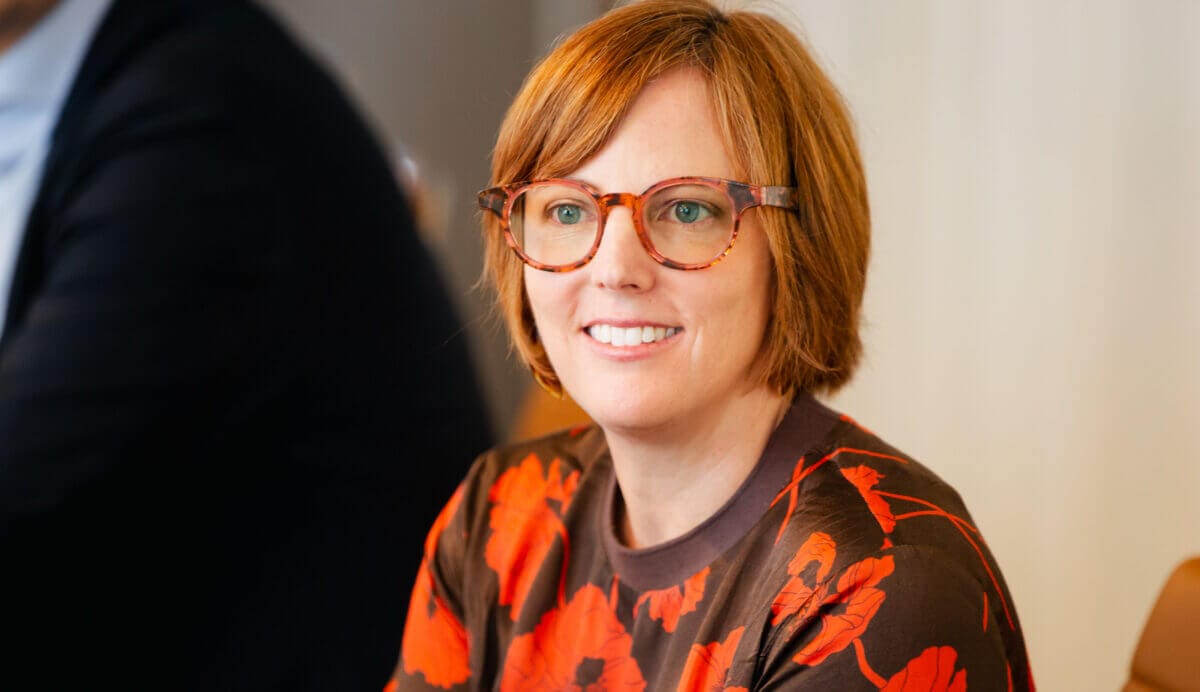
If funds can create opt-in defaults that foster member engagement, maintain their right to choose, and are sufficiently tailored to be obviously relevant, then “suddenly, in that moment, they see the value”, Ellis said.
The roundtable heard that there’s a difference between a nudge and a default, though both have an important role to play. Consultant to CareSuper and Future Fund Amara Haqqani said neither nudges nor defaults should remove the member’s right to choose.
The concept of nudges
Haqqani said the book Nudge: Improving decisions about health, wealth and happiness, co-authored by Cass Sunstein and Richard Thaler and where the concept of nudges originated, was about “choice architecture, and it was about active decision making, and I think along the way, we’ve forgotten what a nudge is. I think we’re confusing nudges and defaults”.
“Cass wrote [another] book a couple of years ago called Sludge,” Haqqani said.
“The thing about a sludge is, it’s a nudge done badly. A nudge done badly is where you’ve removed choice from people.
“Nudging should never remove choice. And even My Super itself was designed as choice architecture, which is why we have a My Super environment, a choice environment.”
Haqqani said nudges and defaults work in different ways at different points in a member’s journey through accumulation and into decumulation. Members in accumulation are typically disengaged from super, but engagement increases as retirement looms.

“[For] large chunks of accumulation, there is engagement of zero. At the point of retirement, in the year of retirement, it is more than… zero,” she said.
“A stronger default, like a My Super, or any of the nudges of the original [Nudge] book, look like they make more sense in accumulation than they do in retirement.”
Team Super chief retirement officer Sarah Forman told the roundtable the industry is working under the Super Members Council to reach agreement on what defaults should look like, and how they should be presented to members.
“The first level we’re talking about is an opt-in offer, where we advocate that it’s really hard to know all of the circumstances that ideally you would love to know, but you know what – in the accumulation phase we [already] make a default option, a MySuper option, available,” Forman said.
“But for here and now we’re saying an opt-in solution, where we can ask some element of personal information to guide which of a number of profiles might be the right profile for [a member], and guide them towards that, starting with some sort of nudge that allows us to reference a product.
“Down the path, we’d love to have a My Retirement option, but there’s a suite of profiles, and again, a pathway of gathering some personal information. And I say this because there will be a whole cohort of Australians that need and want and are open to financial advice, and we hugely advocate for that; but there’s also millions of Australians who are just never going to go [to an adviser].”
Look at the system overall
When it comes to retirement, the industry must “zoom out and look at the system overall, which is the coming together of superannuation, private savings, the age pension system”, said Andrew Gregory, chief advice officer for UniSuper.
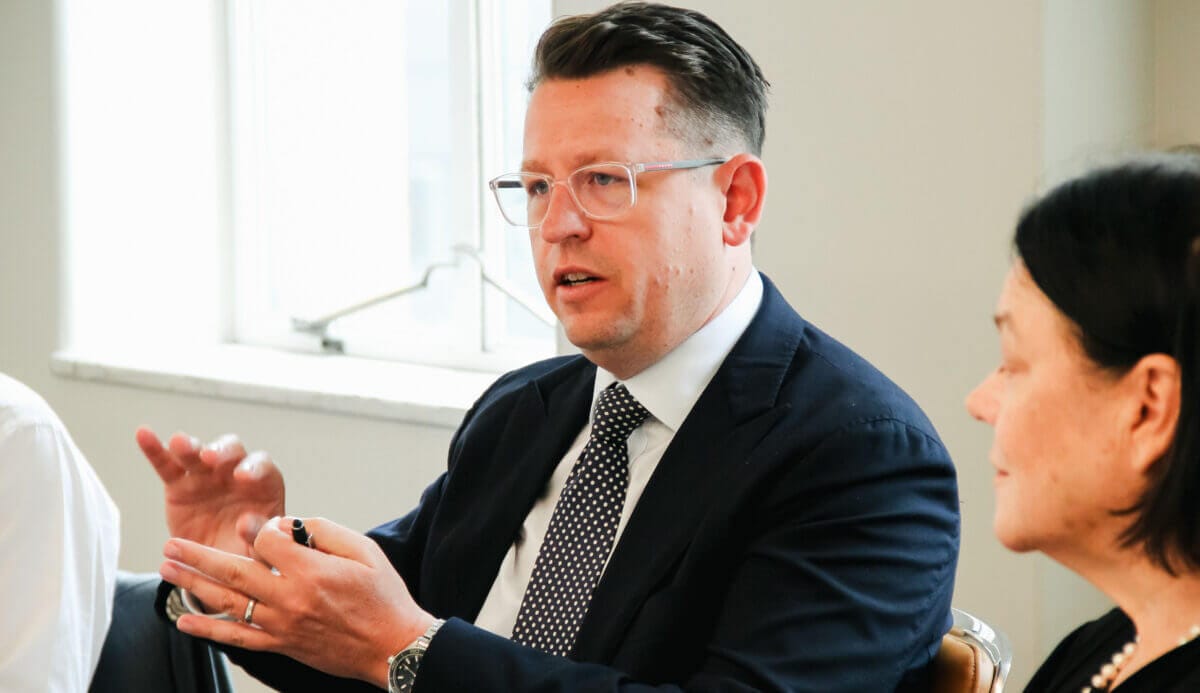
“It’s also then navigating products, taxation, regulation, and if you think of the society or membership that we’re in service of, there is a spectrum, and you’ve got those at one extreme that are professionally advised. You’ve got those [at the other extreme] that lean on and rely on the pension system, and that serves a strong purpose in Australia, it’s uniquely Australian as well. This ‘missing middle’ is the big concept that I think we must be trying to work through.”
But advice cannot be delivered at the required scale by the traditional structures for delivering advice to Australians, because the issues faced when members reach retirement are “entirely personal”, and demand personalised solutions.
“So there’s something in this for us to think through, evolving both the profession of advice, [and] also how architecture is established across financial services to solve personalisation, but to provide financial product advice in a scalable way to millions of Australians,” Gregory said.
“We talk a lot about the efficiency that can be created by allowing advisers to go from 100 to 130 clients per adviser. The problem is bigger than that. We’ve got three and a half million Australians who will go through retirement in the next 10 years. So systems really need to think differently about how we’re approaching them.”
The need to solve this issue is increasingly urgent, said financial adviser Marisa Broome, because retirement is only going to become more difficult to navigate.
“Retirees today, the golden retirees, have paid their houses off. They’ve got pretty good super balances. Life’s pretty simple. Retirees in 10 years’ time are going to retire with debt because they bought their houses later, and houses are more expensive.”
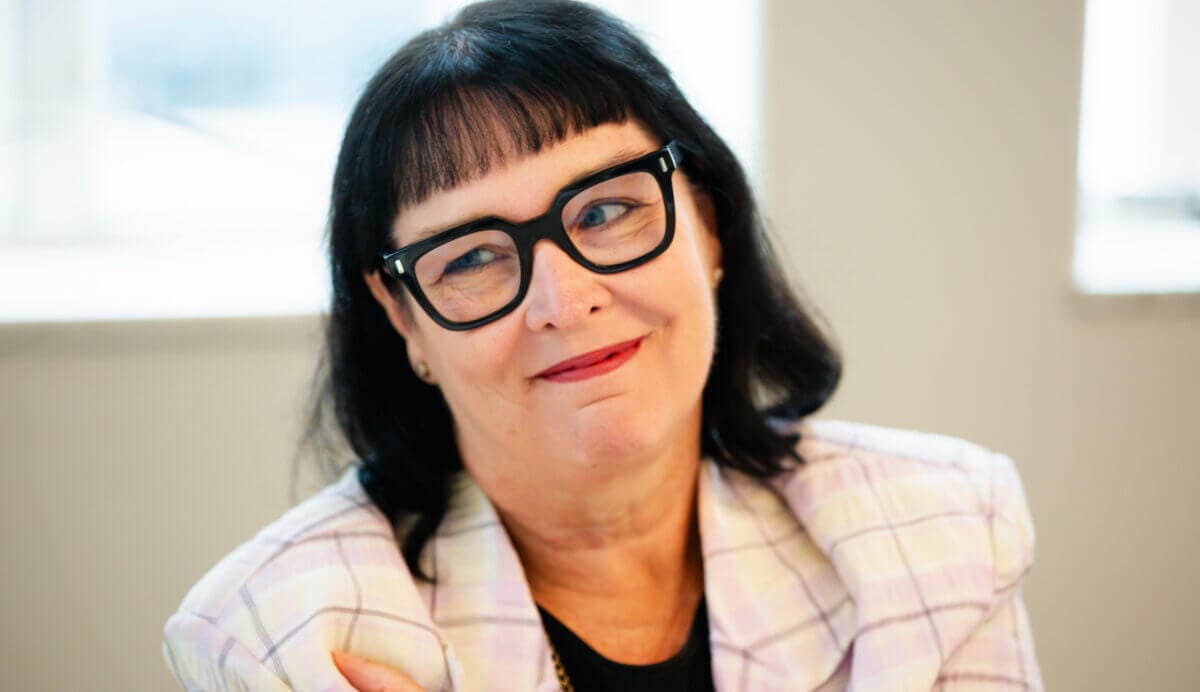
Broome, principal of financial advice firm wealthadvice, said retirees in future are “going to have more marriages, they’re going to have all sorts of other complexity”.
Broome said it’s also important to remember that providing investment advice is in fact a relatively small part of what a financial adviser does.
“A financial planner is not an investment adviser only, and I think we bundle advice together, thinking it’s one and the same, but it’s not,” she said.
“Ten per cent of what I do is investment advice. The rest of it is actually the emotional journey of making those hard decisions or working out [what to do]. It’s therapy. It’s structuring for my wealthy clients, it’s which structure should own which assets. It’s a much bigger conversation than just investment advice.”
“And if I’ve actually got a fund that has a range of defaults, or whatever you call it in there, it makes a whole lot of the other decision making much easier, because I can put them there and then revisit it next year, and revisit some of those other more difficult decisions somewhere down the track.”
Barriers to advice are real
Team Super’s Forman said the barriers to receiving advice are real and navigating retirement is complicated. Only around 15 per cent of Australians receive professional financial advice, which means millions of people entering retirement are ill-equipped to optimise their results.
“They’ve missed out on retirement bonuses, they’re paying tax on growth, on their savings once they’ve retired,” Forman said.
“They’re missing out on opportunities. And so I think the path here is, let’s find a way to help those people that will find it too complex [themselves].”
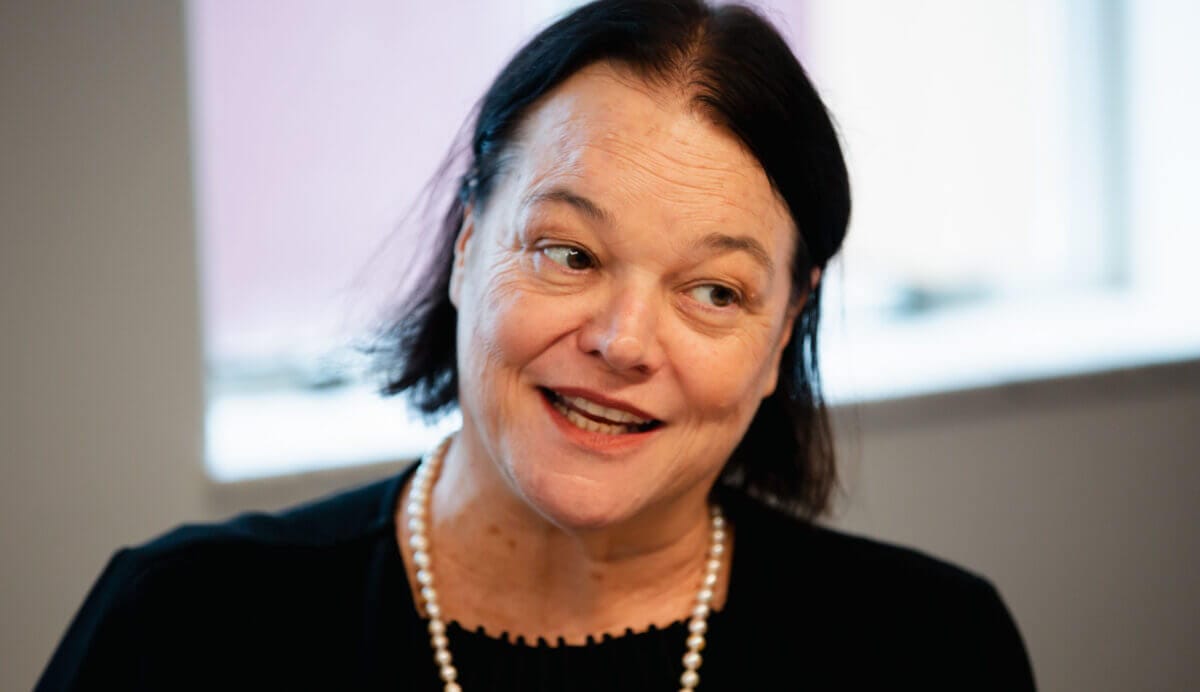
And a super fund is often a palatable place for a member to find that pathway, or to find the advice they need, because having been members for, in some cases, decades, there’s a strong bond of trust.
“We talk to them at retirement and they say, I just want to stay with you guys, because I’ve been with you for 40 years, and I really trust you, and we want to be able to have the conversations in an affordable way that help [me] navigate that.”
The trust between a member and a fund is not something to be dismissed or taken lightly, said Paul Aspros, chief executive officer of PSK Private Wealth.
“They come to you and they say they want to stay, that’s the absolute best place for them to be,” he said.
“We know that only 15 or 20 per cent of Australians get advice. The rest… are not getting advice because they don’t trust an advice professional, they can’t afford it, or they think they can do it on their own. You’ve already solved for the trust piece, so then the problem we need to solve is the cost piece.”
And funds need to do that themselves, because the structure and economics of professional advice firms are not conducive to delivering low-cost advice at scale.
“If I think about our practice, we’ve got 350 people, [including] 80 advisers. So that’s about three and a half people supporting each adviser,” Aspros said.
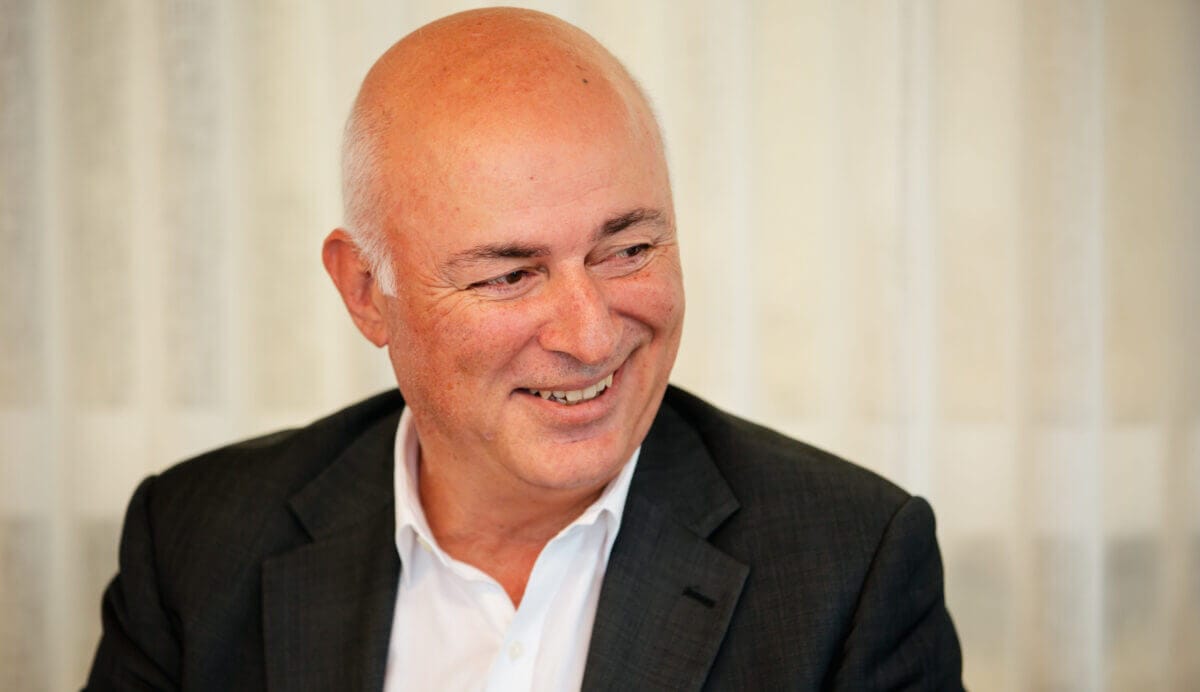
“Call it $100,000-ish per person, there’s $350,000. The cost of the adviser is somewhere north of that; the cost of rent, Professional Indemnity insurance – all of a sudden, you’re at $700,000 or $800,000.
“If [each adviser] is looking after 100 clients or 150 clients, that [requires a fee of] $5000, $6000, $7000 per client.”
Customise to within an inch of its life
But there is often no need to customise to within an inch of its life the entire planning process for every individual fund member, according to Adrian Gervasoni, executive manager of advice services for Industry Fund Services (IFS).
“When an adviser meets with members, the advice looks remarkably similar from client to client. What changes is more a function of what they’ve already got. That’s why we’ve got to simplify what the proposition is,” he said.
“The valuable bit that the member gets is the confidence to proceed with something. Now, of course, there are outliers, people with genuine complexity and more funds under management; I get that, but they’re already pretty well served by the financial advice market in some way or another. But you’re missing the middle.”

Gervasoni said that if the industry continues to focus on “how consumers are different from one another, that leads us to [say] financial planning is the answer, let’s make that more cost effective to provide”.
“Well, the market has already determined that financial planning businesses would rather deal with smaller groups of clients being profitable. There’s nothing wrong with that, but it’s just what the market already does.”
AustralianSuper’s Ellis said that the advice super funds provide will be more effective “if we create the nudges at the start of that process, through the opt-in defaults, that helps the member get started in the process and move through into, hopefully, something a little bit more personalised through whatever scalable or comprehensive [solution] – depending on their circumstances and desires – they need”.
The guidance and information provided to members as they retire can be as general or as targeted as the individual member feels they need in order to make a good decision. Chant West general manager and The Conexus Institute advisory board member Ian Fryer said the key to delivering it at scale and cost-effectively is often technology, which some funds are using well and others are not.
“I think the key is, we’re not looking for one thing [to suit everyone],” Fryer said.
“We’re looking for a process. I think it starts off with an opt-in. Someone looks at that and thinks, okay, that could be me. But then there’s a message from the fund saying we’ve done this opt-in based on what we know about you, but we don’t know everything about you, tell us more about you and we can do something even better.
“And then that moves down from just a prompted choice to a sort of guided choice, where there’s a bit more [about the member] taken into account. There’s a process and opt-in can be a really important part of that. Then it can extend to simple advice or extensive advice.”
Best ways to engage
Fryer said the availability of opt-ins will be one of the best ways funds can engage with members. But giving the member enough context to know whether to use it is also critical.
For example, “one issue at the moment with drawdown rates is that on most application forms there’s a box [for] saying you want to take the minimum, or there’s an empty box [to say] you want to do something else”.
If a member doesn’t know what “something else” is, they’ll generally opt for the minimum, Fryer said.
“But if we have some sort of prompt, like saying someone your age can probably take out a bit more, we’re seeing some anchoring around those.
“If you give someone something that’s reasonable as a starting point, then they can either take that, [or] I think a lot of people will actually go further and get something that’s actually quite well suited to them.
“But if you don’t have that starting point, people are just saying, Well, what the hell?”
The Conexus Institute’s Warren said funds must be careful about defaults being interpreted by members as a recommendation.
“I’m thinking about the cohort of members who say, ‘I have no idea, just tell me what to do’,” Warren said.

“What would be perfect is if they see the default, think, ‘maybe I should do something better’, and go and speak to somebody. I think a lot will do that, and that will be a positive. But if people anchor on defaults – it goes back to the sludge argument – some people will just go, ‘okay, that’s a good recommendation, let’s take it’.”
CFS’s Burns said a lot of the firm’s research shows that members really do not like the idea of a one-size-fits-all solution.
“We do a lot of research with our customers, and what we see… is the very individual needs of customers,” Burns said. “We’ve also got to be very careful about assuming too much from what we can see of where they’re investing. We often see a small slice of their overall wealth and life.”
Burns said the industry still is not doing a great job of instilling confidence in retirees, and human contact in the process remains critical.
“I think the soft default as a click-through – just click through, don’t really worry about it – [is not] helping them have a really confident retirement,” he said.
“We know that when someone has spoken to someone, their level of confidence in their decisions goes up. And it’s not just one conversation, it’s then, okay, what’s next, and what’s next after that?”
Not much time
The scale of the wave of members approaching retirement means there’s not much time to get responses right and to have policymakers come on board with the support required to help funds do the best job they can. Funds should be doing all they can, with or without policymakers.
Royal London Asset Management’s Georgeson said the good news is that when an industry gets its act together and co-ordinates its activities, it can be a powerful force for change.
“What stands out is you solved the first problem, which is the accumulation piece, and enormous credit. As an industry, I think what you have is, in many ways, a problem fallen out of your success,” he said.
“One of the things that we found very, very powerful was the alignment of the industry, and that’s a tough thing to achieve. It took us [in the UK], I would say a decade as an industry to get our own alignment. But at the point in which you get industry alignment, your power and your influence over policymakers and regulators is enormous.”
* The Conexus Institute is a not-for-profit think-tank philanthropically funded by Conexus Financial, publisher of Retirement Magazine.


















Leave a Comment
You must be logged in to post a comment.