
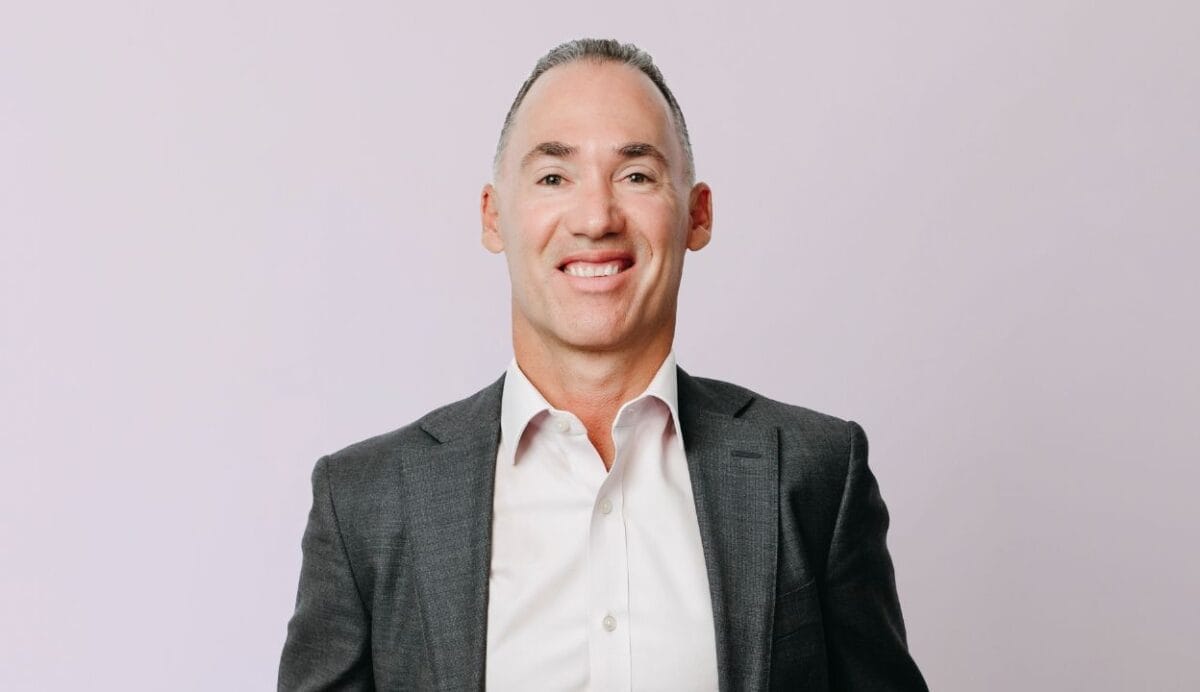
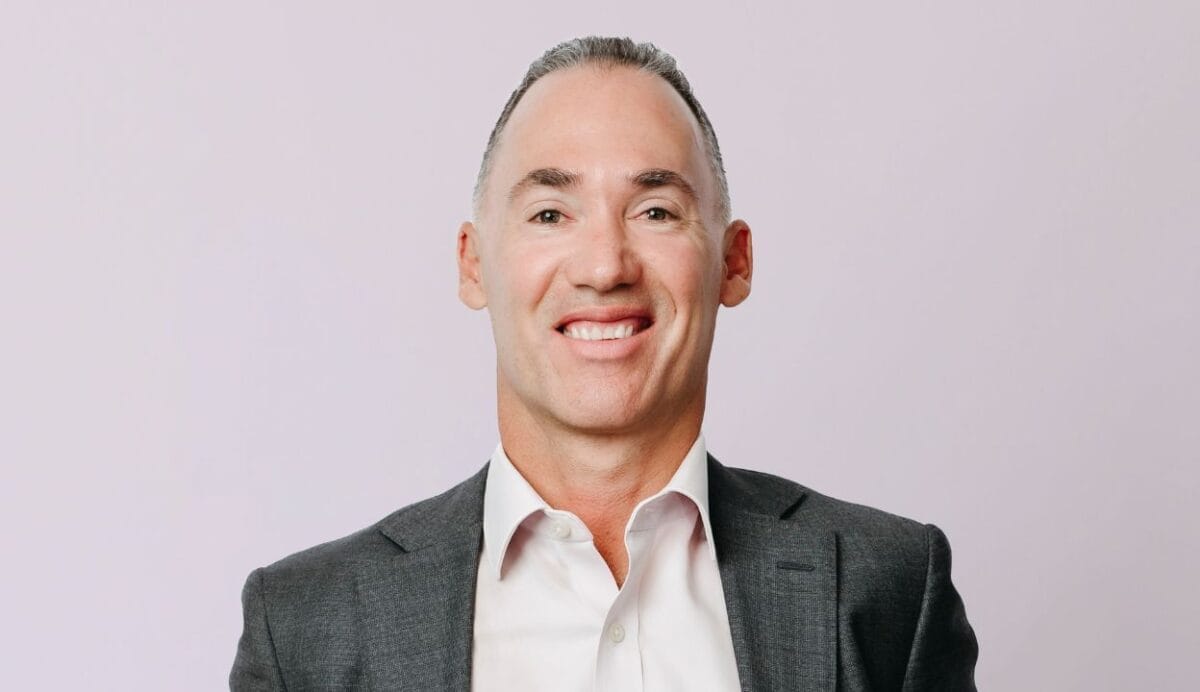
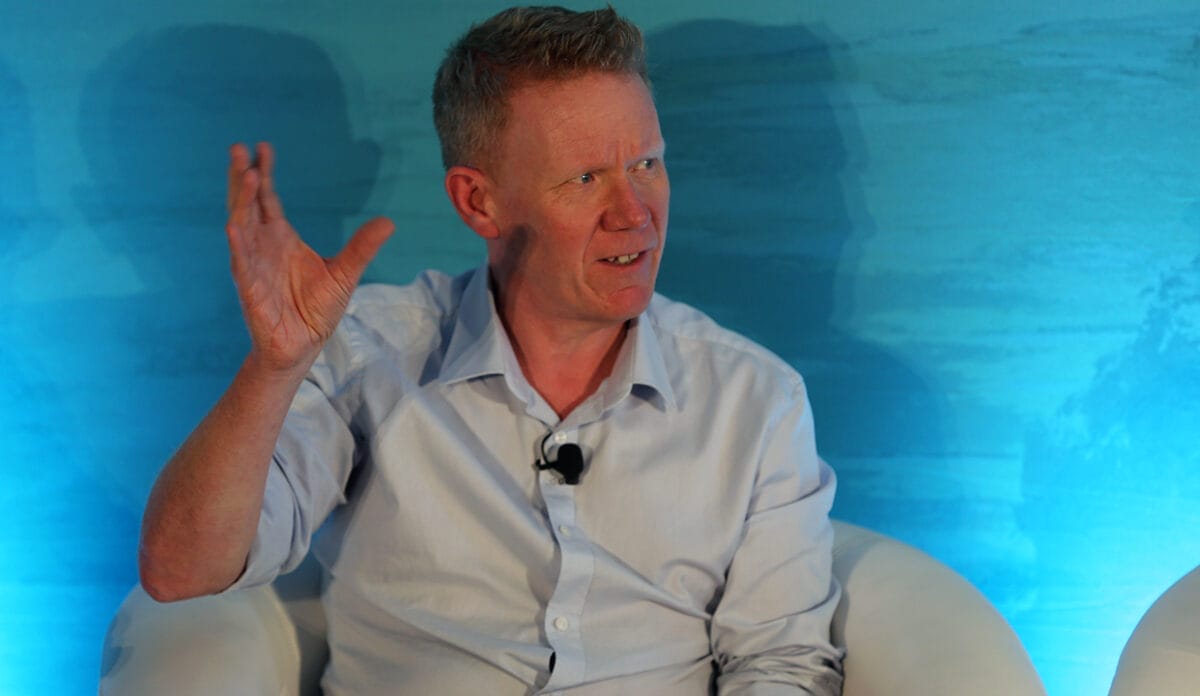
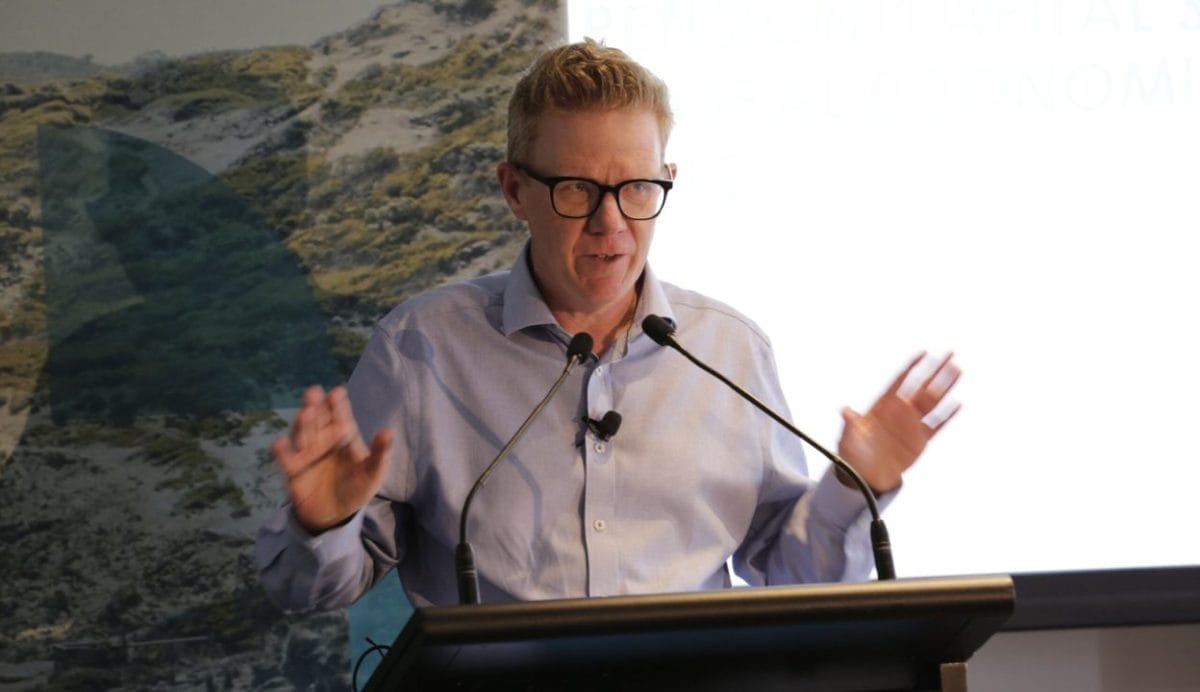
Australia’s energy system was largely built in the late 80s and needs to be replaced almost entirely, according to Sam Reynolds, chief executive of Octopus Australia, who said the need is even more pressing with electricity demand set to soar amidst the data centre boom.
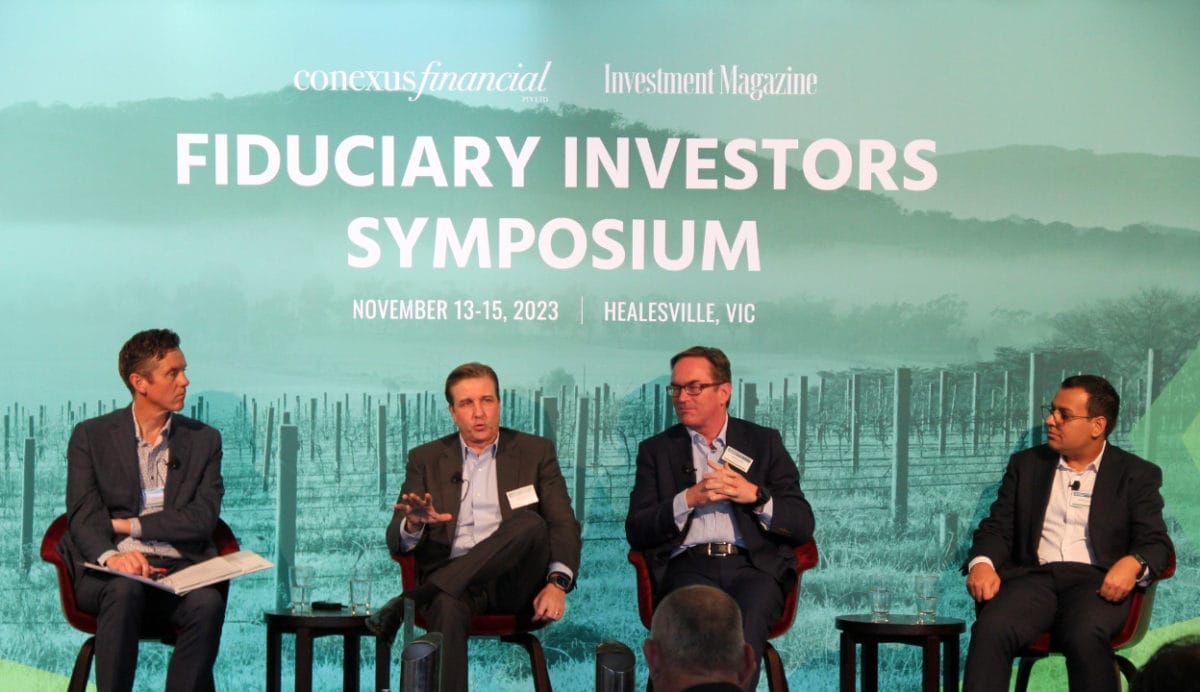
“We’re not adding energy back at the rate needed to replace the coal,” Reynolds told the Investment Magazine Fiduciary Investors Symposium in the NSW Blue Mountains. “Even if demand stayed constant, it would still be a challenge for our energy system and our energy price. When you have a supply/demand dynamic [like that], either your energy price will go through the roof or you’ll have blackouts.
“Demand is going up 50 per cent between now and 2035 in Australia, and that requires, on top of what we do need just to replace coal, another $30 billion to $40 billion in new renewables. All of this is coming to Australia in the next five to 10 years, and so it is going to be inflationary, it’s in everyone’s portfolio companies, every part of the environment is going to feel some of the pain of this electricity shock.”
Reynolds estimates that the current split of international and domestic investment in Australian energy is roughly 70/30 (though 50/50 in Octopus’ funds). APG Asset Management, which invests on behalf of Dutch pension fund APB, has been a high-profile backer of Octopus, tipping A$1 billion into its flagship renewable energy platform OASIS in 2025.
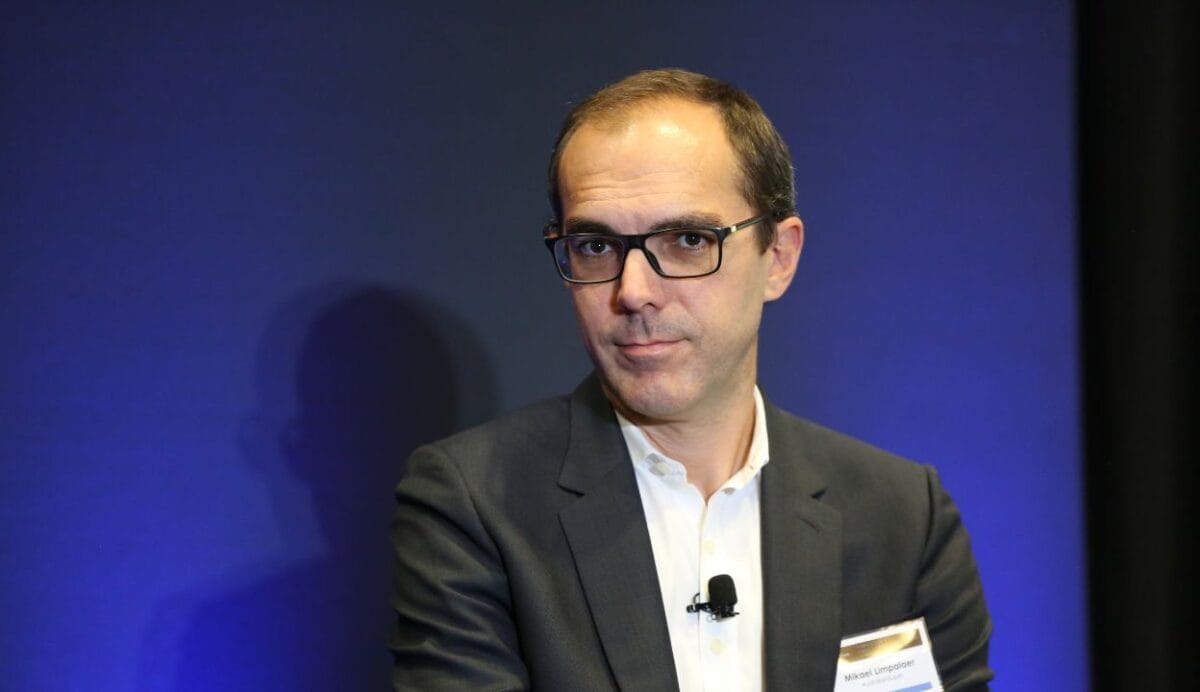
“Australia stands out as one of the more mature and investable markets,” Hans-Martin Aerts, APAC head of infrastructure and private natural capital at APG, told the symposium.
“It has a stable political, legal and regulatory framework, which is particularly attractive for long-term investors like us seeking predictability – especially in the current market environment, where we’re finding ourselves in a period of macroeconomic uncertainty, geopolitical volatility.”
Which isn’t to say that investing in Australia is without challenges. Aerts said the complexity of the planning and permitting process in Australia is out of step with other developed jurisdictions.
“It does take a long time for wind farm, but even for a better energy storage system it’s taking quite a bit longer than what we’re seeing other geographies. In certain areas we’re also seeing workforce capacity limitations – we do see that it can be challenging, from time to time, to have the right workforce with the right capability set.”
Reynolds said that regulations like Your Future Your Super have held back super fund investment in the domestic energy market, but added that funds should “have another look” with Treasury proposing changes to the performance test.
“It should be part of your infrastructure book, because you should have an inflationary hedge in there. If you’re looking at data centres and not energy, it’s something you should really have a look at,” Reynolds said.
“Australia could end up being 200 per cent renewables, a real AI data hub; we’ve got plenty of land, wind and solar resources to create our own energy. They used to talk about Australia as a Saudi Arabia of renewable energy because there is so much we can do. We are the luckiest country in the world for energy. We haven’t quite got it right yet, but if we can it’ll be amazing for us and the future.”

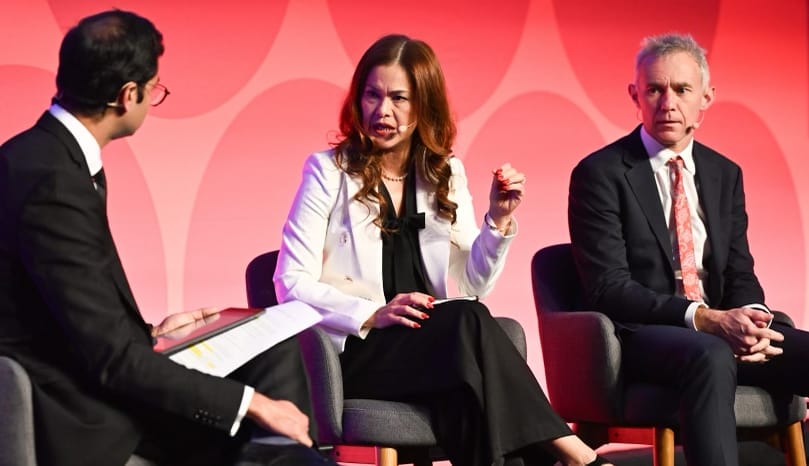
(L-R): Lachlan Maddock, Sam Reynolds.

25 May 2026 15:45
Infrastructure
Australian pension fund capital is uniquely well-suited to backing long-term global investment trends, but it will work best when it builds partnerships with funds, governments and businesses from like-minded nations. A memorandum of understanding signed by Australian and Canadian pension funds will help set policy to improve investment opportunities.





Leave a Comment
You must be logged in to post a comment.