


The nation’s second-biggest super fund, the $370 billion Australian Retirement Trust, says the government shouldn’t pursue any ban on advice fee deductions for super switching.
The proposal was made by Treasury during consultations on trustee obligations that have been launched in the aftermath of the $1 billion Shield and First Guardian collapse.
ART, which doesn’t have a comprehensive internal advice channel, relies on a panel of over 6000 registered advisers, who provide advice to members with over $42 billion in funds under management.
The fund is predominantly the amalgamation of industry fund Sunsuper and public superannuation scheme QSuper and is a key member of industry fund lobby group, the Super Members Council.
The SMC also didn’t support the advice fee from super account ban, but called on the government to add advice caps. However, ART is advocating only for trustee-led caps rather than an industry standard.
ART general manager advice licensee services Evan Poole tells Investment Magazine sister publication Professional Planner that working closely with advisers is part of the fund’s DNA.
“We have a strong belief that, as a general rule, advised members can end up better off,” Poole says.
“More than a decade ago, Sunsuper made the considered decision to partner with the adviser community, and was among the first industry funds to do so. Those relationships continue to have a profound impact on the importance that we place today on enabling our members to be better educated and better advised about their super.”
Through its submission to the consultation, the fund is also opposing suggestions for a mandatory five-day waiting period for all inter-fund switches.
“A blanket approach would capture many low-risk transactions, like those between APRA-regulated funds,” Poole says.
“That would add operational complexity and cost without materially improving member protection or outcomes. We don’t support changes that make good advice harder to access or act upon.”
However, the fund is supportive of a clear prohibition on harmful lead generation practices, with the caveat the reforms do not unintentionally restrict legitimate engagement that helps members make informed decisions about their super.
It follows a similar line to the SMC, which called for an outright ban for lead generators in financial advice, but for any law to have “targeted carve‑outs for safe, legitimate education and communication activities” to protect “legitimate” member communication.
“What we do support is targeted reforms that protect members from harmful conduct,” Poole says.
The consultation on trustee obligations also covered policy reform for lead generators in financial services, as well as the sustainability of the Compensation Scheme of Last Resort.
Other proposals within that package included requiring trustees to compensate members for losses, mandatory holding limits for investments, ending ‘but for’ determinations from the CSLR, requiring lead generators to have an AFSL, and greater intervention powers for ASIC when it comes to public communications.
That consultation also followed earlier consultations launched to address managed investment schemes and professional indemnity insurance.
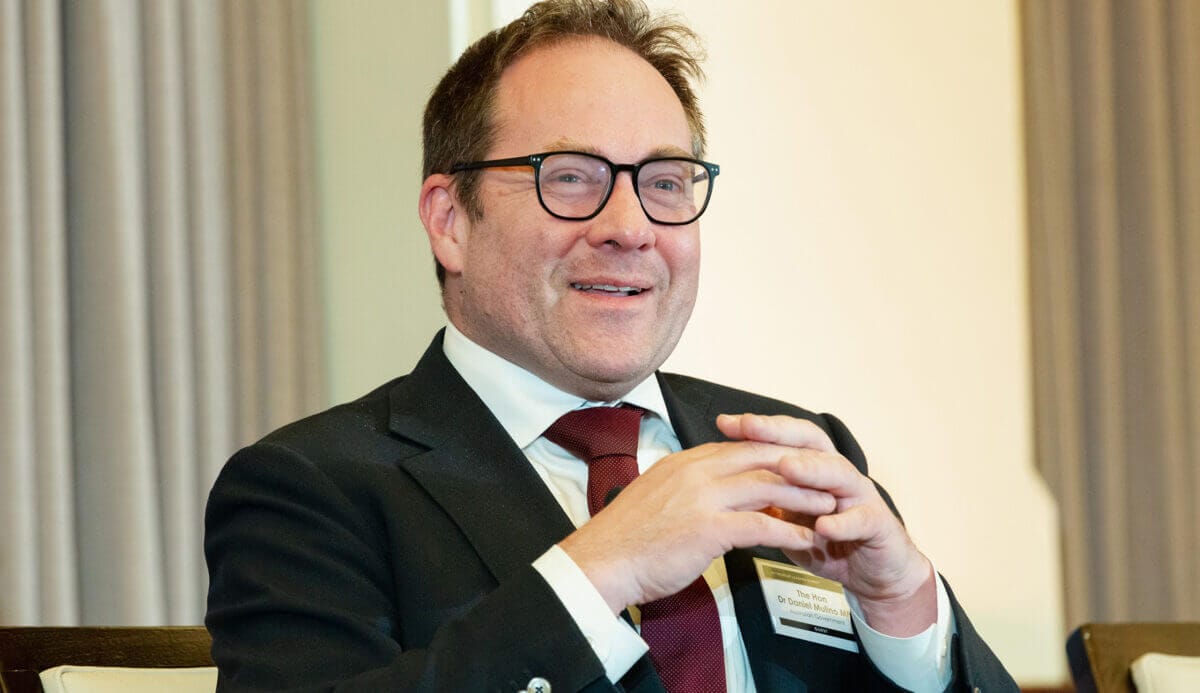
Minister for Financial Services Daniel Mulino will be addressing the National Press Club in Canberra on 19 August with details on the government’s policy plan post-consultation.
The reforms have impacted the future of DBFO, which has seen only part of the Quality of Advice Review recommendations turned into legislation.
Further draft legislation was tabled before the end of former Minister for Financial Services Stephen Jones’s tenure and other parts are yet to be released to the public.
This included replacing Statements of Advice with Client Advice Records, changes to the Best Interests Duty and the introduction of the controversial New Class of Adviser.













Leave a Comment
You must be logged in to post a comment.