Simplicity the best and hardest thing in retirement engagement

Complex member communication could deter people from engaging with their retirement savings, but for super funds, maintaining simplicity in their messages has become one of the most difficult things to do. Utilising behavioural science and understanding consumer biases could be the key to better retirement engagement efforts.

From the UK to the world: Funds ramp up global policy engagement

Australian super funds’ collaboration with their British counterparts to change the UK policy setting is an engagement effort the first of its kind. However, as the global pension industry and financial markets become increasingly entwined, it certainly won’t be the last. IFM Investors’ David Whiteley outlines its global engagement ambitions on behalf of super funds.

Profit-to-member funds have outperformed, but it’s not because of board structure

There are reasons profit-to-member super funds have outperformed their retail counterparts, but Colin Tate AM writes that Garry Weaven is wrong to say the structures of their respective boards is the main one, and it may not be a reason at all.

Super tax changes first step to ‘fairer retirement system’

A consumer advocate group and an industry fund association have welcomed the passage of a bill that will introduce tax changes for high-balance super accounts through the lower house, saying it is a step towards creating a fairer retirement system.

Wildlife endowment aims to grow twentyfold in the next decade

Australian Wildlife Conservancy has an ambitious goal to grow its newly established endowment fund to $100 million in the next decade, and to get there, the not-for-profit is counting on gradually building an investment track record and securing more direct support from sponsors.

How long-term investors should think about stock-bond correlations

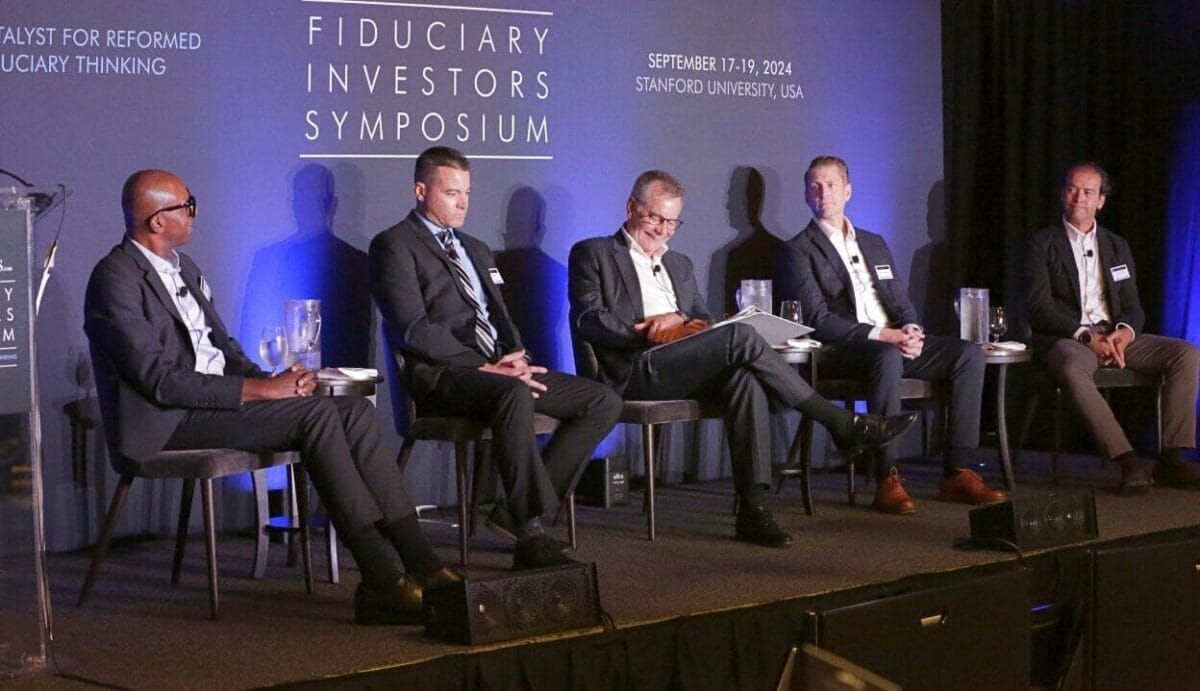
Asset owners that are long-term investors should be wary of the conventional model of assessing the stock-bond correlation that is based on several “implicit assumptions”, the Fiduciary Investors Symposium has heard. Instead, the question investors should be asking is: are bonds a hedge or a risk?

Stapling puts super ‘ahead of the curve’: Shlomo Benartzi

World-renowned behavioural economist and UCLA professor Shlomo Benartzi has praised stapling as a piece of legislation that puts Australia in a leading position when it comes to instilling the idea of superannuation as a lifetime account. However, he urged funds not to let the member behaviours that the super system fosters, mostly the set-and-forget mentality, turn into disadvantages during the retirement phase.

Unified view boosting appeal of total portfolio approach

The changing nature of volatility in financial markets and a more client-centric approach that allows allocations to be tailored is helping more institutions adopt a total portfolio approach to investment management, the Fiduciary Investors Symposium at Stanford University has heard.

Cost of living pressures put focus on quality advice offerings

A spike in the cost of living is having an effect on pre-retiree and retiree member behaviour, and super funds with a solid and accessible advice offer are well placed to help these members negotiate some tricky and complex issues.

Grocery retail therapy leaving many unhappy

Our leading grocery retailers claim that the dividends they pay contribute directly to the retirement incomes of millions of Australians. But that doesn’t mean they have free reign to dupe consumers through illusory discounts, which is what they’re accused of doing by the ACCC, and it seems engagement by asset owners with Woolworths and Coles may not be adequately addressing the elephant in the aisle.