

Some funds are “throwing money out of the window” on alternative assets, by not working out clear objectives for their allocations, according to a senior strategist at QIC.
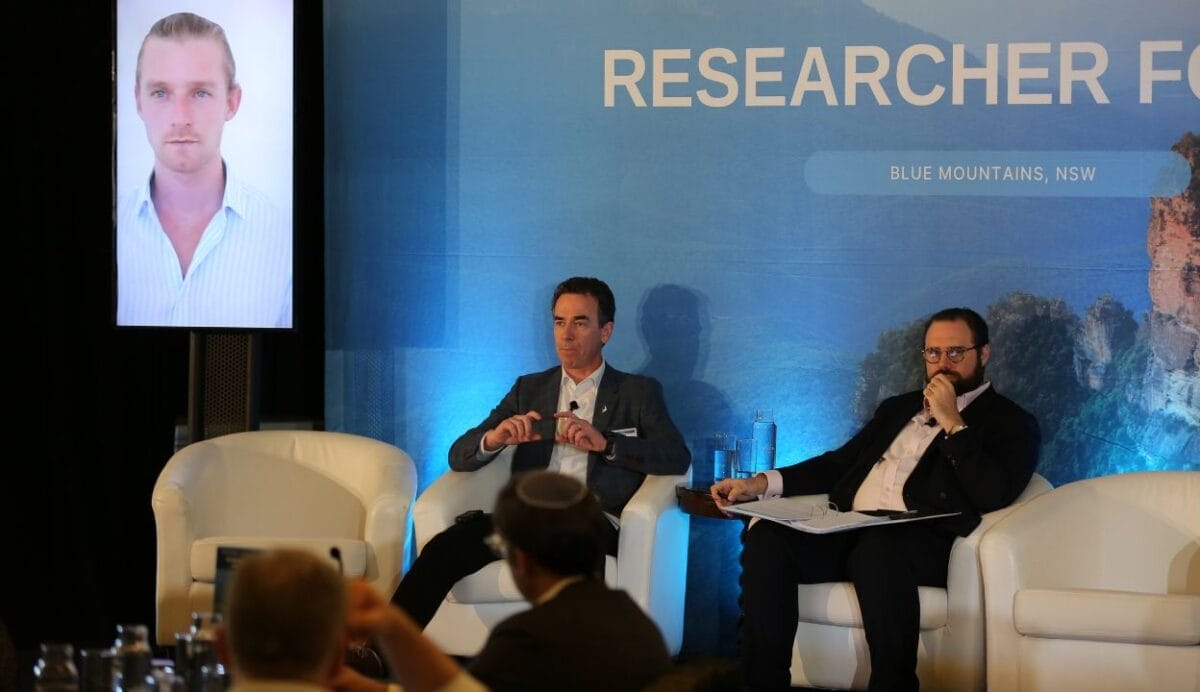
Speaking at the Conexus Fiduciary Investors’ Symposium on the Mornington Peninsula, Tony McKenzie, chief strategist for global multi-asset, told of a widening gulf between funds with highly defensive or opportunistic objectives for their alternative allocations and those who did not.
“I see the next generation of people getting more sophisticated in how they allocate alternatives. We are moving forward in our abilities to invest.” Funds he said, should be dynamic and prepared to allocate capital where they think it belongs.
One example of this best practice is funds growing internal resources to gain first mover advantage on new alternative assets.
He contrasted the practice of allocating to buckets for real estate, hedge funds, infrastructure and private equity with the more granular approach of identifying characteristics such as inflation protection, low volatility and tail risk protection.
This granular approach is enabling smarter moves elsewhere in the portfolio.
Mackenzie cited one example as using tail risk defensive hedge fund strategies to enable a higher allocation to equities. The same principle could work for bond allocations.
And he questioned the role of alternatives at funds that had not set out clear objectives for each of them. He said those that had not done this were “throwing money out of the window” and might be better off using their risk budgets for just infrastructure and property instead.



















Leave a Comment
You must be logged in to post a comment.