

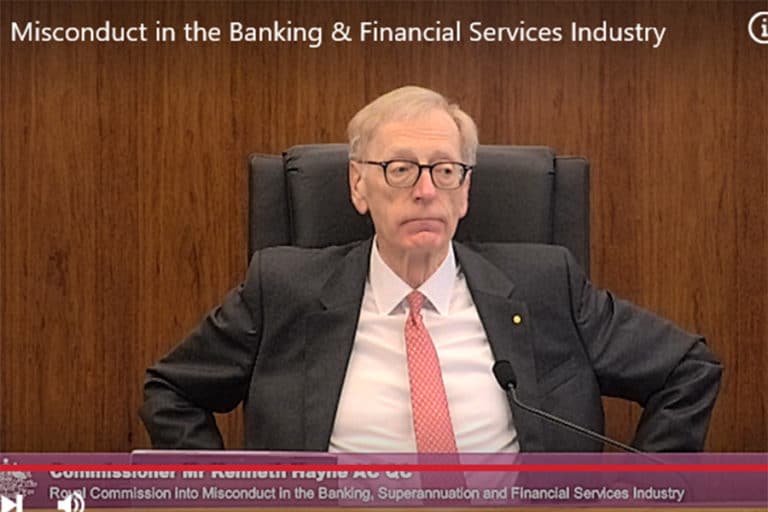
[vc_empty_space]Distrust of business in Australia and the specific issues relating to banks and superannuation as a result of the testimony given to the Hayne royal commission has led to loss of social license and is leading to a new examination of financial decisions making by individuals and institutions.
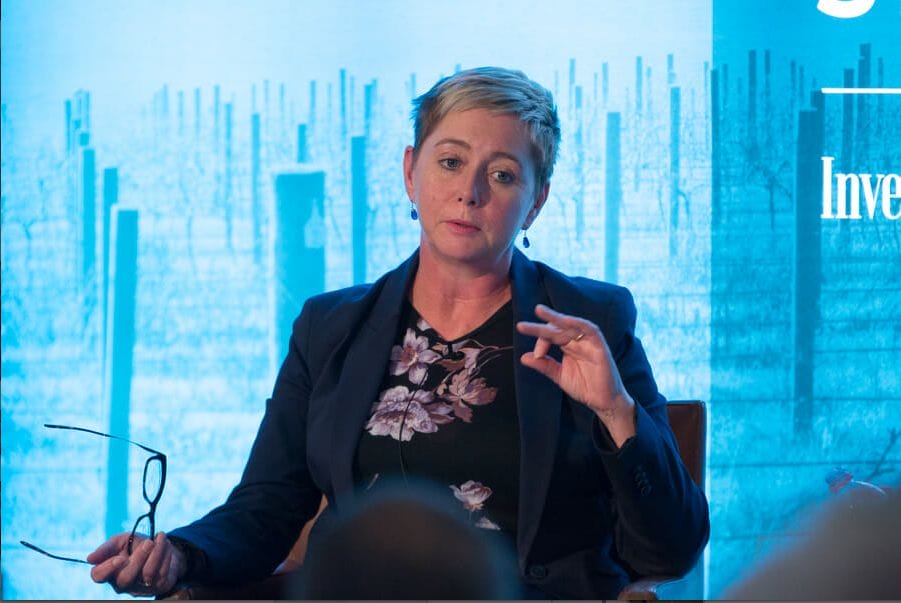
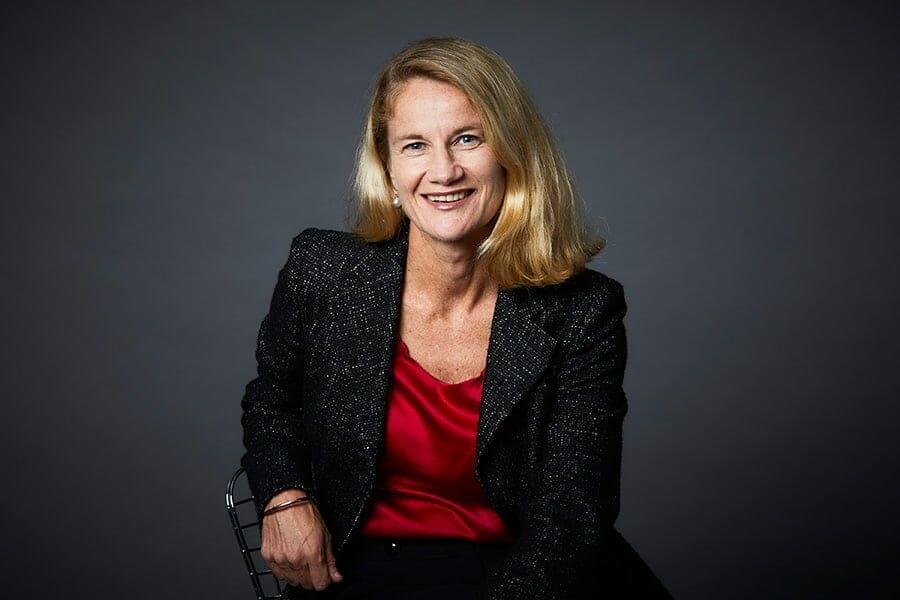
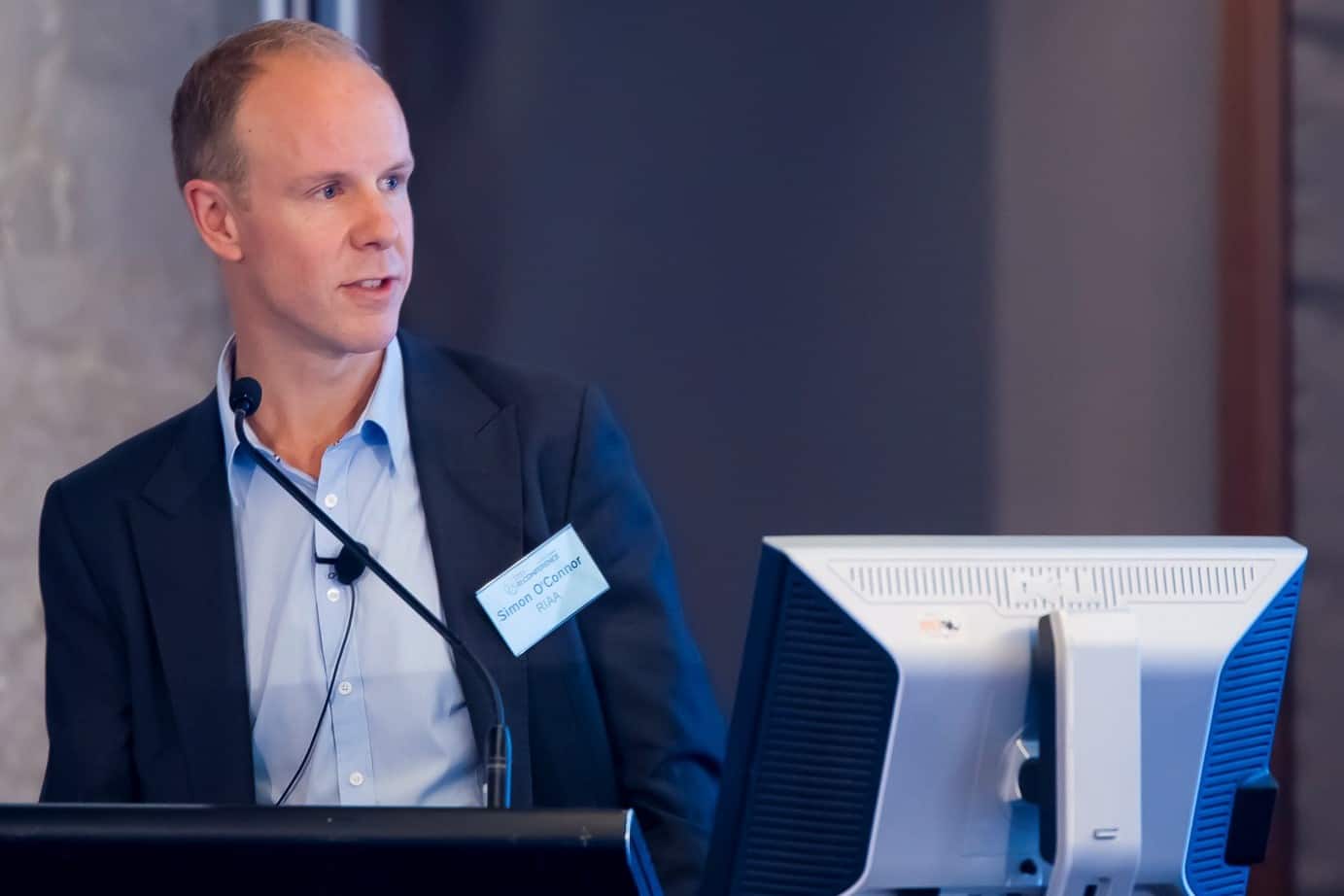
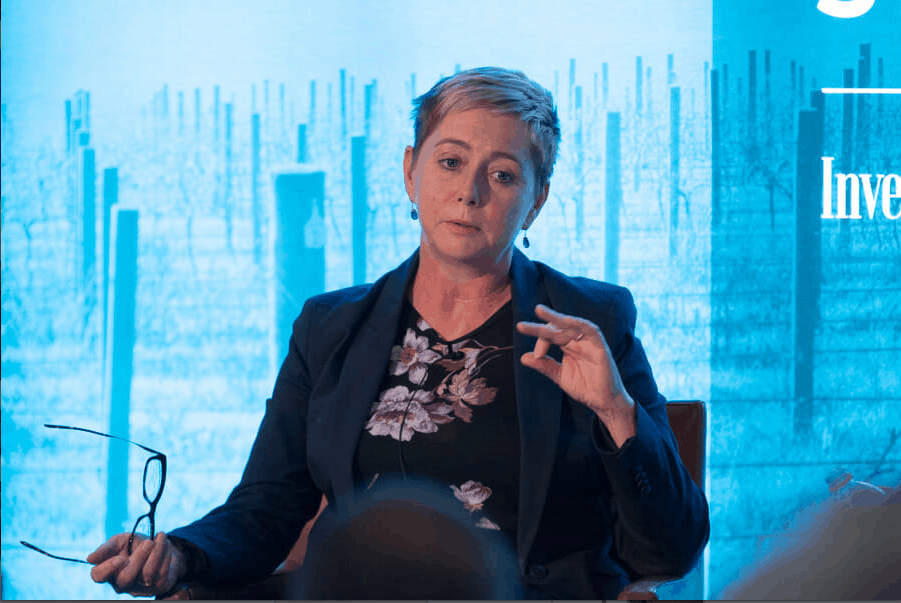
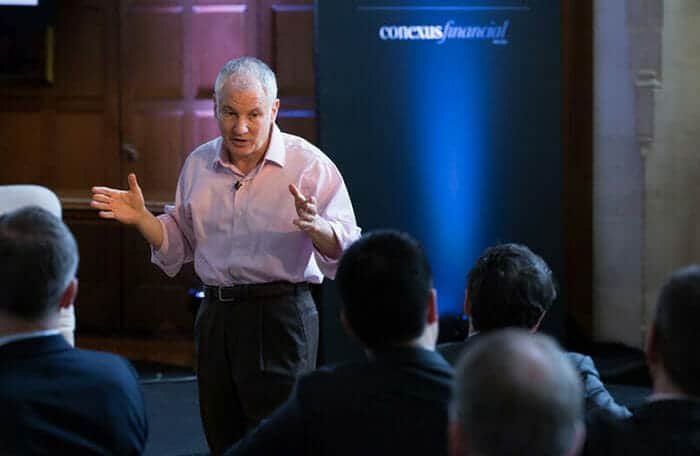
Louise Davidson, chief executive of the Australian Council of Superannuation Investors (ACSI) and Simon Russell, director, Behavioural Finance Australia, analysed these impacts for audience members at the recent Fiduciary Investors Symposium.
Davidson said that in listening to testimony at the Hayne commission, she was surprised at the cultural revelations.
“We are operating in a really low-trust environment for business at the moment,” she said. “My daily experience interacting with boards and senior business leaders suggests that they don’t actually realise the extent to which they have been put on notice by the community and indeed by investors.
Davidson noted that there were record votes against management during the most recent AGM season – she cited a 62 per cent vote against Telstra’s remuneration vote, a 40 per cent vote against the re-election of a director at Tabcorp, and a 40 per cent vote in favour of a shareholder resolution on climate risk disclosure at Whitehaven Coal.
“In the past, shareholders gave the benefit of the doubt to boards, and that benefit of the doubt has now been withdrawn. I think that’s an interesting dynamic to ponder as we move forward out of the royal commission,” she said.
Russell noted that he analysed the current and future impacts of the Royal Commission into Misconduct in the Banking, Superannuation and Financial Services Industry through the lens of the psychology of financial decision making, both by individuals and by institutions.
“When you start looking at call scripts, for example, and letters and things that have gone out, how does this translate into a decision made by a member and, therefore, an outcome? That’s one aspect to look at,” Russell said.
He noted that social psychology suggest that decisions are driven by context “more than we think,” which is why corporate culture matters.
“The social psychologists will talk about social norms and that sort of thing,” he said. “When I’m reflecting on the royal commission, what are those subconscious, often unintentional, things where we think we’re doing the right thing on behalf of members, with obvious cases where we haven’t.”










Leave a Comment
You must be logged in to post a comment.