


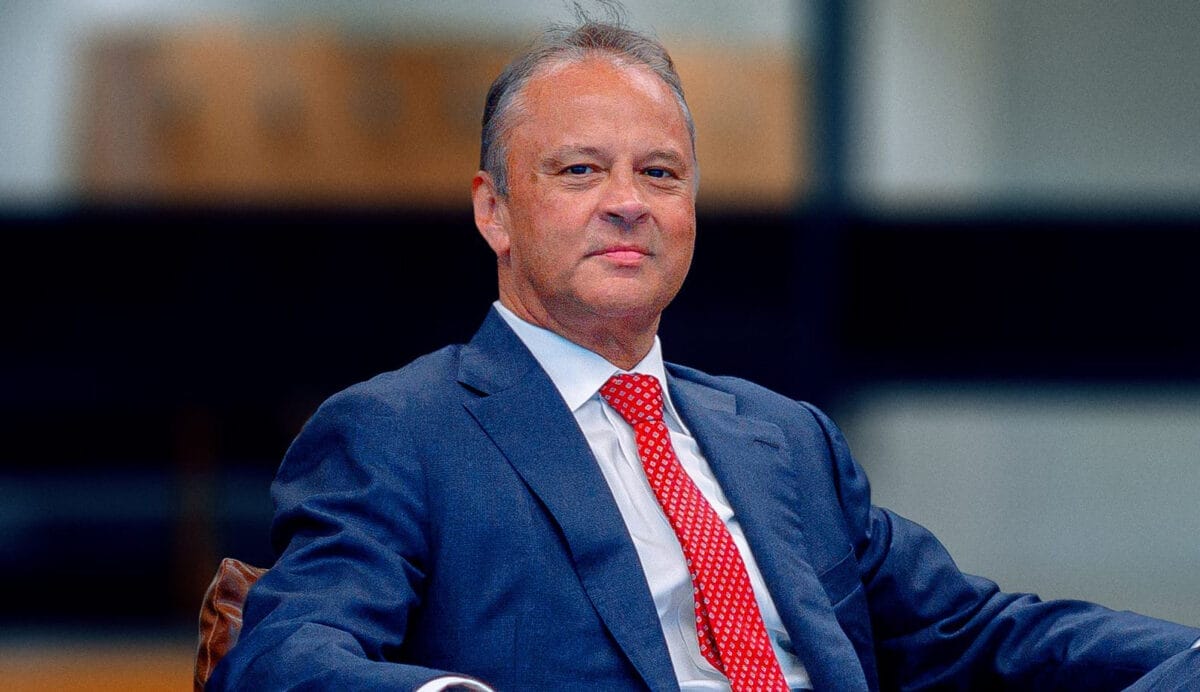
Ian Patrick, chief investment officer of the $370 billion Australian Retirement Trust, says that integrated balance sheet management will “beyond a shadow of a doubt” become a more prominent feature in the superannuation industry as funds grapple with the compounding effects of their growing size, systemic importance and the liquidity needs of servicing a larger cohort of retirees.
The nation’s second-largest super fund has been homing in on efficient usage of derivatives for exposure management and alpha generation – a process that has accelerated with its adoption of the total portfolio approach.
ART’s journey to building balance sheet management as an integrated function began in 2019 when its rebalancing activities were becoming more complex. Derivatives are used for exposure management when members switch between investment options – for example, when a shift from balanced to high growth briefly leaves the fund short equities, derivatives close that gap without having to trade the underlying portfolio.
“As that rebalancing process in the fund became more, let’s call it dynamic, we had to ensure that we had all the liquidity processes to accommodate that, because you have to post margin against those derivatives on a daily basis with your clearing broker. So that was the origins of it,” Patrick told Investment Magazine on the sideline of an AmCham event on Thursday.
“Then [we had] a realisation that that could be deployed in a broader context, including perhaps where derivatives offered you a bit of alpha.”
One example of such alpha-producing activity is getting exposure to onshore Chinese equities using total return swaps referencing the local index. The A-share market is restricted, and foreign investors need to obtain a QFII licence for direct share purchases, but by partnering with, for example, an investment bank which has that status, a fund can gain access to opportunities it might otherwise have to forgo.
ART has also been utilising cross currency basis swaps, “whereby there’s mispricing between those who desire to hedge a currency and the bank providing the currency hedge, and you can pick up a margin with no directional risk on the currency”, Patrick said.
“[Derivatives] as an alpha source is less critical of an objective, and it is more one where you have different costs of capital between different types of balance sheets – bank balance sheets versus super balance sheets,” he said.
“Banks, particularly investment banks, they’ve taken on risk in the form of total return swaps and the like and they want to offload that risk. They may pay you for you to hold, let’s say, the reference index plus a margin, they may pay you to hold the other side of the trade, and that’s generating alpha.”
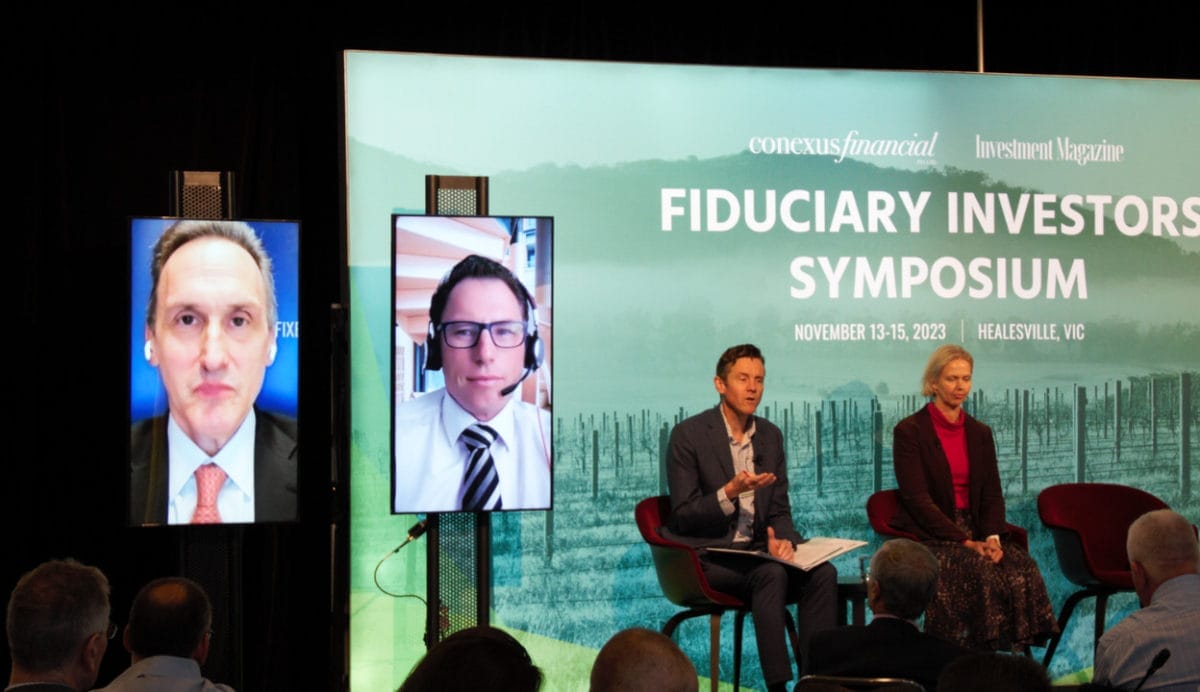
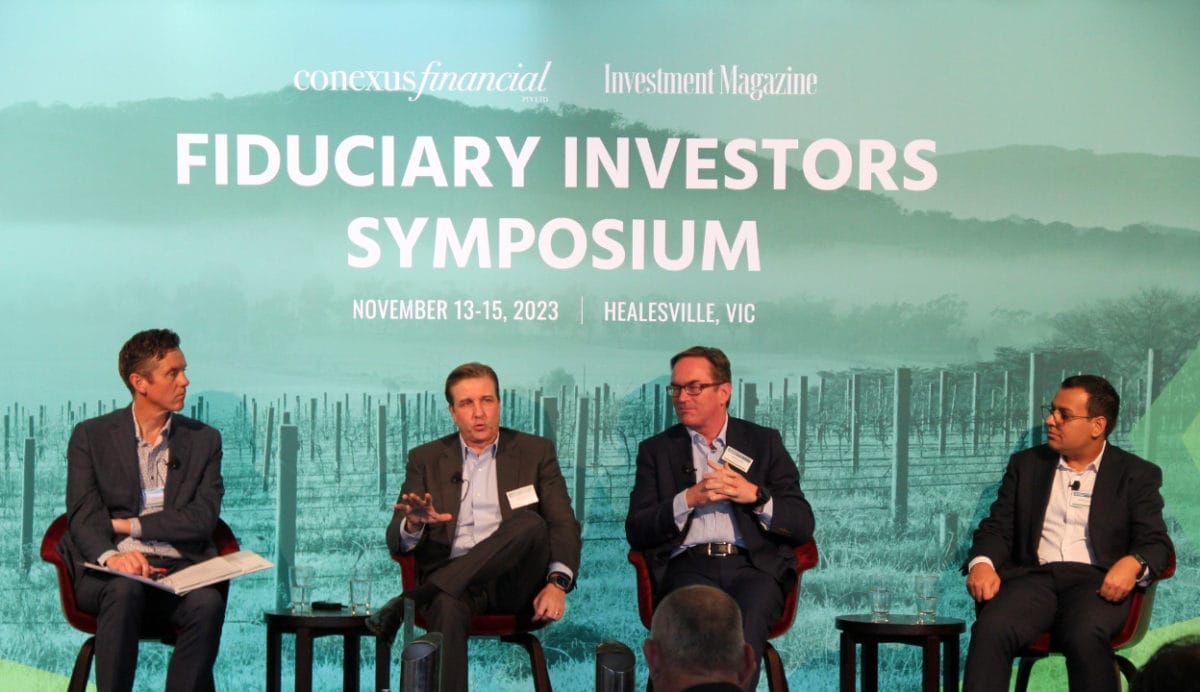
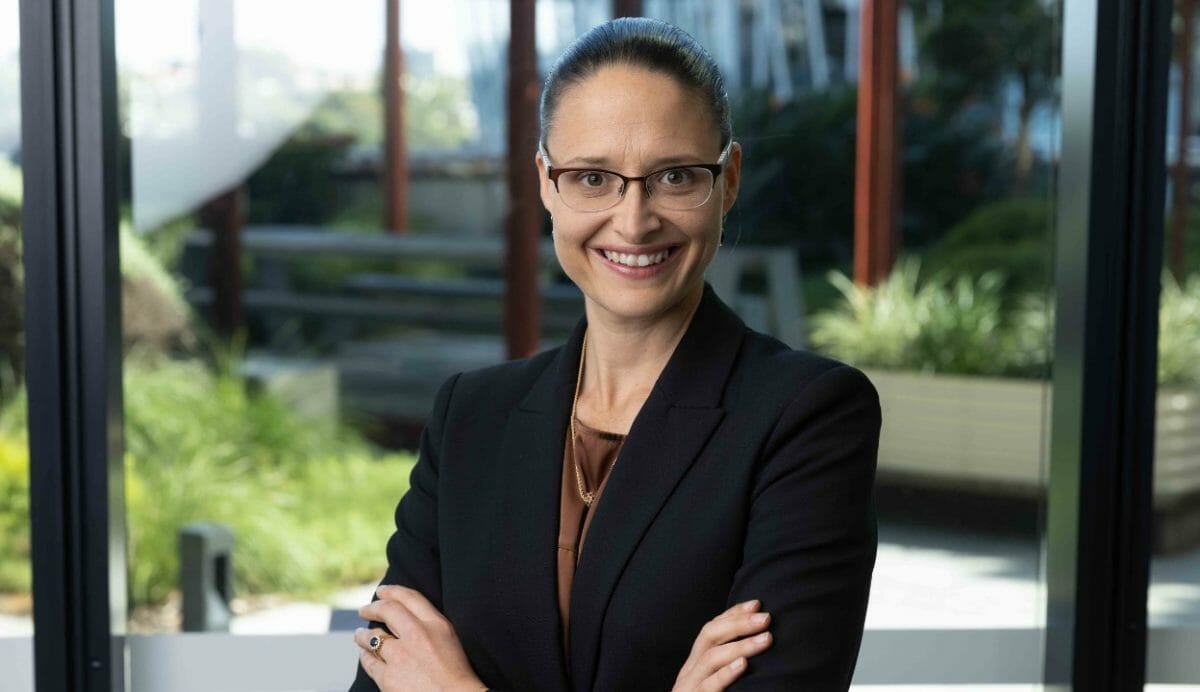
After an investment team reshuffle last April, balance sheet management became one of the three strategic pillars overseen by general manager for defensive liquid assets and portfolio intelligence Jody Fitzgerald, who is set to speak at the upcoming Investment Magazine Fiduciary Investors Symposium in Healesville, Victoria.
Artificial intelligence is another issue top of mind for Patrick. Despite the sector propelling equities markets to historical height, in Patrick’s mind AI will have “net risk” for the portfolio.
“I’m positioning my answer in the context of what I see is probably extended optimism [around AI], which is very early in a long story,” he said.
“Is AI transformative? There’s no doubt. But from an investment point of view, where value will be created, how to price the prospect of that value, when it will emerge, what the sovereign challenge between particularly US dominance versus China dominance in AI really may mean down the track, I think it’s net risky to a portfolio from a current position of quite strong optimism.”
Data centres and chipmakers are currently generating stratospheric returns for investors, while software companies are most prone to disruption, but that dynamic could change fast, Patrick said.
“You could see economic value change hands quite quickly there, and that all happened several times because we’ve seen the iteration of these models at quite significant pace. How long [before that happens]? Three to five years, probably.”

















Leave a Comment
You must be logged in to post a comment.