Traditional uses of fixed income tested

The landscape for fixed income investors has changed dramatically with the spread of ultra-low and negative bond yields and the traditional uses of fixed income are challenged.
The landscape for fixed income investors has changed dramatically with the spread of ultra-low and negative bond yields and the traditional uses of fixed income are challenged.
Despite the huge inflows into emerging market debt, it is still an underinvested asset class which has achieved solid returns –up to 6 per cent in some countries.
Investors are expecting too much from unconstrained fixed income managers and trade-offs need to be made.
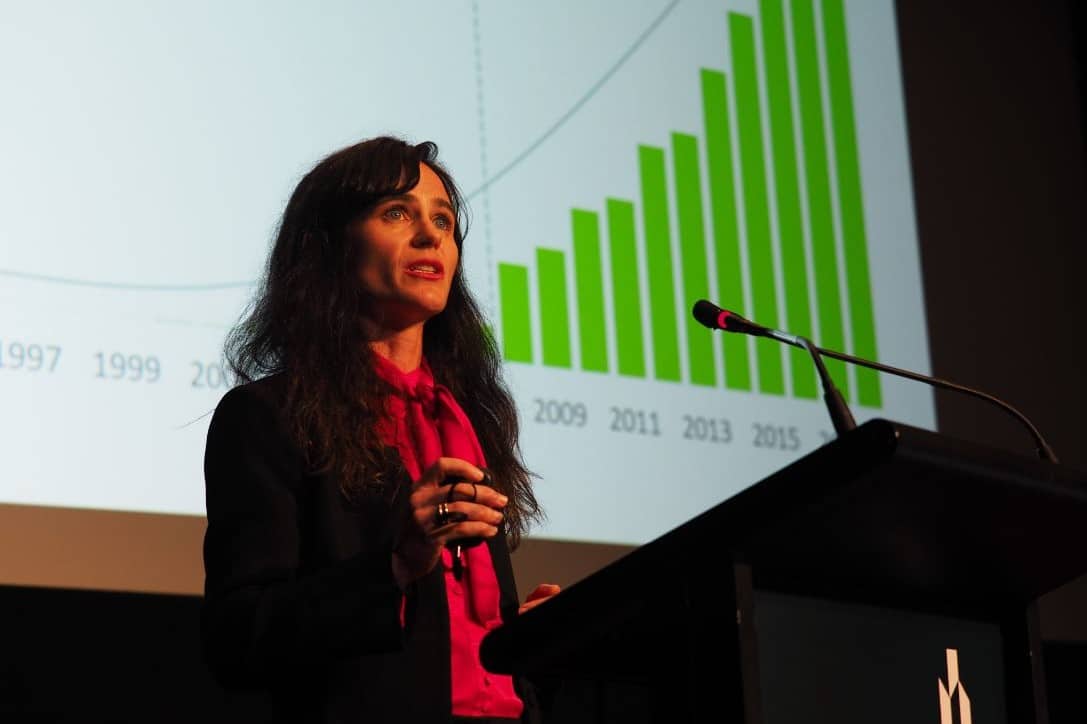
The construction super fund is looking to boost its investment in the real assets as record low interest rates hurt member returns.

The academic evidence is not sufficient to write-off an active approach, says ANU’s Geoff Warren, it just depends on the circumstances.

The argument that bigger fund leads to better returns is largely dependent on liquidity and opportunity size. Further, the evidence on the benefits of scale is not encouraging so far, says Michael Kollo.
Central banks are looking for more tools to manage monetary policy in order to achieve what is being asked of them.

European private debt offers diversification play in the mid-risk bucket despite the low yield environment.

Cbus Super investment head Kristian Fok, says the complexity of implementing sustainable development goals creates a much deeper thinking about how to value assets .
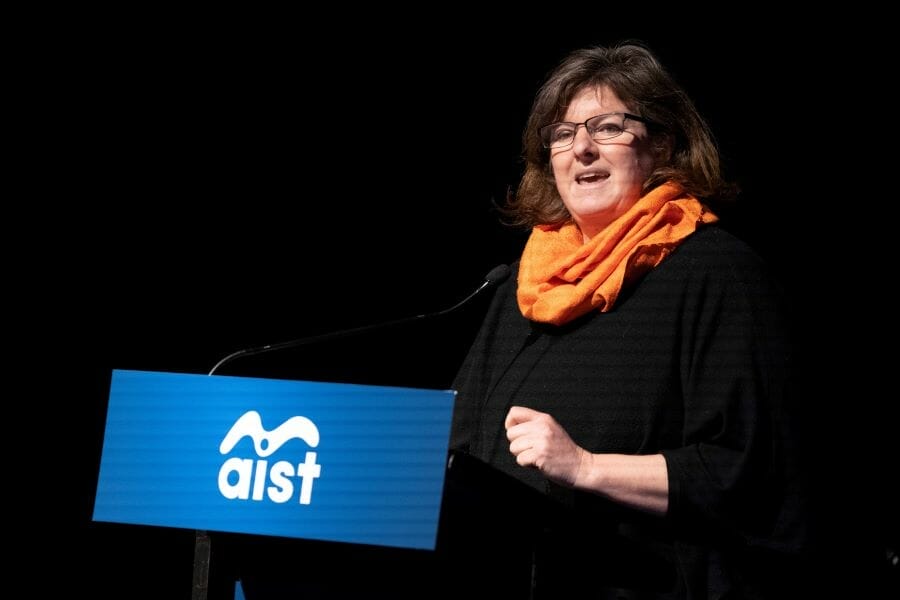
The corporate watchdog is keeping a close eye on two major trends playing out in the $2.9 trillion super sector – the creation of in-house investment teams and the uptick in merger activity

Chief risk officer at the World Bank Group, Lakshmi Shyam-Sunder, says the extreme uncertainty of the global economy requires a new risk management framework and investors should not take anything for granted in scenario planning.

Australia’s sovereign wealth fund is seeking to raise the value of its credit portfolio by increasing exposure to direct lending and emerging market debt and shifting away from traditional fixed income assets.

The investment intelligence behind Australia’s largest asset owners and their teams
In-depth interviews with leaders, experts and visionaries in the institutional investment community
Updates on the latest industry policy developments and regulation
The challenges and innovations of custody, technology and operational due diligence




Investment Magazine provides in-depth, monthly analysis of trends and developments for all the businesses in which superannuation funds engage‚ including asset allocation, investment manager selection, custody and fund accounting, member administration, group insurance and compliance.
We acknowledge the Traditional Custodians of this land upon which Conexus Financial sits, the Cadigal of the Eora Nation. We recognise their continuing connection and unique cultural and spiritual relationships to the land, waters and community. We pay our deepest respects to them and their culture, and to Elders both past and present.
