CEO pay rose as super woes bubbled away

As insurance and member service woes percolated in the background, the CEOs of Australia’s biggest super funds took home millions in base pay and bonuses.
As insurance and member service woes percolated in the background, the CEOs of Australia’s biggest super funds took home millions in base pay and bonuses.

Ten chief investment offers pulled in total remuneration of $1 million or more in 2023-24, with UniSuper’s John Pearce topping the charts. The pay packets of CIOs reflect not only how the performance of the teams they lead translates into investment returns for members, but also the increasing complexity of leading those teams and managing the demands placed upon them.

A good superannuation fund chair knows when to step up and be the public face of the fund, and when to leave the front-running to other executives and management. But as scrutiny on the sector becomes more intense and as funds face continuing growing pains, it’s likely that chairs will find themselves in the spotlight more frequently, meaning that more than ever before they’ll really earn their money.
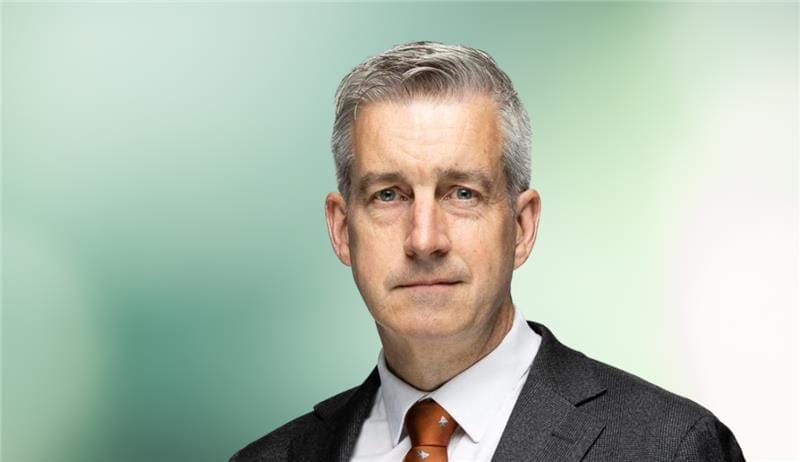
The country’s largest super fund says that private markets aren’t “inherently riskier” and that the current approach to regulation and data collection for super funds should be maintained even as ASIC and APRA focus more closely on how they invest in opaque and illiquid assets.

Norges Bank Investment Management is using an internally developed engine powered by AI to monitor and measure its portfolio managers’ skills, aiming to improve efficiency of trades and decision making, and save costs. Head of Singapore and co-head of equity trading Sumer Dewan gives a run-down of the program.
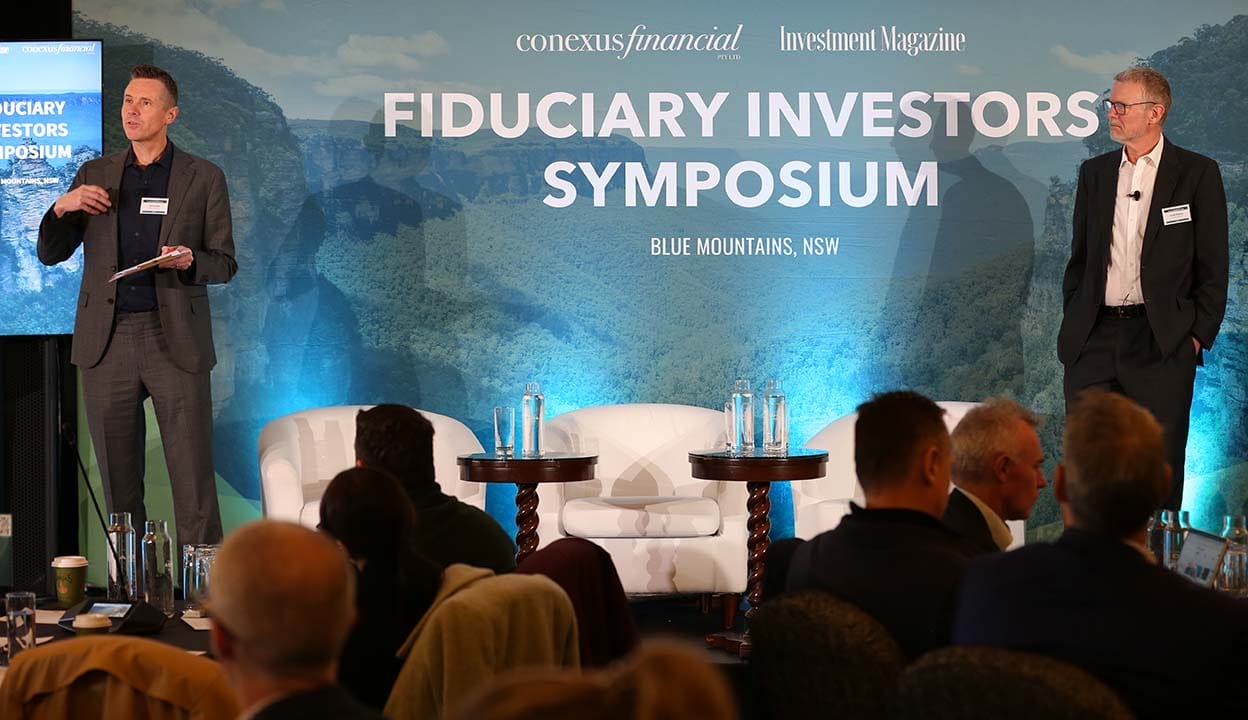
While it’s highly unlikely that the super industry as a whole could suffer a liquidity crisis under current industry settings, individual super funds could still suffer liquidity stress episodes that would make them forced sellers and disadvantage members.

First Nations people continue to be excluded from participating fully and effectively in superannuation by both legal and organisational barriers. First Nations Foundation managing director Leah Bennett says funds themselves can do much more to help, but change must start at the top.
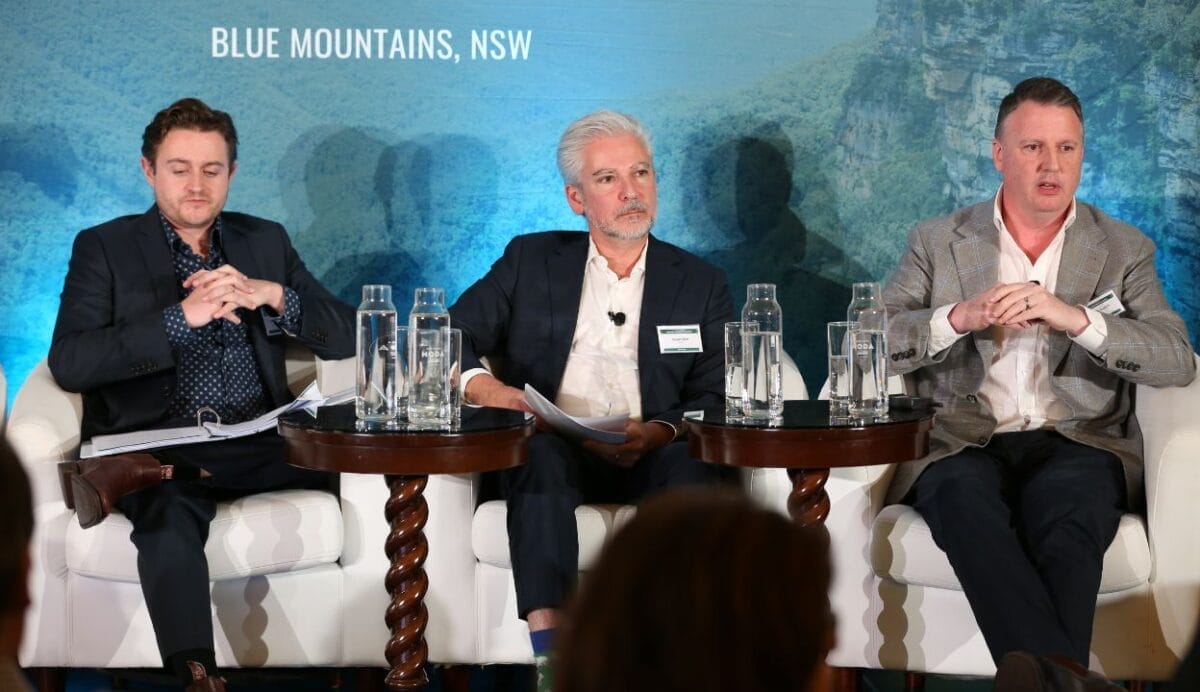
In 2024 AMP became the first Australian super fund to commit to cryptocurrency after the asset class won “institutional legitimacy” from the US Securities and Exchange Commission. AMP head of portfolio management Stuart Eliot explained to the Fiduciary Investors Symposium how AMP broke new ground, and the process behind its inclusion.
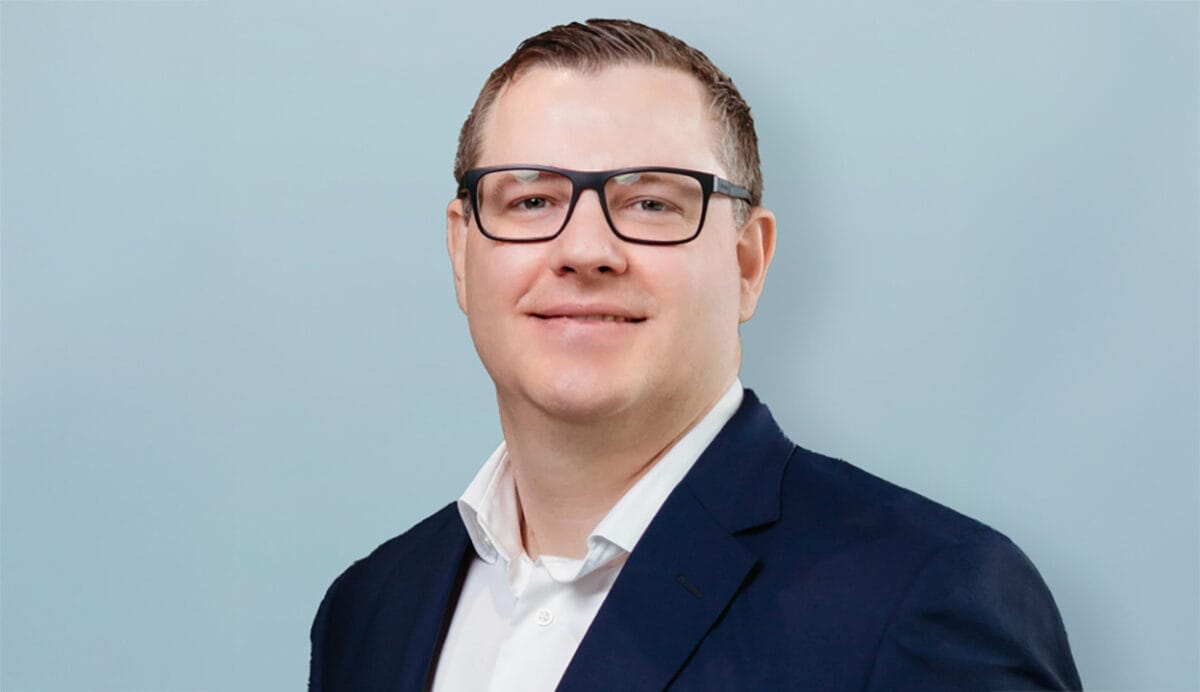
Aware Super has moved to fill a gap in its retirement solutions expertise after its former head of retirement was hired away by AustralianSuper. The $190 billion fund has recruited a key former member of Australian Retirement Trust’s team to focus on developing strategy across retirement products and services.
The Age Pension remains a significant source of income for the majority of retired Australians, yet it remains one of the most misunderstood aspects of our retirement system. Improving understanding can’t be achieved through product innovation alone. We need a national push to improve retirement literacy, led by an industry committed to simplifying complexity and delivering solutions that work in the real world.
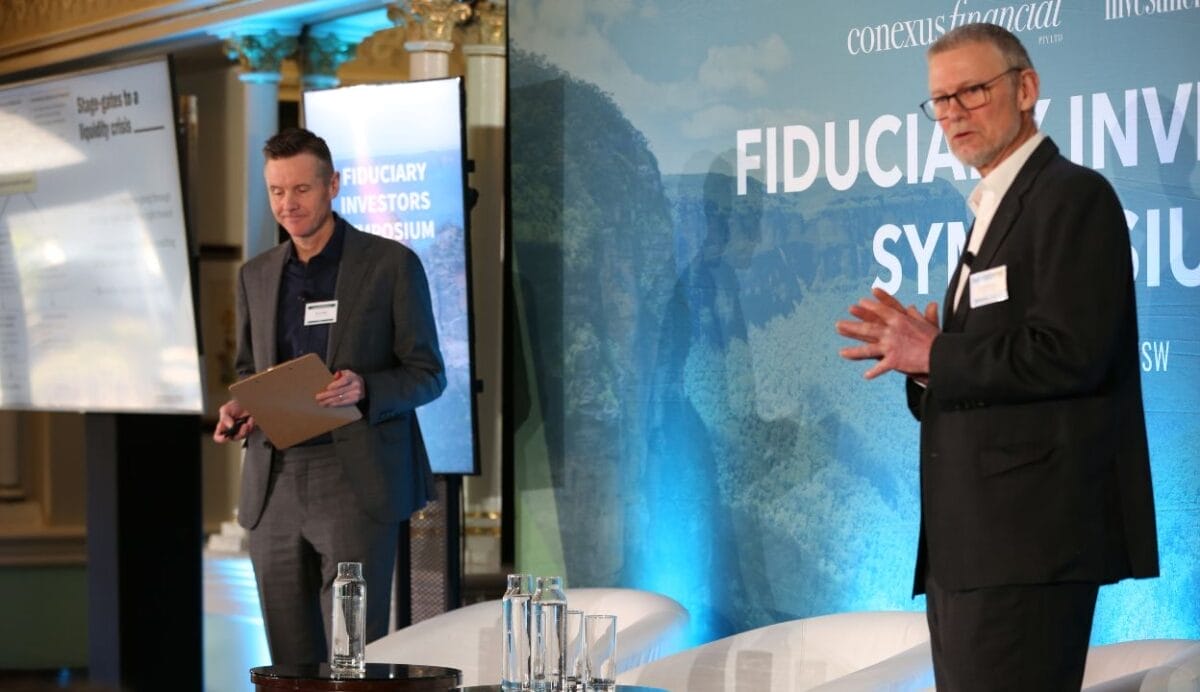
The hurdles in private markets are likely to be less impactful on super funds than on the members they represent, and indeed individual investors in general. But success is not guaranteed.
The US$350 billion CalSTRS is still in the process of moving to the total portfolio approach but has already found that it can move faster on investment opportunities that don’t fit easily into a traditional asset class framework.

The investment intelligence behind Australia’s largest asset owners and their teams
In-depth interviews with leaders, experts and visionaries in the institutional investment community
Updates on the latest industry policy developments and regulation
The challenges and innovations of custody, technology and operational due diligence




Investment Magazine provides in-depth, monthly analysis of trends and developments for all the businesses in which superannuation funds engage‚ including asset allocation, investment manager selection, custody and fund accounting, member administration, group insurance and compliance.
We acknowledge the Traditional Custodians of this land upon which Conexus Financial sits, the Cadigal of the Eora Nation. We recognise their continuing connection and unique cultural and spiritual relationships to the land, waters and community. We pay our deepest respects to them and their culture, and to Elders both past and present.
