REST chief member officer resigns
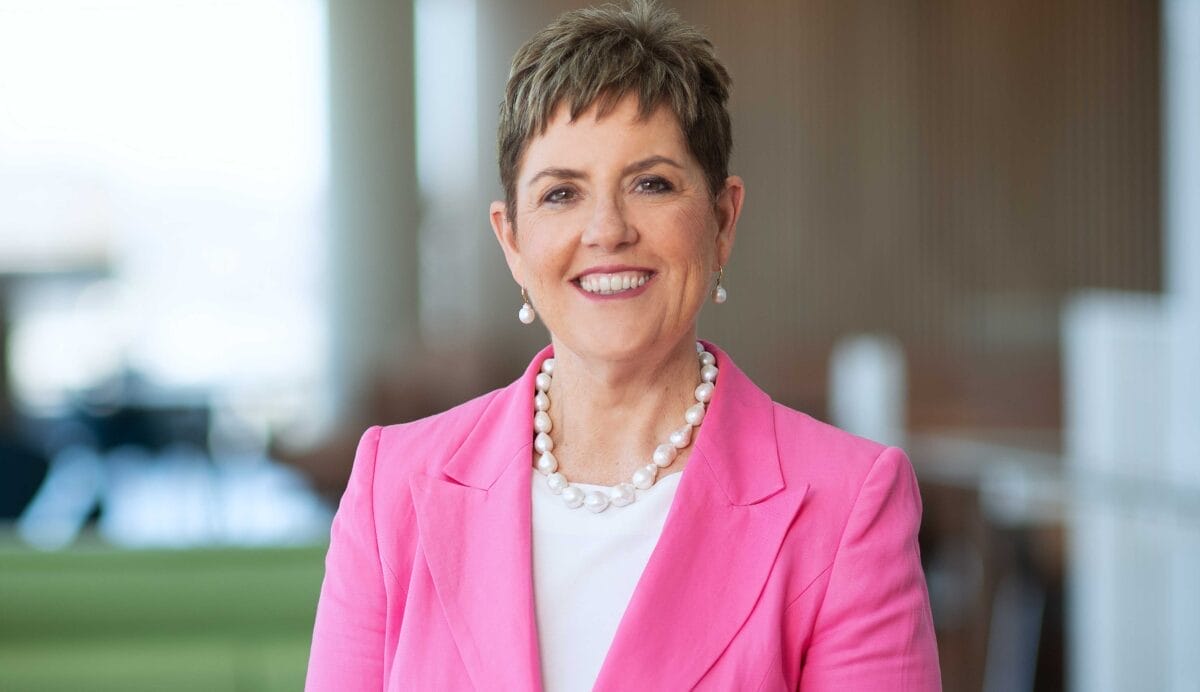
REST chief member officer Deborah Potts has resigned from the super fund after a 9-year career with the fund.
In his first major public appearance since the start of the media and regulatory storm engulfing Cbus, chief executive Kristian Fok has strategically defended the fund’s much-scrutinised relationship with the construction union CFMEU, arguing that there has been “incredible value” working with the union, but remained tight-lipped on the nature of any future engagement. He also apologised to members about insurance claims delays, but blamed external administrator MUFG Pension & Market Services for having the bulk of the problems.
At the peak of his popularity former WA premier Mark McGowan enjoyed approval ratings upwards of 90 per cent. When he quit politics last year it was a surprise to many, but it capped a 26-year political career and serves as an object lesson in how to quit at the top.
TCorp, the investment manager of NSW public sector, has acquired an interest in international maritime operator, Cyan Renewables.
Troubled industry fund Cbus is being sued by ASIC for repeated failure to handle death benefits and TPD insurance claims which has caused an estimated $20 million loss to claimants. It’s sparked calls from consumer groups and the opposition for the government to ramp up oversight of the sector.
Super funds have a relatively simple problem in accumulation. Everything about investing during this phase has a two-fold goal: generating the best possible returns, and amassing as much savings as possible for members. But fiduciary investors could be negotiating as many as five dimensions of members’ needs in decumulation, and it’s difficult to meet all of them.
Investors are heading back into real estate as adjustments in interest rates start to come through. More asset owners are on the lookout for opportunistic investments in commercial property, but fewer have conviction in residential buildings due to perceived government policy instability and lack of return record.
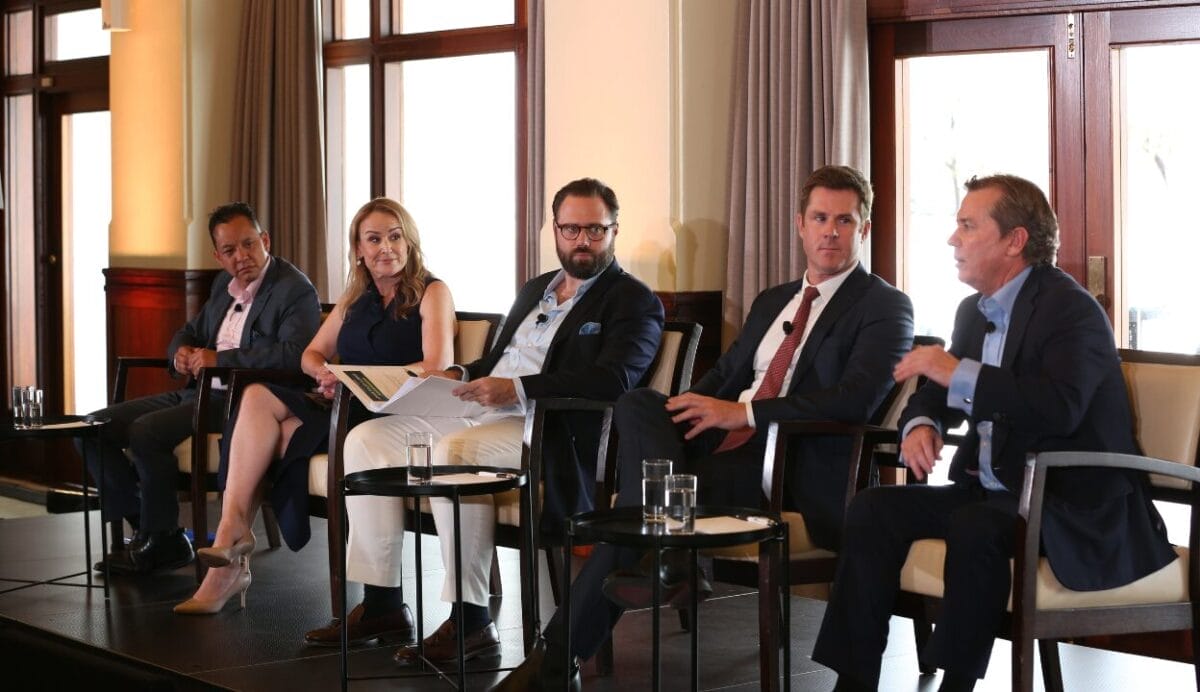
A range of investment operating models exist within the superannuation industry. The Fiduciary Investors Symposium heard that this may prove to be one of the industry’s great strengths, as long as the boards and management are sure that the model they operate under best suits their views of the world and how they want to serve members.
Macquarie’s willingness to use its own balance sheet to stand alongside UniSuper, as well as the manager’s boots on the ground, were two factors that helped it clinch the $140 billion super fund’s decision to commit US$400 million ($610 million) to a renewable energy fund, the Fiduciary Investors Symposium has heard.
Financial advisers have invested heavily in lifting professional standards and uplifting consumer confidence. But Colin Tate AM writes that in one fell swoop, the government could completely undermine a decade worth of blood, sweat and tears by bringing in a second tier of advice that advantages large institutions and encourages vertical integration.
Under-18 workers in Australia could have $10,000 more in savings at retirement if a rule that currently denies compulsory super contributions unless they work more than 30 hours a week is abolished.
Emergency Services Superannuation Board (ESSSuper) has commenced legal proceedings in the Federal Court against Iress and its wholly owned subsidiary Financial Synergy Holdings.