Why it’s difficult for members to have it all in decumulation
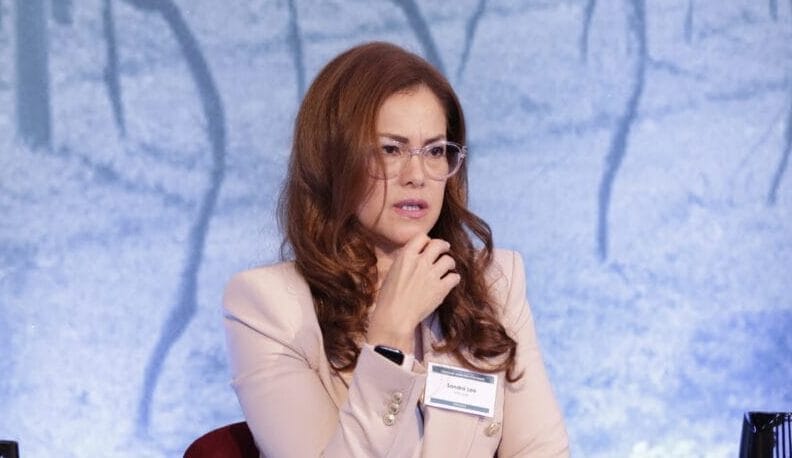
Super funds have a relatively simple problem in accumulation. Everything about investing during this phase has a two-fold goal: generating the best possible returns, and amassing as much savings as possible for members. But fiduciary investors could be negotiating as many as five dimensions of members’ needs in decumulation, and it’s difficult to meet all of them.
Rate adjustments rejuvenate investor interests in real estate

Investors are heading back into real estate as adjustments in interest rates start to come through. More asset owners are on the lookout for opportunistic investments in commercial property, but fewer have conviction in residential buildings due to perceived government policy instability and lack of return record.

Diversity of models the industry’s great strength

A range of investment operating models exist within the superannuation industry. The Fiduciary Investors Symposium heard that this may prove to be one of the industry’s great strengths, as long as the boards and management are sure that the model they operate under best suits their views of the world and how they want to serve members.

Skin in the game critical to UniSuper’s green energy partnership

Macquarie’s willingness to use its own balance sheet to stand alongside UniSuper, as well as the manager’s boots on the ground, were two factors that helped it clinch the $140 billion super fund’s decision to commit US$400 million ($610 million) to a renewable energy fund, the Fiduciary Investors Symposium has heard.

New class of adviser risks new era of vertical integration

Financial advisers have invested heavily in lifting professional standards and uplifting consumer confidence. But Colin Tate AM writes that in one fell swoop, the government could completely undermine a decade worth of blood, sweat and tears by bringing in a second tier of advice that advantages large institutions and encourages vertical integration.

Pluralsight loss ‘humbling’, says AustralianSuper

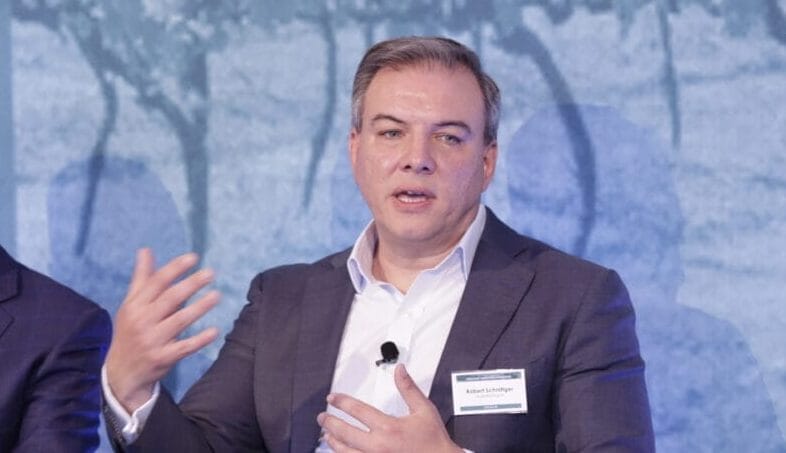
Mega fund AustralianSuper said it is still feeling the pain from its very public loss in US software company Pluralsight, and even with $341 billion of assets under management, a $1.1 billion write-down is still too big a chunk of money to let go easily. But at the Fiduciary Investors Symposium, the fund’s senior private equity portfolio manager Robert Schnittger, said the most important thing now is to learn the lesson and “not lose money the same way twice”.

No end in sight to a ‘golden age’ of private credit

As private credit markets continue to get broader and deeper, asset owners have become increasingly sophisticated about how they think about and how they access the asset class, the Fiduciary Investors Symposium has heard. Private credit remains attractive even as wariness about the weight of capital-chasing opportunities in some sectors.

Australian funds improve transparency, move up global rankings

The 2024 Global Pension Transparency Benchmark, produced by Investment Magazine sister publication Top1000funds.com in association with CEM Benchmarking, has found the Australian funds in the benchmark have lifted their game significantly. Only Canada is still doing better.

Cbus turns to super warrior in media storm

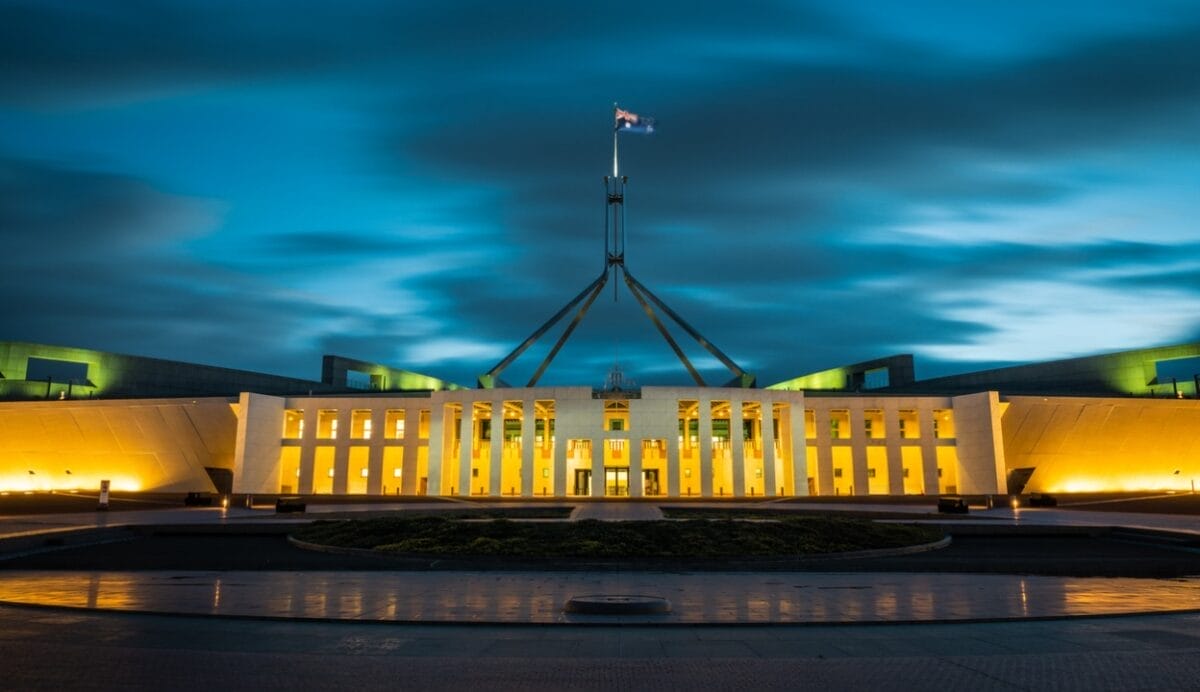
The appointment of former Industry Super Australia boss Bernie Dean to the C-suite at Cbus may well provide CEO Kristian Fok with valuable advice on how to handle the political and media maelstrom surrounding the construction industry super fund’s ties to now-defunct trade union the CFMEU. But it is also a tell-tale sign the super wars are in full swing ahead of the federal election.

Lill’s parting words: AI the next biggest challenge for super fund CIOs

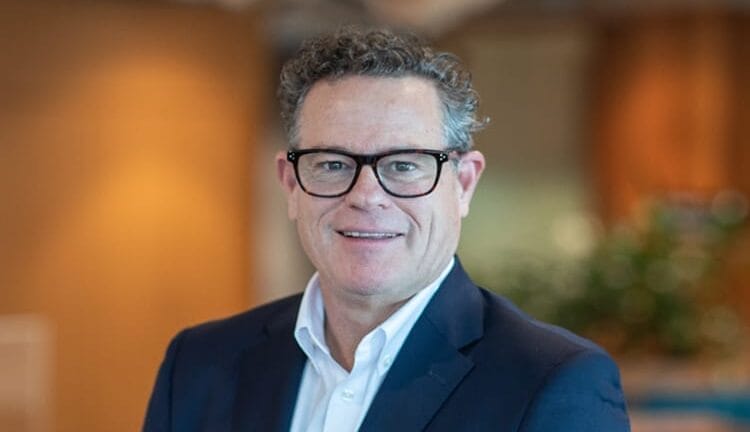
Andrew Lill departs REST on Friday, less than five years after taking the helm as the fund’s first chief investment officer. He reflects on the challenges facing his successors and for other super fund CIOs, naming technology and especially artificial intelligence, as having the greatest influence on the task of managing members’ money.