MLC Life to merge with Resolution Life under new brand
MLC Life and Resolution Life Australasia will come together under a new brand, Acenda, following the acquisition of the latter by Japanese insurer Nippon Life.
MLC Life and Resolution Life Australasia will come together under a new brand, Acenda, following the acquisition of the latter by Japanese insurer Nippon Life.
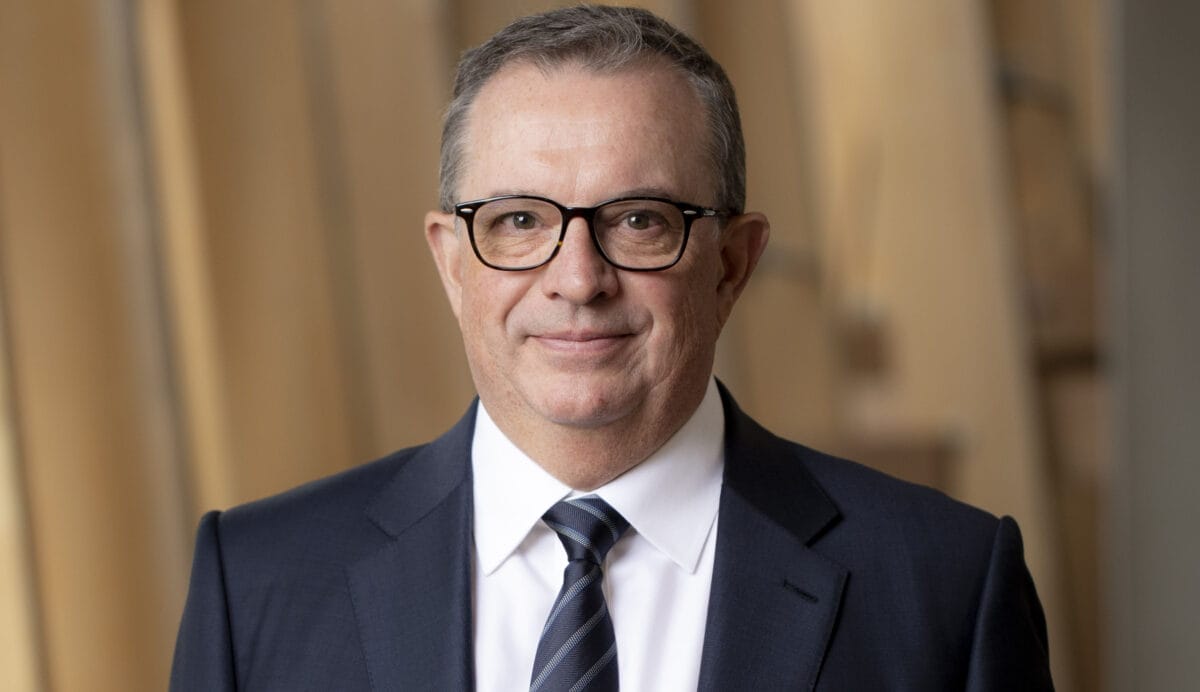
Insignia Financial has shifted to outsource administration of its $180 billion superannuation assets, inking a deal with SS&C and reassigning 1300 workers to the service provider during the process. The decision stands in stark contrast to peers such as Aware Super, which recently internalised member services, but CEO Scott Hartley said that option is a “costly exercise”.
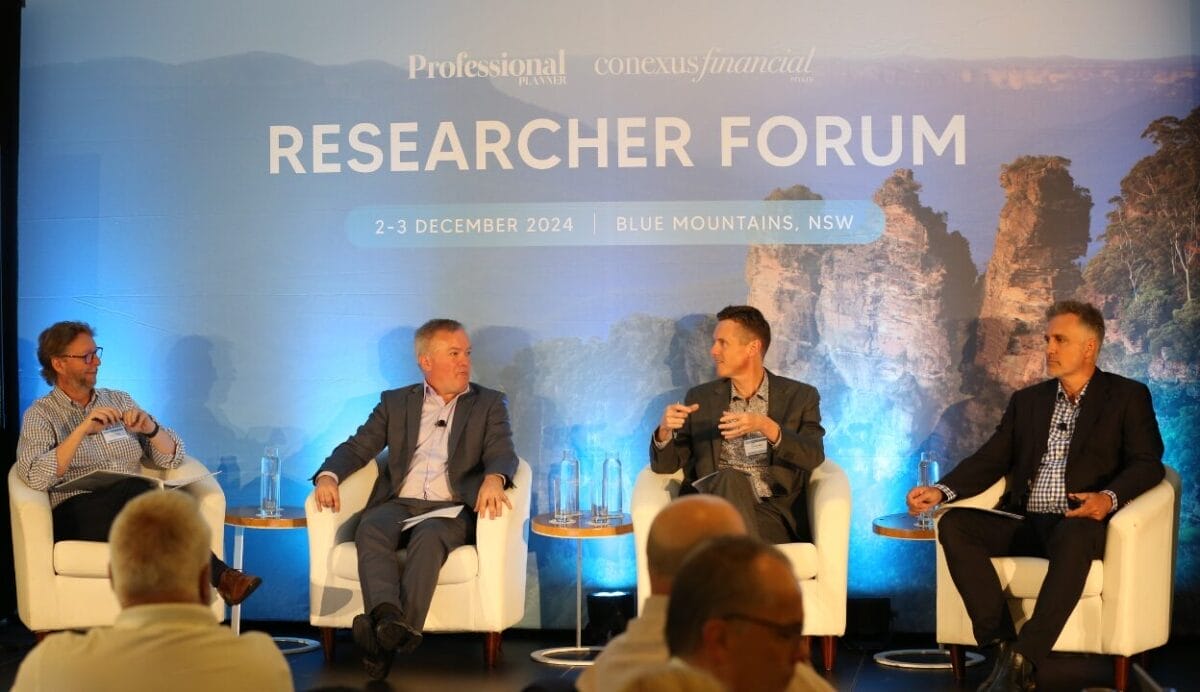
The needs of members in retirement are highly individualised, and retirement solutions are complex. Matching solutions to members’ needs is a specialised task that most funds are ill-equipped to perform. The Researcher Forum has heard the key to getting it right for members is collaboration between funds and financial advisers.
Australian Retirement Trust has appointed Darryl Burke as its chief risk officer, effective from 17 March 2025.

While the energy transition and critical minerals are receiving a lot of attention as important megatrends, an Investment Magazine roundtable, hosted in partnership with New Forests, has heard that natural capital is an equally crucial piece of the nature puzzle but is “underrepresented, underinvested and generally misunderstood”.
Former NAB trustees (NULIS Nominees and MLC Nominees) have reached an agreement with the plaintiffs of the MySuper class action commenced by Maurice Blackburn to settle for a total of $64.25 million.
Funds SA, the investment corporation owned by the Government of South Australia, has appointed current Hostplus executive Con Michalakis as its new chief investment officer.

In an under-reported finding from the explosive report into Cbus governance, the consulting firm Deloitte has laid bare the shortcomings of a process that allows directors to self-assess skill sets when appointed to the board and when their tenure is renewed. Legal experts said self-assessment itself is not a sin, but complacency at a board level could be.

Deloitte’s independent review into United Super as the trustee for Cbus has revealed a fund riddled with poor governance practices and questionable board appointment processes, but the real worry is that Cbus may not be an isolated example.
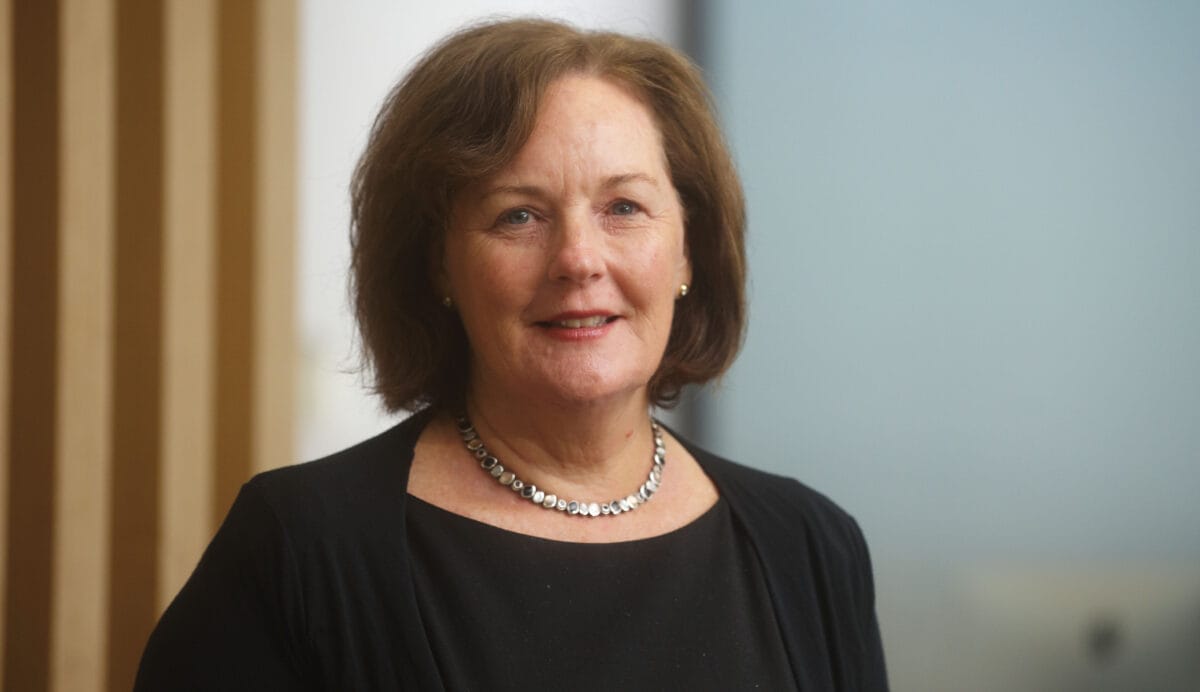
Rising superannuation balances and property values have helped Australia become one of the wealthiest nations on the planet. But the reality for certain groups within the economy, especially those who rent in the private residential real estate market, is very different. Superannuation funds can play an important role in understanding and supporting members in these more vulnerable cohorts.
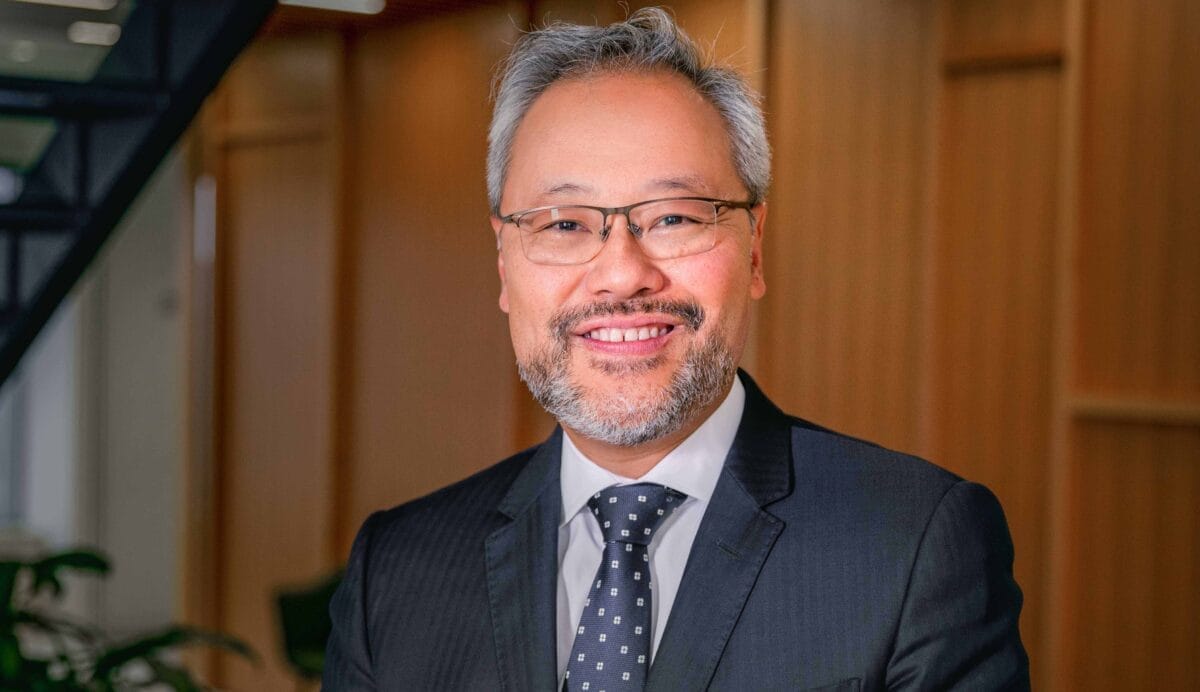
Deep member insights and data, a mature suite of products, digital-first engagement, AI integration and a robust advice offering are the features that will define superannuation for the next 30 years and make a real difference to members.

While the purpose of superannuation has always been to provide an income in retirement, up until recently, super fund propositions have concentrated on the accumulation phase. Focusing on member experience, including with a digital lens, can help ensure retirement propositions resonate with this growing audience.

The investment intelligence behind Australia’s largest asset owners and their teams
In-depth interviews with leaders, experts and visionaries in the institutional investment community
Updates on the latest industry policy developments and regulation
The challenges and innovations of custody, technology and operational due diligence




Investment Magazine provides in-depth, monthly analysis of trends and developments for all the businesses in which superannuation funds engage‚ including asset allocation, investment manager selection, custody and fund accounting, member administration, group insurance and compliance.
We acknowledge the Traditional Custodians of this land upon which Conexus Financial sits, the Cadigal of the Eora Nation. We recognise their continuing connection and unique cultural and spiritual relationships to the land, waters and community. We pay our deepest respects to them and their culture, and to Elders both past and present.
