

Australian institutional investors are warming to global equity mandates which include companies domiciled in both developed and emerging markets, with quant manager Axa Rosenberg revealing that 5 per cent of its $4.6 billion managed out of Australia is now benchmarked to the MSCI All Country World Index.
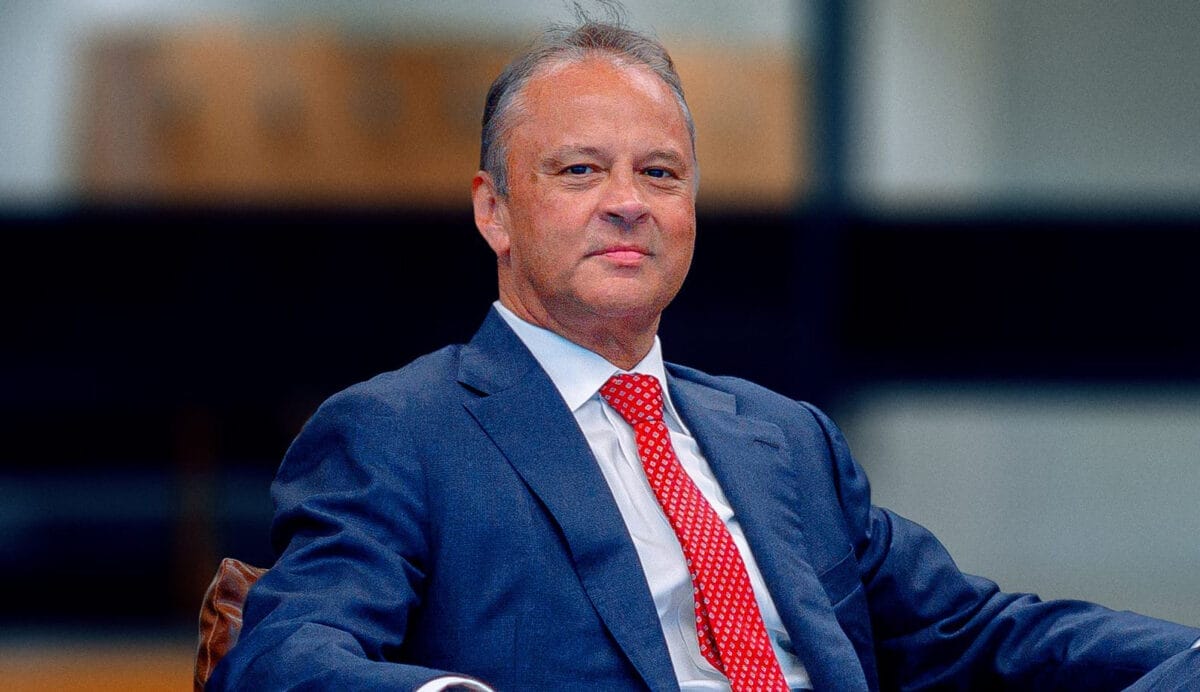
Axa Rosenberg’s managing director and head of investments for Australia, Doug Burton, said it had taken until 2006 for the firm to be sure that the information provided by emerging market companies was “sufficiently robust” for its earnings-focussed process to work. “We had to be sure that the earnings were rewarded and the fundamentals manifested themselves,” he said.
Burton added that more clients were demanding “truly global” global equities mandates, sensing that many of the best opportunities in the 21,000 companies covered by Axa Rosenberg laid outside the traditional ‘developed markets’ sphere. However he said that while in Europe the concept of pure global equity mandates had caught on, investors here still usually preferred “all country ex-Australia”.
Van Eyk has followed a similar instinct in its recent asset allocation overhaul, shifting the benchmark for its Blueprint international equities portfolio from the MSCI World to the FTSE All Cap Index.
Putnam’s Peter Walsh reported that growing numbers of Australian super funds considered the MSCI World a “large cap biased” index and that he had seen any one of a dozen more globalised alternatives floated as benchmarks for international equity mandates.















Leave a Comment
You must be logged in to post a comment.