

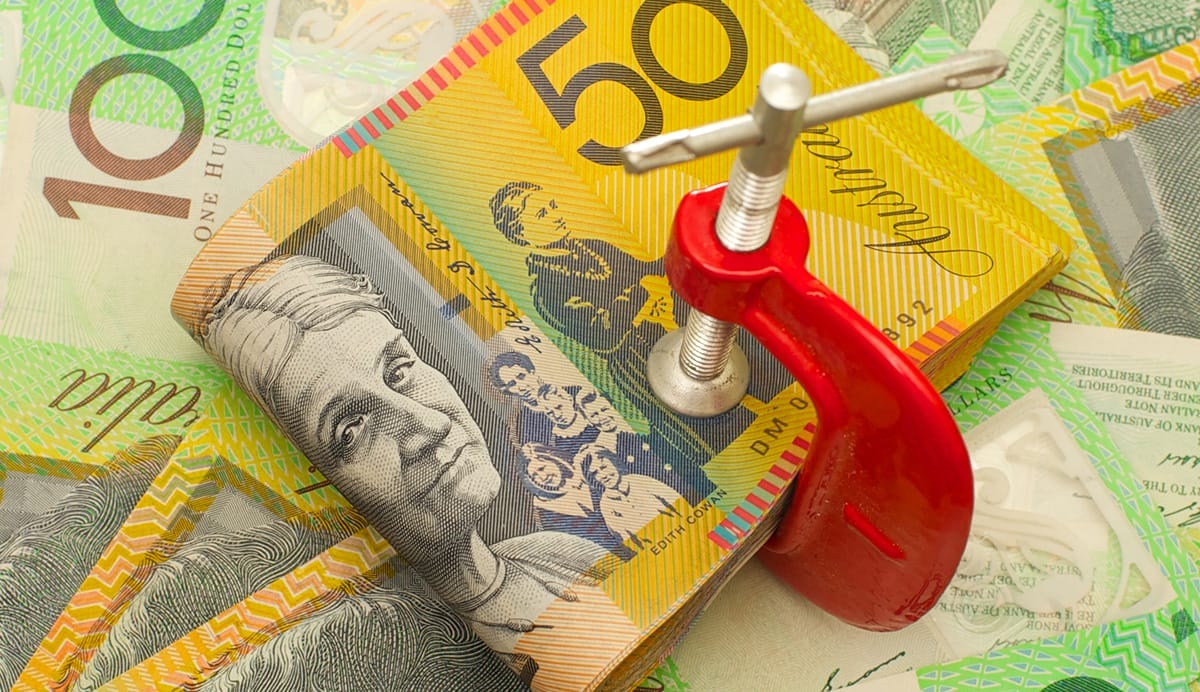
The spreads on trading costs in Australia rose more than any other Asian market over the past 12 months to October.
Data from ITG’s transaction cost team found that the median spread on trading costs rose from 22 basis points in October 2007, to 57 bps by October 2008, or by 162 per cent, the highest in Asia. Median trading costs also rose from 14 bps to 34 bps, or by 141 per cent, an increase second only to China (182 per cent). Michael Corcoran, director of sales and trading at ITG, says that the total ban on short selling, which reduced the liquidity in the market, was partly to blame.
He also suggests there may have been a lack of investor confidence in the large, cheaper brokerage desks, due to their unknown exposure to the financial crisis. There has been a “flight to quality” on the part of some institutions and hedge funds, who chose to execute more trades with agency-only brokers that were not exposed to the same organisational risks, he says.
Not only had spreads widened
and average trading costs increased across Asian markets, but there was an even
more significant increase in the standard deviation of trading costs. Volatile markets
tend to incur far higher cost ‘outlier’ trades, which can disproportionately erode
alpha, he says.















Leave a Comment
You must be logged in to post a comment.