

The Future Fund’s total assets under management fell to $73.07 billion as of December 31 compared with $73.18 billion as of September 30.
The Melbourne-based fund’s return in the six months to December 31 was minus 3.1 per cent.
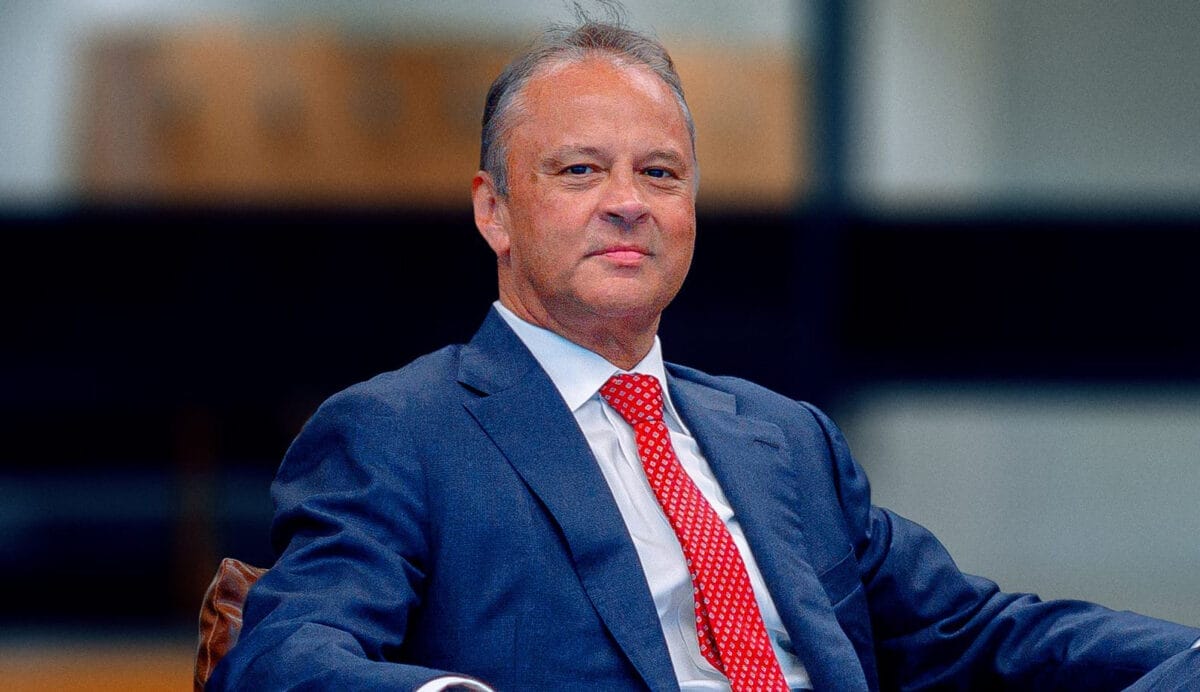
“Underlying pressures remain and Europe continues to wrestle with debt-related challenges and the risk of recession,” says David Murray, chair of the Future Fund Board of Guardians, in a statement.
“The prospect of a lengthy period of adjustment and subdued economic growth is generally apparent as signalled in global and domestic securities markets,” says Murray.
The Future Fund says in 2011 it made a 1.6 per cent return.
The fund was formed in 2006 to strengthen the Australian government’s financial position by making provisions for underfunded Commonwealth superannuation liabilities.
In the three months to December 31, the fund boosted its allocation to Australian stocks as a percentage of the fund’s assets to 10.8 per cent from 10.6 per cent as of September 30.
Global stock investments in so-called developed and so-called emerging markets were 20.8 per cent compared with 20.9 per cent.
Investments in private equity rose to 5.3 per cent as a percentage of the portfolio as of December 31 compared with 5 per cent as of September 30. Investments in property fell to 6 per cent from 6.3 per cent.
Infrastructure and timberland investments as a percentage of fund’s assets were 5.7 per cent as of December 31 compared with 5.6 per cent as of September 30. Debt securities investments dropped to 17.8 per cent from 19.2 per cent.
Alternative assets were 19.8 per cent of the portfolio as of December 30 compared with 21.6 per cent as of September 30. Cash was at 13.8 per cent compared with 10.8 per cent.














Leave a Comment
You must be logged in to post a comment.