


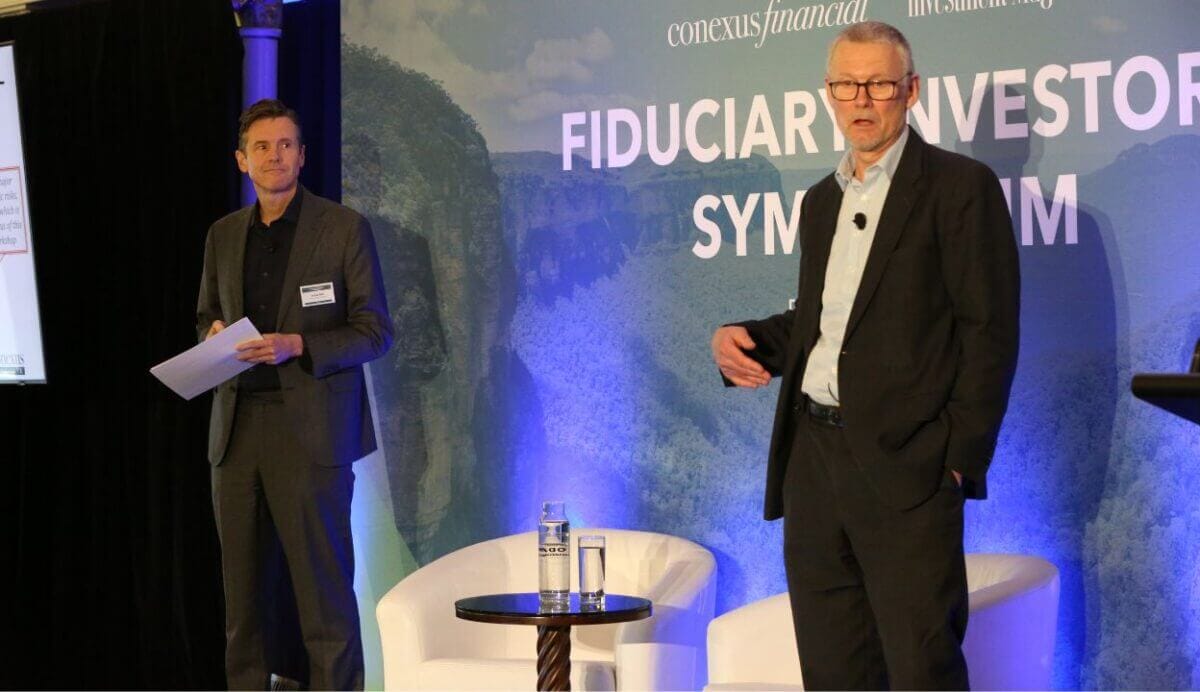
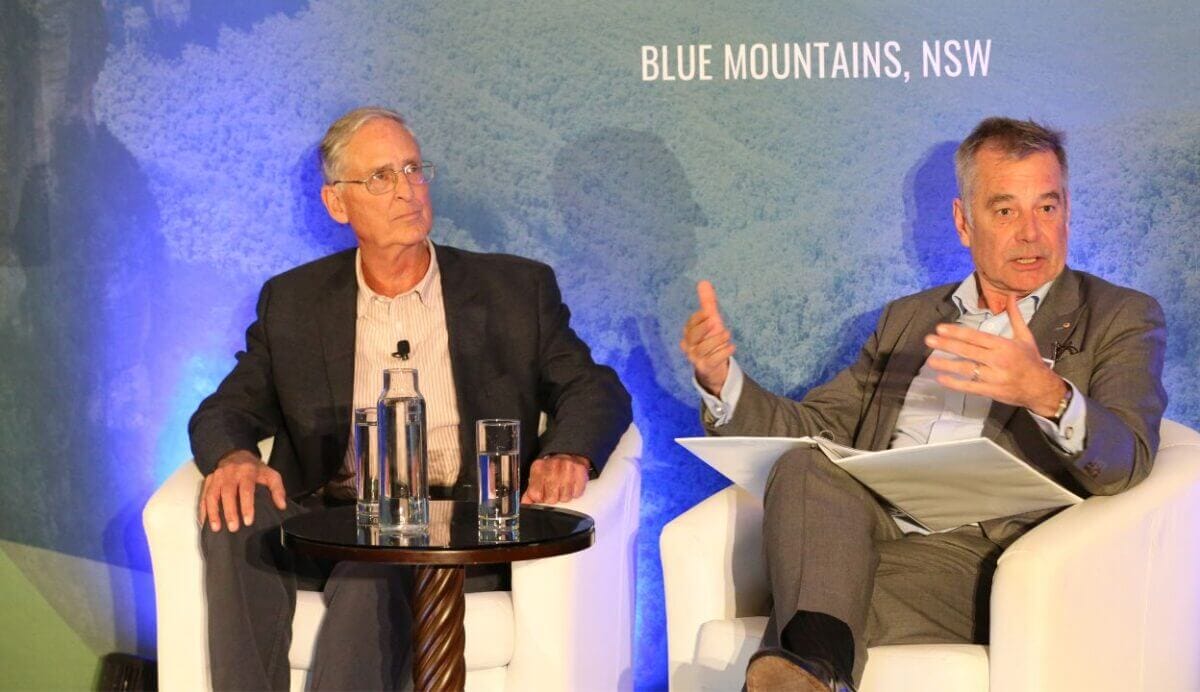
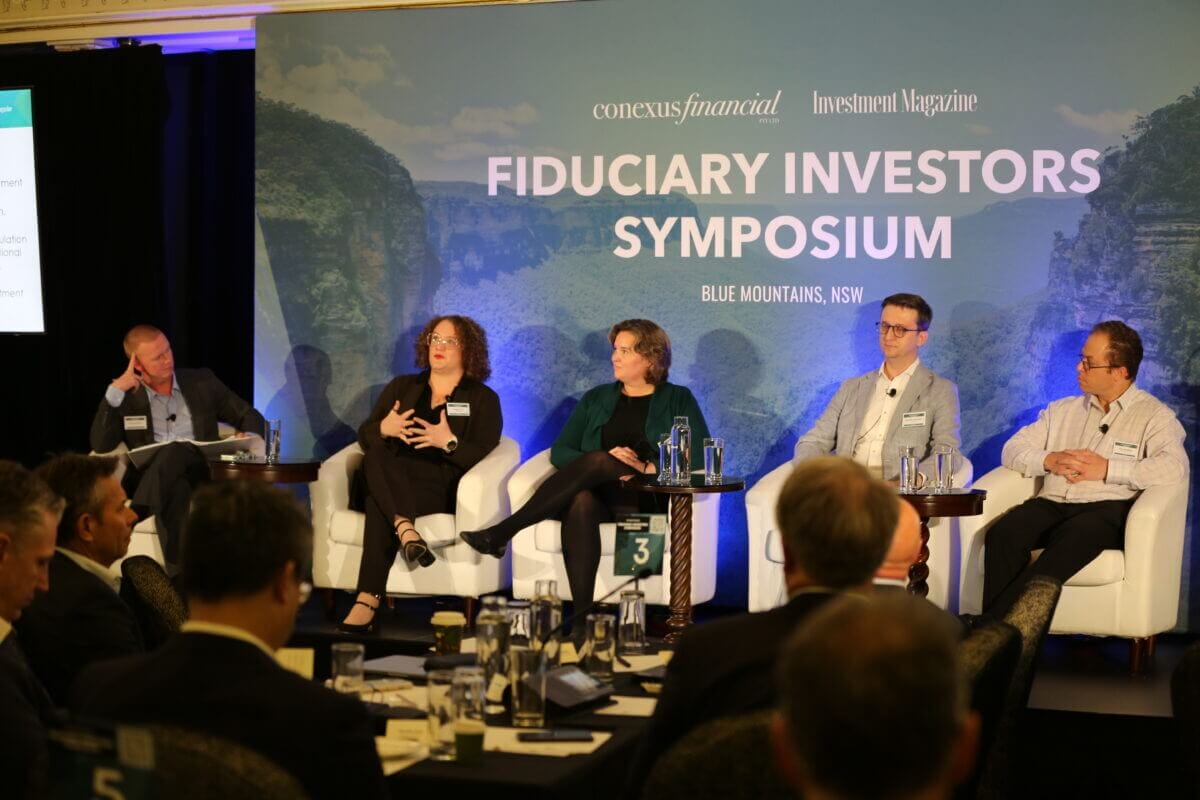
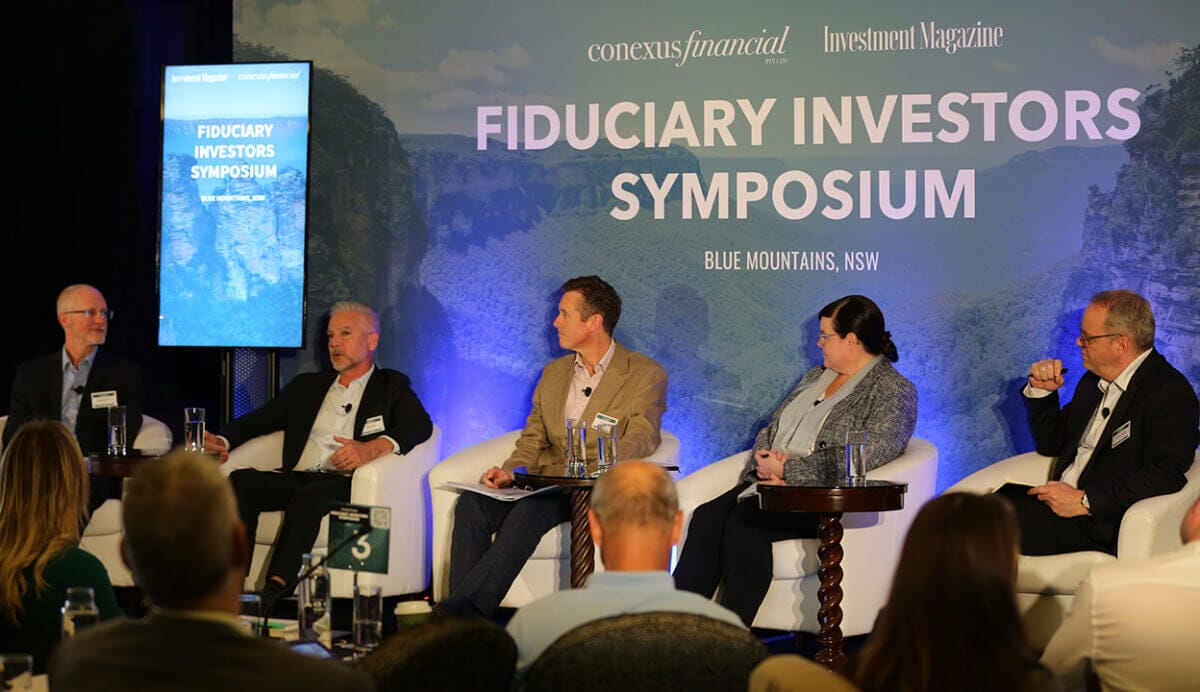
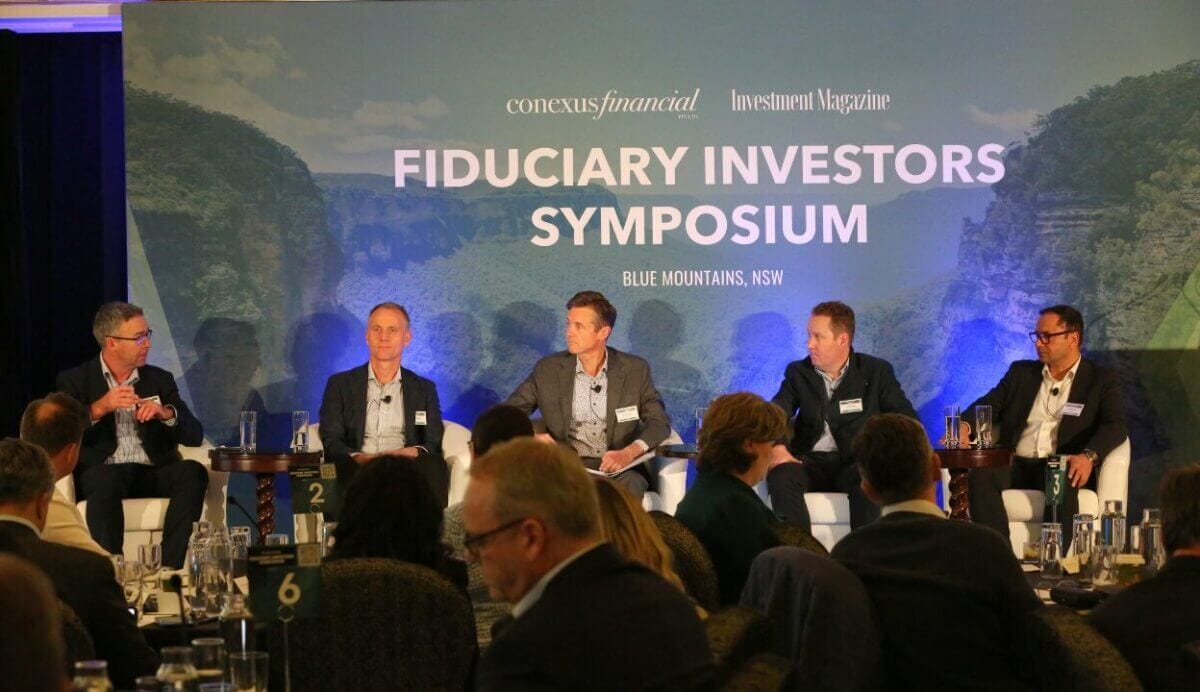
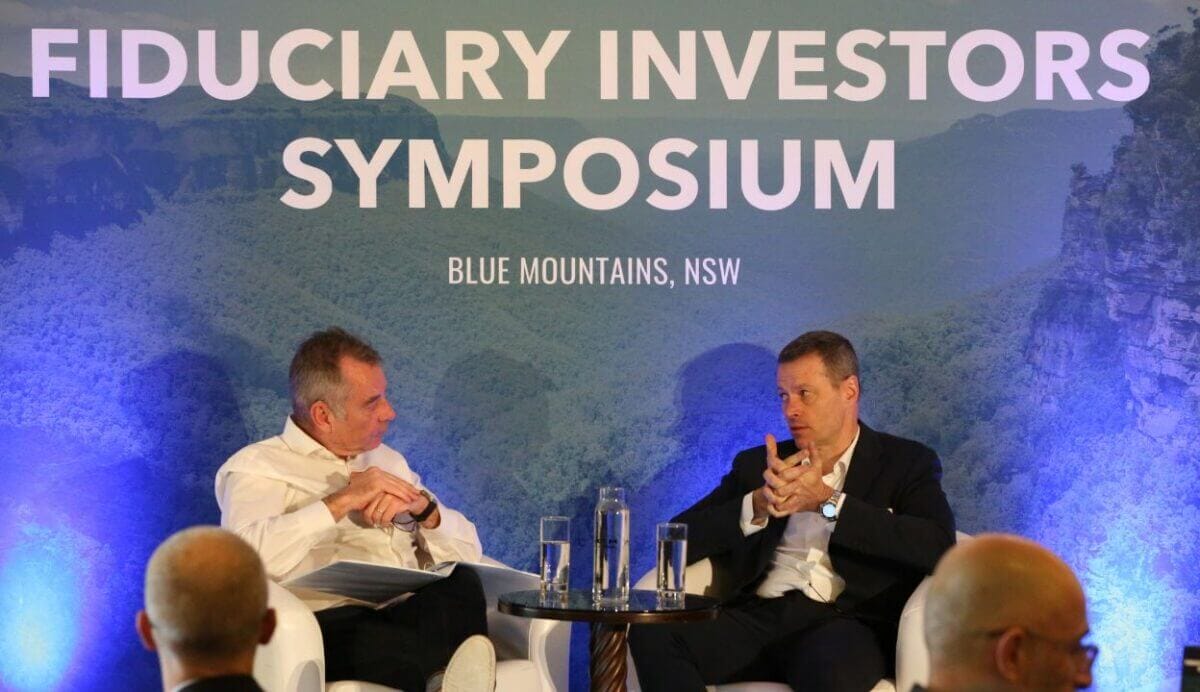
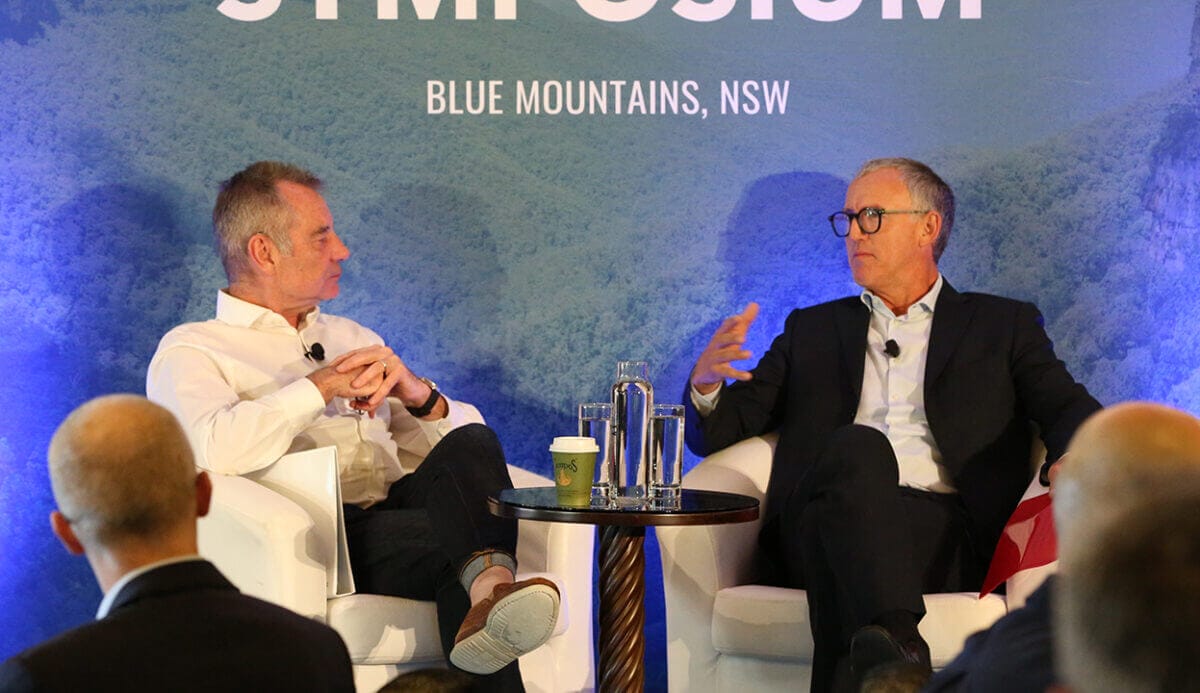
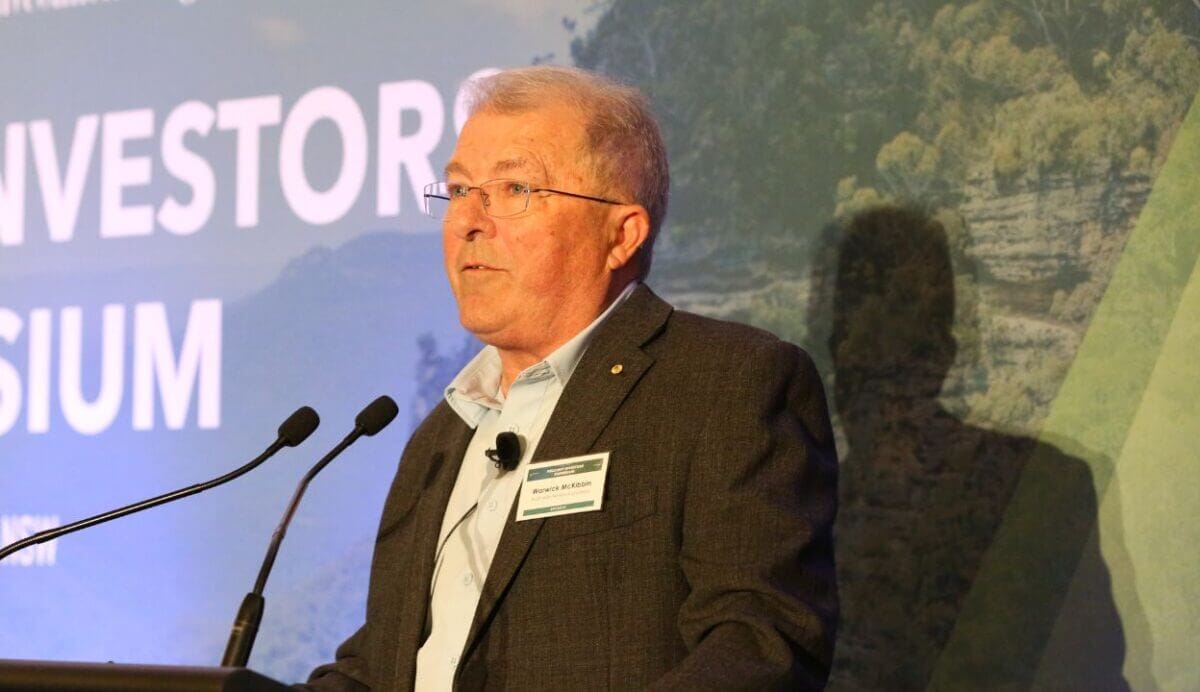
Fund suspensions and redemption queues in private credit products have attracted press coverage recently but will look considerably less significant within 12 to 24 months, the Investment Magazine Fiduciary Investors Symposium heard.
Ivan Zinn, head of alternative credit at Blue Owl Capital, told the symposium that, in a year or two, “we’re not going to be talking about this anymore”.
“We’d like to say a version of, ‘hey, there’s actually not much to see here’, but that’s not a fair answer,” Zinn said. “Now, that doesn’t mean it’s unimportant and shouldn’t be talked about. But my view is that this is truly much ado about nothing, mostly because the underlying performance of the asset classes generally has been fine.”
Zinn said it was incumbent upon asset managers to talk openly about the possibility of redemption queues or suspension because “institutional investors should be worried about… [a] manager having to do something that’s unnatural, [such as] are they going to have to sell this asset because they need liquidity over here?”
“I understand that fear. We would say that’s exactly why [gates] exist. The point of a gate is to make sure everyone gets treated fairly. Now, these are semi-liquid products – ‘semi’ being the first word there – but I do think it’s relevant. We’re going to keep having to talk about it and prove it.”
Zinn said that despite recent negative coverage and concerns over an emerging financial crisis, “I do think that a couple years from now, a year from now, we’re going to look back and say there really wasn’t a lot there, other than certainly a speed bump along the way.”
The broader trend was a continued blurring of public and private markets, driven partly by a reduction in the number of public issuers and partly by institutional demand for yield in markets where bond supply is shrinking.
Portfolio staple
While corporate direct lending has become a portfolio staple for most institutional investors, asset-based finance – where loans are secured against, or repaid from, the cash flows of specific assets – has not yet achieved that status and still needs to prove itself. Zinn said Blue Owl defined “asset-based” securities in their “simplest form”.
“There’s financial assets, which is consumer and small business and anything that’s a small-balance, shorter-dated, self-amortizing asset; that middle category, real assets, or hard assets, which would be things like residential finance, equipment leasing, hard assets, streams of cash flow backed by some kind of hard asset; and then that final category, really we bucket as ‘other’, it’s really a catch-all, everything from fund finance to litigation finance and other areas.”
Zinn said asset-based finance is both the oldest and the least tapped form of private credit, and the conditions driving its accelerating adoption are structural rather than cyclical.
“Asset-based finance has existed for a long time. In fact, it was the first form of finance in Mesopotamia 5000 years ago,” Zinn said. Corporate direct lending, by contrast, has only become a recognised asset class in the past two decades.
The more recent acceleration in institutional adoption had been driven largely by the Silicon Valley Bank crisis of 2023, which prompted a wave of bank retrenchment and opened up transaction sizes that had previously been inaccessible to private managers. Before that, Zinn said, Blue Owl had not completed a single billion-dollar transaction, but since then, they’ve become common.
Structurally distinct
Zinn said the investment case for asset-based securities rests not only on how much of the market remains in the hands of banks and traditional intermediaries, but also on characteristics that are structurally distinct from corporate credit.
“It’s how people buy at a point of sale. It’s how do small businesses finance themselves, it’s how does an Amazon package get delivered. All those types of transactions involve financing. Whether you see it or it’s hiding in plain sight, is a different question. But ultimately, that’s what we’ve really gone to in terms of describing what we do: ‘financing Main Street’, as opposed to corporate direct lending [or] ‘financing Wall Street’,” Zinn said.
Roughly US$50 billion ($77 billion) has been raised across asset-based finance strategies over the past year, across consumer and small business lending, residential finance, equipment leasing, fund finance, litigation finance and other categories, Zinn said.
That figure addressed a market he estimated to be worth US$13 trillion, meaning asset managers have captured roughly 4 per cent of the total, compared with 15 to 20 per cent in corporate direct lending.
Zinn said institutional uptake would happen faster than it had for corporate direct lending, partly because financial markets are now more efficient at accelerating the development of successor strategies.
“It’s very fair to think that asset-based finance will grow meaningfully, because it’ll take its position in that it’ll be 2 to 3 per cent of people’s portfolios going forward.
“The market adoption is going to continue to be there.”









Leave a Comment
You must be logged in to post a comment.